Source Overhead Stranded Low Voltage Cable for Power Stations, Construction, Underground
Find 30 verified options for Overhead Stranded Low Voltage Cable suitable for power stations, construction sites, and underground installations. Buyers can compare specifications, certifications, and pricing to select the right solution for their electrical infrastructure needs.
Key considerations
Products List


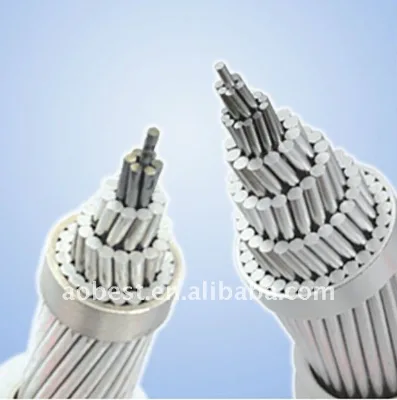


Low Voltage Aluminium Conductor AAC/ABC Cable Aerial Bundle Cable Overhead Cable
$0.60 - $0.80
MOQ: 1000 Meters


Comprehensive Sourcing Guide
Strategic Sourcing Guide for Overhead Stranded Low Voltage Cable
Understanding Technical Specifications and Core Attributes
When sourcing Overhead Stranded Low Voltage Cable, buyers must first establish a precise understanding of the physical and electrical characteristics that define the product. The core component of these cables is the conductor, which is typically manufactured from stranded copper or aluminum wire. The stranded configuration is critical for overhead applications, as it provides the necessary flexibility to withstand mechanical tension and wind loads without fracturing. The conductor material directly influences conductivity and weight; while copper offers superior conductivity, aluminum is frequently utilized for overhead lines due to its lighter weight and cost-effectiveness.
The insulation and sheath materials are equally vital for performance in outdoor environments. The supplied data indicates that XLPE (Cross-Linked Polyethylene) is a primary insulation material, offering excellent thermal stability and resistance to environmental stress. However, PVC (Polyvinyl Chloride) and PE (Polyethylene) are also observed as insulation options depending on the specific voltage rating and application requirements. The sheath material often utilizes PVC to provide an additional layer of protection against moisture, UV radiation, and mechanical abrasion. For overhead applications, the cable structure often includes a semiconductive screen to ensure uniform electric field distribution, which is essential for preventing partial discharge and insulation breakdown.
Voltage ratings for these cables span a broad spectrum, covering low, medium, and in some configurations, high voltage requirements. Specific rated voltages observed in the market include 0.6/1kV, 11kV, 22kV, and 35kV. The ability to handle both DC and AC currents is a standard attribute, making these cables versatile for various power distribution networks. The physical shape of the wire is consistently round, and the cable may be available in single, duplex, triplex, or quadruplex core configurations. This flexibility in core arrangement allows suppliers to tailor the product to specific grid layouts, such as the ABC (Air Insulated Cable) style, which is explicitly mentioned in product specifications.
Compliance and Certification Verification
Navigating the complex landscape of international standards and certifications is a fundamental step in the procurement process. Buyers must verify that the supplier's products adhere to recognized global and regional standards. The observed standards for these cables include IEC, BS, DIN, ASTM, NFC, GB, and NBR. Specific product standards such as NFC 33209 and various SIP (Self-Supporting Insulated Power) classifications like SIP2, SIP4, and SIP6 are relevant for overhead insulated cables. Compliance with these standards ensures that the cable meets minimum safety and performance benchmarks for electrical conductivity, insulation integrity, and mechanical strength.
Certification marks serve as a third-party validation of quality and safety. The data highlights several key certifications that buyers should look for, including CCC (China Compulsory Certification), CE (Conformité Européenne), ISO (International Organization for Standardization), RoHS (Restriction of Hazardous Substances), UL (Underwriters Laboratories), and VDE (Verband der Elektrotechnik). The presence of these certifications indicates that the manufacturing facility has undergone rigorous auditing and that the product has been tested against specific safety criteria. It is important to note that while these certifications are listed as available attributes, buyers must request specific test reports and certificates of conformity for the exact batch of cables being purchased to ensure they are not merely generic claims.
Cost Drivers and Pricing Dynamics
The pricing of Overhead Stranded Low Voltage Cable is influenced by a complex interplay of raw material costs, manufacturing complexity, and order volume. The primary cost driver is the conductor material; fluctuations in the global market prices of copper and aluminum directly impact the final unit cost. Additionally, the type of insulation material, such as XLPE versus PVC, affects the price, with XLPE generally commanding a premium due to its superior thermal and mechanical properties. The complexity of the cable construction, including the presence of armoring (such as copper tape) or specific semiconductive screens, also adds to the manufacturing cost.
Order volume plays a significant role in determining the final price per unit. The observed Minimum Order Quantity (MOQ) ranges from 1 to 10,000 units, indicating that suppliers are willing to accommodate both small trial orders and large-scale industrial projects. However, larger orders typically benefit from economies of scale, resulting in a lower price per meter. The customization level is another critical factor; standard products like the "Normal Type" may be priced differently than customized variants, which require specific adjustments to dimensions, colors, or packaging. Buyers should also consider the lead time implications, as expedited delivery often incurs additional costs. The observed delivery times range from 10 to 25 days after prepayment, but customized orders may require longer production windows, potentially affecting the overall procurement budget.
Typical Applications and Installation Environments
Overhead stranded low voltage cables are designed for a diverse range of applications, primarily in power distribution and construction sectors. The data identifies key application areas including power stations, overhead lines, and general construction projects. These cables are particularly suited for overhead installations where flexibility and resistance to environmental factors are paramount. The ability to withstand tension and varying weather conditions makes them ideal for rural electrification, urban distribution networks, and industrial power supply lines.
The specific configuration of the cable, such as the triplex or quadruplex design, is often selected based on the voltage distribution requirements of the target site. For instance, triplex cables are commonly used in residential areas for three-phase power distribution, while quadruplex cables may be employed where a neutral conductor is required. The cables are also noted for their suitability in underground applications, although the primary focus for this specific keyword is overhead use. The export destinations, including the Philippines, Yemen, Vietnam, Indonesia, and South America, suggest that these cables are engineered to perform in tropical and subtropical climates, which often involve high humidity, salt spray, and intense UV exposure. Buyers should ensure that the selected cable's insulation and sheath materials are rated for the specific environmental conditions of the installation site.
Supplier Evaluation and Operational Capabilities
Selecting a reliable supplier requires a thorough evaluation of their operational capabilities, including production capacity, quality control systems, and logistical support. The origin of the products is a significant indicator of supply chain stability, with Henan, China, identified as a primary production hub. Buyers should verify the supplier's ability to meet the specific standards required by their local market, such as NFC in France or BS in the UK. The supplier's willingness to offer OEM (Original Equipment Manufacturer) services is also a valuable asset, allowing for branding and specification customization.
Logistical considerations, such as packaging and shipping, are critical for preventing damage during transit. The observed packaging options include wooden drums, wooden-steel drums, and custom requirements, which are essential for protecting the cable coils from deformation. The lead time for delivery is another key metric; while standard delivery times are reported as 15-25 days, customized orders may take longer. Buyers should also assess the supplier's responsiveness to sample requests, as the availability of free samples allows for physical verification of product quality before committing to a large order. The supplier's track record in exporting to specific regions, such as Southeast Asia and the Middle East, can serve as a proxy for their experience with international logistics and compliance requirements.
Quality Control and Long-Term Procurement Strategy
Ensuring long-term reliability requires a robust quality control strategy that extends beyond the initial purchase. Buyers should insist on a "100% Qualified" warranty, which implies that every unit produced has passed rigorous testing protocols. The inspection process should cover conductor resistance, insulation thickness, and mechanical strength tests. The use of high-quality materials, such as bare copper wire for conductors and XLPE for insulation, is a baseline requirement for ensuring the cable's longevity and performance.
Long-term procurement considerations also involve establishing a relationship with a supplier who can provide consistent quality over time. This includes verifying that the supplier maintains their certification status and adheres to the same standards for subsequent orders. The ability to provide detailed test results and compliance documentation for each batch is essential for maintaining regulatory compliance in the buyer's region. Furthermore, buyers should consider the total cost of ownership, which includes not only the purchase price but also the maintenance and replacement costs over the cable's lifespan. Selecting a cable with superior insulation and sheath materials may result in a higher initial cost but can significantly reduce long-term operational expenses by minimizing failures and downtime.
Comparative Analysis of Cable Configurations
To assist buyers in making informed decisions, the following table compares common configurations of overhead stranded low voltage cables based on the observed product attributes. This comparison highlights the differences in conductor material, insulation, and voltage ratings to guide the selection process.
| Feature | Configuration A (Copper Core) | Configuration B (Aluminum Core) | Configuration C (ABC Cable) |
|---|---|---|---|
| Conductor Material | Bare Copper Wire | Aluminum | Aluminum (Stranded) |
| Insulation Material | XLPE, PVC, or PE | XLPE or PE | XLPE or PE |
| Voltage Rating | Low, Medium, High | Low, Medium, High | Low, Medium, High |
| Core Structure | Single, Duplex, Triplex | Single, Duplex, Triplex | Triplex, Quadruplex |
| Sheath Material | PVC | PVC | PVC |
| Armoring | Copper Tape | Copper Tape | None (Self-supporting) |
| Standard Compliance | BS, IEC, ASTM, GB | NFC, BS, DIN, ASTM | NFC 33209, SIP2/SIP4 |
| Typical Application | General Power, Underground | Overhead, Construction | Overhead Distribution |
This table illustrates that while copper offers superior conductivity, aluminum is often preferred for overhead applications due to weight savings. The ABC (Air Insulated Cable) configuration is specifically designed for overhead use, eliminating the need for a separate messenger wire. Buyers should select the configuration that best aligns with their specific voltage requirements, environmental conditions, and budget constraints. By carefully evaluating these factors, procurement professionals can ensure the selection of a cable that delivers optimal performance and reliability for their infrastructure projects.
FAQs
What certifications are available for overhead stranded low voltage cables?
Available certifications include CCC, CE, ISO, RoHS, UL, and VDE. Buyers must verify specific test reports for the exact batch purchased to ensure compliance with local safety standards and regulatory requirements.
Which insulation materials are used for these cables?
Primary insulation materials observed are XLPE, PVC, and PE. XLPE offers superior thermal stability, while PVC provides moisture resistance, and the choice depends on specific voltage ratings and environmental conditions.
Can buyers request free samples before placing a large order?
Yes, free samples are available for product verification. This allows buyers to physically inspect quality and specifications before committing to larger procurement volumes or customized production runs.
What is the typical delivery time for standard orders?
Standard delivery times range from 10 to 25 days after receiving prepayment. Customized orders may require longer production windows, so buyers should confirm lead times based on their specific requirements.
Which countries are the primary export destinations for these cables?
Key export markets include the Philippines, Yemen, Vietnam, Indonesia, and South America. These regions often require cables engineered for tropical climates with high humidity and intense UV exposure.
What voltage ratings are supported by these overhead cables?
Supported rated voltages include 0.6/1kV, 11kV, 22kV, and 35kV. These cables handle both DC and AC currents, making them versatile for various power distribution networks and grid layouts.
What packaging options are provided for shipping the cables?
Packaging options include wooden drums, wooden-steel drums, and custom requirements. These methods protect cable coils from deformation during transit and ensure safe delivery to international destinations.