Source PCB AA Battery Holder for Tablets, Laptops, and General Devices
Explore 30 listings for the PCB AA Battery Holder, comparing options from suppliers in Ningbo and Guangdong. Buyers can evaluate specifications like charging types, compatible battery sizes, and certifications such as CE and UL to find the right component for their projects.
Key considerations
Products List








Comprehensive Sourcing Guide
Strategic Sourcing Guide for PCB AA Battery Holders
Understanding Technical Specifications and Variability
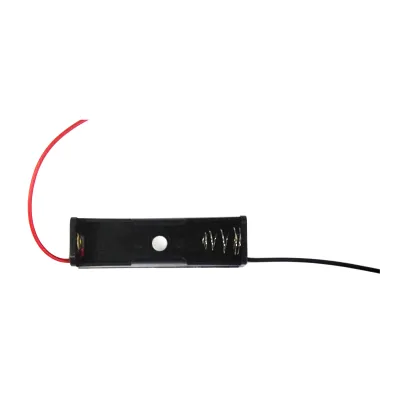
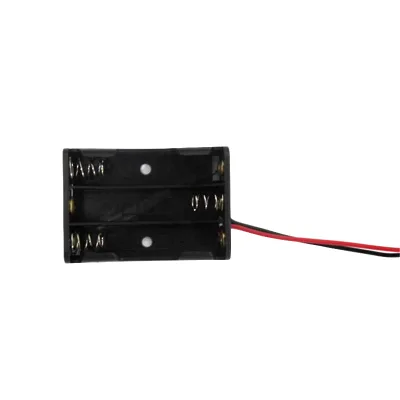
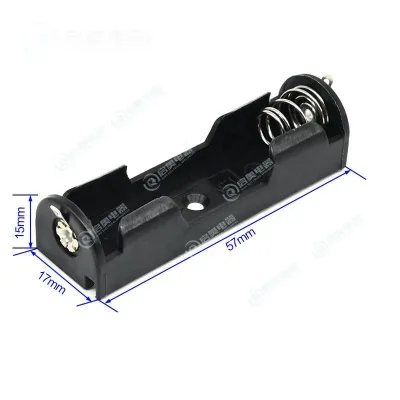
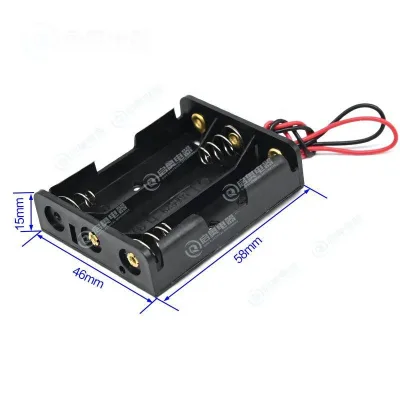
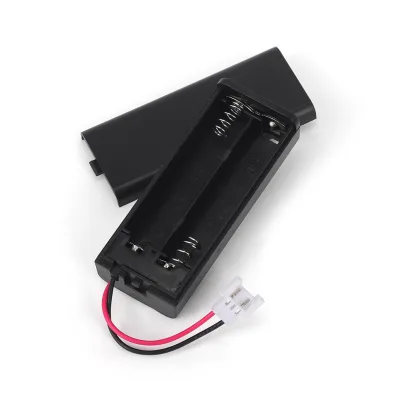
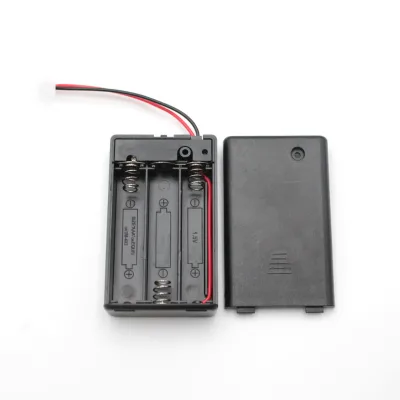
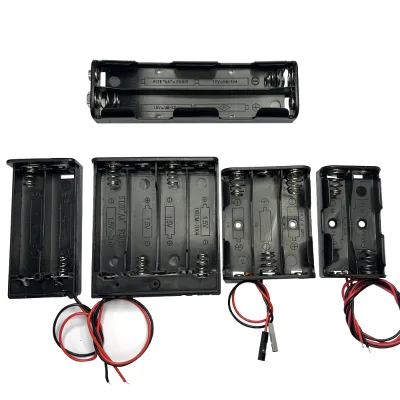
When sourcing a PCB AA Battery Holder, buyers must first navigate a landscape defined by significant technical variability. The core keyword "PCB AA Battery Holder" suggests a component designed to integrate battery power directly into a printed circuit board assembly, yet the available market data reveals a complex array of configurations that do not always align with a single definition. In the observed product data, specific model numbers such as FBCB1147, FBCB1150, and FBCB1144 are associated with distinct attributes. While some entries explicitly list "AA Size Battery Holder" or "3 Slots Battery Cell Holder" with a material composition of plastic, others describe the same category under different functional names like "Lithium Ion Battery Charger" or "Lithium Battery."
This discrepancy highlights a critical procurement challenge: the term "battery holder" in B2B listings often conflates with "battery charger" or "battery management" units. A buyer seeking a passive mechanical component to hold AA cells on a PCB must rigorously filter for the specific functional application. The data indicates that some units are designed for specific voltages, such as 1.2V or 12V, and are compatible with battery types ranging from AAA/AA to 6-Volt and Li-Polymer. The physical housing material is another key differentiator; while some holders are constructed from plastic for general-purpose use, others utilize brass for the housing material, which may imply different conductivity or durability requirements.
Furthermore, the charging principle varies significantly across the observed inventory. Some units utilize a Half-Bridge Charger principle, while others are described simply as Electric Chargers or USB Chargers. This suggests that a single SKU might represent a complete charging module rather than a passive holder. Procurement teams must verify whether the component is a passive connector or an active charging circuit. The presence of a "Timer Charger" style in the data further complicates the specification, indicating that some units include timing logic for charging cycles. Therefore, the initial technical review must distinguish between a mechanical cell holder and an integrated charging solution, ensuring the selected model number matches the exact electrical and mechanical needs of the final assembly.
Compliance, Certification, and Regional Standards
Navigating the compliance landscape is essential for global B2B procurement, particularly when dealing with electronic components that interact with power sources. The observed product data presents a robust list of certifications, including CE, UL, CB, TUV, RoHS, CTIA, PSE, KC, GOST-R, and SASO. These certifications indicate that the supply base is capable of meeting diverse international regulatory requirements. However, the presence of these certifications in the data does not guarantee that every single unit in a specific order will possess them; buyers must verify the certification status for the specific batch or model number being purchased.
The data also highlights specific regional standards. For instance, the "For Italy" and "For Brazil" socket types suggest that the charging components are designed to meet local electrical plug standards, which is a critical consideration for products intended for export. The "ROHS" standard is explicitly mentioned, indicating compliance with restrictions on hazardous substances, a baseline requirement for most electronics markets. Additionally, the "GOST-R" certification points to compliance with Russian standards, while "SASO" indicates adherence to Saudi Arabian regulations.
Buyers must exercise caution when interpreting these certifications. The data shows that some models list a subset of certifications (e.g., CB, TUV, GOST-R, SASO) while others list a more comprehensive set. This variability suggests that certification is often model-specific or batch-specific. A procurement strategy should include a request for valid, current test reports for the specific model number to confirm that the product meets the regulatory requirements of the destination market. Relying on a general list of certifications without verifying the specific model's compliance can lead to customs delays or market rejection. Furthermore, the "Place of Origin" varies between Ningbo and Guangdong, China, which may influence the specific regulatory pathways and inspection protocols required for import into different regions.
Cost Drivers and Pricing Dynamics
The pricing structure for PCB AA battery holders is influenced by several factors, including material composition, certification breadth, and order volume. The observed price range in the market data is extremely narrow, listed between 0.01 and 1 USD. This suggests a highly competitive market with low unit costs, likely driven by economies of scale in manufacturing. However, this low price point should be viewed as a baseline for the component itself, excluding shipping, tariffs, or custom tooling fees.
Material costs are a primary driver of price variation. The data indicates that some holders are made of plastic, while others use brass. Brass components typically incur higher material costs and may command a premium over plastic alternatives, especially if the application requires higher conductivity or mechanical strength. The "Standard Export Carton" packing method is consistent across the data, but the internal packaging and protection mechanisms can vary, affecting the final landed cost.
Order volume plays a significant role in the final unit price. The observed Minimum Order Quantity (MOQ) ranges from 1 to 5000 units. While some suppliers offer single-item selling units, larger orders likely benefit from volume discounts not explicitly detailed in the base price range. The "MOQ: 10PCS" specification for certain models suggests that small-batch procurement is possible, but buyers should be aware that unit prices may be higher for these smaller quantities. Additionally, the "Delivery Detail" of 15 days indicates a standard lead time, but expedited shipping options or custom manufacturing requests could increase costs. Buyers should also consider the payment terms, which include methods like Paypal, TT, Western Union, and Trade Assurance, as the choice of payment method can sometimes influence the negotiated price or add transaction fees.
Typical Applications and Functional Integration
The functional application of PCB AA battery holders is diverse, spanning from consumer electronics to industrial devices. The data explicitly lists applications for Tablets and Laptops, indicating that these components are used in portable computing devices where reliable power management is critical. The "General Purpose" functional application suggests versatility, allowing these holders to be integrated into a wide range of products beyond just computing devices.
The compatibility with various battery types, including AAA, AA, 6-Volt, and Li-Polymer, further expands the potential application scope. For instance, a holder designed for 1.2V AA batteries is ideal for low-power consumer electronics, while a 12V system might be used in automotive or industrial control panels. The "Timer Charger" style and "USB Charger" style attributes suggest that these components are often part of a larger power management system, providing not just mechanical support but also charging functionality.
When selecting a holder for a specific application, buyers must consider the environmental conditions. The "Recyclable" attribute varies, with some products marked as "Non-Recyclable" and others as "Recyclable." This distinction is crucial for companies with sustainability goals or those operating in markets with strict waste disposal regulations. The "Solar Charger" attribute in the data points to applications in off-grid or renewable energy systems, where the battery holder must integrate with solar charging modules. Understanding the specific power requirements and environmental constraints of the target application is essential for selecting the correct model number and ensuring long-term reliability.
Supplier Evaluation and Verification Protocols
Evaluating suppliers for PCB AA battery holders requires a rigorous approach to verify their capabilities and reliability. The data indicates that the brand name "Fbele" is associated with several models, but other entries list "original" as the brand, suggesting a mix of branded and generic or white-label products. Buyers should prioritize suppliers who can provide clear documentation linking the specific model number to the brand and its associated certifications.
The "Place of Origin" is listed as Ningbo and Guangdong, China, which are major manufacturing hubs. However, the presence of multiple origins suggests that buyers should not assume a single factory produces all listed models. It is advisable to request the specific factory location and audit reports to ensure the supplier has the necessary quality control infrastructure. The "Shipping by" options, including DHL, UPS, FedEx, EMS, and HK Post, indicate that suppliers have established logistics networks, but buyers should verify the reliability of these carriers for their specific destination.
Verification protocols should include requesting samples for physical inspection and electrical testing. Given the variability in specifications, such as the difference between "AA Size Battery Holder" and "Lithium Ion Battery Charger," physical samples are essential to confirm that the component meets the mechanical and electrical requirements. Buyers should also verify the "Customization" availability, as the data indicates that customization is available. This is a significant advantage for buyers with unique design requirements, but it requires clear communication of specifications to avoid production errors.
Quality Control and Long-Term Procurement Strategy
Implementing a robust quality control (QC) strategy is vital for maintaining product integrity in the supply chain. The data shows a mix of certifications and standards, but the "Recyclable" status varies, which can impact end-of-life compliance. Buyers should establish a QC protocol that includes incoming inspection of materials, such as verifying the plastic or brass housing quality, and electrical testing to ensure the charging principles (e.g., Half-Bridge) function as specified.
Long-term procurement considerations should focus on supply chain resilience and consistency. The "Delivery Detail" of 15 days is a standard lead time, but buyers should plan for potential delays, especially if customizations are required. The "Standard Export Carton" packing is a good baseline, but for sensitive electronic components, additional protective measures might be necessary. Buyers should also consider the "Selling Units" of single items versus bulk orders, as this affects inventory management and storage costs.
To ensure long-term success, buyers should build a relationship with suppliers who offer consistent quality and transparent communication. The availability of "Trade Assurance" as a payment method provides a layer of financial security, but it should be complemented by regular supplier audits and performance reviews. By focusing on these strategic elements, buyers can mitigate risks and ensure a steady supply of high-quality PCB AA battery holders for their manufacturing needs.
Comparative Analysis of Key Product Attributes
| Attribute | Observation 1 | Observation 2 | Observation 3 |
|---|---|---|---|
| Model Number | FBCB1147 | FBCB1150 | FBCB1144 |
| Battery Type | Lithium Ion / AAA/AA | Lithium Battery / AA | Lithium Battery / 6-Volt |
| Nominal Voltage | 1.2V | 12V | 1.2V |
| Charger Style | USB Charger | Timer Charger | Electric Charger |
| Material | Plastic | Plastic | Brass (Housing) |
| Certification | CE, UL, CB, TUV, RoHS | CB, TUV, GOST-R, SASO | CB, TUV, GOST-R, SASO |
| Origin | Ningbo | Guangdong, China | Guangdong, China |
| Recyclable | Non-Recyclable | Recyclable | Recyclable |
| Socket Type | For Italy | For Brazil | Standard/Not Specified |
This table summarizes the significant variations found in the market data. It underscores the necessity for buyers to specify their exact requirements rather than relying on generic keywords. The differences in voltage, material, and certification highlight that a "one-size-fits-all" approach is ineffective in this category.
Final Procurement Recommendations
In conclusion, sourcing PCB AA battery holders requires a meticulous approach that balances technical specifications, regulatory compliance, and cost efficiency. The market data reveals a complex ecosystem where mechanical holders, charging circuits, and battery management systems often overlap. Buyers must prioritize clear communication of their specific needs, including voltage requirements, battery compatibility, and certification standards. By leveraging the available customization options and conducting thorough supplier evaluations, buyers can secure a reliable supply chain that meets their production demands. The narrow price range and diverse certifications suggest a mature market, but the variability in product attributes necessitates a disciplined procurement process to avoid mismatches and ensure product quality.
FAQs
What certifications are available for these battery holders?
Available certifications include CE, UL, CB, TUV, RoHS, CTIA, PSE, KC, GOST-R, and SASO. Buyers must verify that the specific model number ordered carries the required certification for their target market, as not every unit in a batch may possess the full list.
Can I customize the product specifications for my needs?
Customization is available for these battery holders and chargers. Buyers should communicate specific requirements clearly to the supplier to ensure the final product meets their unique design and functional needs without causing production errors.
What is the standard delivery lead time for orders?
The standard delivery detail is 15 days for most orders. Expedited shipping or custom manufacturing requests may alter this timeline, so buyers should confirm the exact lead time before finalizing their procurement schedule.
Which battery types are compatible with these holders?
Compatible battery types include AAA, AA, 6-Volt, and Li-Polymer batteries. The nominal voltage varies between 1.2V and 12V depending on the specific model, so users must select the correct unit for their device's power requirements.
How does the MOQ vary for different models?
The minimum order quantity ranges from 1 to 5000 units depending on the supplier and specific model. Some models have a specific MOQ of 10 pieces, while others allow single-item purchases, affecting the initial investment required.
Where are these products manufactured and shipped from?
Products originate from Ningbo and Guangdong, China, and are shipped via DHL, UPS, FedEx, EMS, or HK Post. Buyers should verify the specific place of origin for their order to understand applicable import regulations and shipping costs.
What materials are used for the housing of these holders?
Housing materials include plastic for general-purpose use and brass for specific applications requiring higher durability. The material choice impacts conductivity and mechanical strength, so buyers must select the option that fits their environmental conditions.