Source Plain Weaving Fiberglass Insect Screen for Windows Doors Apartments
Compare 30 listings of Plain Weaving Fiberglass Insect Screen from verified suppliers. Buyers can evaluate mesh sizes, colors, certifications, and pricing for residential windows, doors, and apartment applications.
Key considerations
Products List
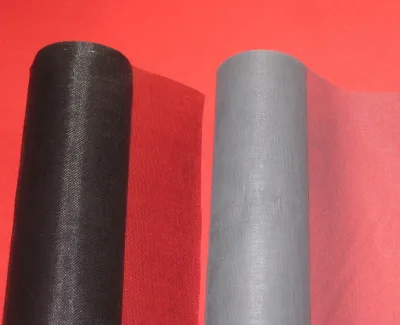

$0.39 - $0.43
MOQ: 5000 Square Meters


Anti-Mosquito Waterproof Fiberglass Fly Screen Plain Mesh Fiberglass Insect Screen
$0.10 - $0.50
MOQ: 2000 Square Meters

Factory PVC Mosquito Net / Insect Screen Fiberglass Fabric Insect Screen
$0.10 - $0.50
MOQ: 2000 Square Meters


China Leading Manufacturer of Fiberglass Window Insect Screen Mosquito Screen
$0.22 - $0.34
MOQ: 2000 Square Meters

High-Quality Fiberglass Insect Mesh Screen for Home Improvement Project
$0.22 - $0.34
MOQ: 2000 Square Meters


Insect Plain Wave Polyester Fiberglass Twist Weaving Plain Wave Window Screen
$0.21 - $0.31
MOQ: 1000 Square Meters


Plain Weaving Insect Resistant Durable Fiberglass Mosquito Net Screen/Insect Screen Net
$0.30 - $0.60
MOQ: 30000 Square Meters

110g Fiberglass Mosquito Screening for Windows, Fiberglass Fly Screen Mesh
$0.30 - $0.60
MOQ: 30000 Square Meters

Fire Resist 18× 16 Mesh Grey Color Fiberglass Insect Screen for Window and Door
$0.30 - $0.60
MOQ: 30000 Square Meters

Fire Resistant Anti Mosquito Net, Fiberglass Insect Screen Mesh
$0.30 - $0.60
MOQ: 30000 Square Meters
Comprehensive Sourcing Guide
Strategic Sourcing Guide for Plain Weaving Fiberglass Insect Screen
Understanding the Core Product Architecture and Technical Specifications
When sourcing Plain Weaving Fiberglass Insect Screen, buyers must first establish a precise understanding of the product's fundamental architecture. The core material is fiberglass, a composite known for its balance of tensile strength and flexibility. The defining characteristic of this specific product category is the plain weave structure, where each warp thread passes alternately over and under each weft thread. This configuration creates a stable, uniform grid that resists distortion under tension, making it ideal for window and door applications.
The technical specifications for these screens vary significantly based on the intended application and regional standards. A critical observation from the market data indicates that mesh sizes are not uniform; common configurations include 18x16, 16x16, 18x14, 14x14, 18x18, 20x20, and 22 mesh counts. The specific mesh dimension directly correlates with the size of the insect the screen can block while maintaining airflow. For instance, a 18x16 mesh offers a different balance of visibility and protection compared to a 20x20 mesh.
Dimensions are another vital specification. While some listings indicate a standard length of 30 meters per roll, other data points suggest a broader range of 30 meters to 300 meters per roll. The width of the material is equally variable, with observed ranges spanning from 0.5 meters to 3.0 meters. Buyers must verify the exact width and length requirements for their specific project, as customization is frequently available. The single package size often measures approximately 12x12x1 cm for individual units, though bulk packaging typically involves plastic film combined with woven bags or cartons. The single gross weight for a standard unit is observed around 1.300 kg, which is essential for calculating freight costs.
Compliance Verification and Certification Standards
In the B2B procurement of building materials, compliance is non-negotiable. The market data for plain weaving fiberglass insect screens indicates that reputable suppliers often hold certifications such as ROHS, ISO, and CE. These certifications serve as evidence that the product meets specific international standards regarding safety, environmental impact, and quality management.
Buyers should treat these certifications as verification points rather than automatic guarantees. The presence of ROHS certification suggests the material complies with restrictions on hazardous substances, which is crucial for indoor applications. ISO certification typically indicates adherence to quality management systems, ensuring consistent production processes. CE marking implies conformity with health, safety, and environmental protection standards for products sold within the European Economic Area. Additionally, some listings reference SGS certification, which often involves third-party testing for specific physical properties.
It is imperative for buyers to request current, valid certificates for each batch of products ordered. The origin of the product is also a factor in compliance; while many products originate from Zhejiang, China, others are listed with origins in Hebei, China. Different manufacturing regions may adhere to slightly different local enforcement standards, making it necessary to cross-reference the certification documents with the specific factory location. Buyers should also verify if the product standard explicitly mentions "fiberglass insect screen" or includes related standards for polyester or PVC blends, as the material composition affects the applicable regulatory framework.
Cost Drivers and Pricing Dynamics
The pricing of plain weaving fiberglass insect screens is influenced by a complex interplay of factors, including material costs, order volume, and customization requirements. The observed listed price range in the market spans from 0.1 to 12 USD. This wide variance is not indicative of a single product but rather reflects differences in mesh density, roll length, width, and the inclusion of additional features like anti-theft or heat insulation properties.
Order Volume is a primary driver of cost. The Minimum Order Quantity (MOQ) ranges from as low as 1 unit to as high as 30,000 units. Buyers purchasing small quantities, perhaps for sample validation or small-scale renovations, will face a higher unit cost. Conversely, large-scale procurement projects can leverage economies of scale to reduce the per-unit price significantly. The selling unit is typically listed as a single item, but bulk transactions often involve palletized or containerized shipping, which alters the cost structure.
Customization is another significant cost factor. While standard colors like white, black, gray, green, brown, and blue are commonly available, custom colors or specific mesh dimensions may incur additional charges. The "Project Solution Capability" mentioned in product attributes suggests that suppliers offering tailored solutions may charge a premium for engineering support and specialized production runs. Furthermore, the lead time for delivery, typically observed as 7-10 days, can impact costs if expedited shipping is required. Buyers should also consider the packaging costs, as options range from simple plastic film to robust cartons, which affect the final landed cost.
Typical Applications and Functional Performance
Plain weaving fiberglass insect screens are designed for a diverse range of applications, primarily centered around residential and commercial building envelopes. The primary function is to act as an insect screen, preventing mosquitoes and other pests from entering living spaces while allowing for ventilation. However, the functional capabilities extend beyond simple pest control.
The product attributes highlight several key performance features: anti-theft, windproof, dustproof, and heat insulation. The plain weave structure contributes to the windproof capability, allowing the screen to withstand moderate wind loads without tearing or detaching from the frame. The dustproof feature is particularly relevant in urban or industrial environments where air quality is a concern. Heat insulation properties suggest that certain variants of the screen may reflect solar radiation, contributing to energy efficiency in buildings.
The application scope includes apartments, as explicitly noted in the product data, but the versatility of the material allows for use in various other settings. The "Design Style" is often described as modern, fitting seamlessly into contemporary architectural aesthetics. The availability of multiple colors ensures that the screen can be matched to window frames or building exteriors. For security-conscious applications, the anti-theft function implies a level of tensile strength that resists cutting or tearing, adding a layer of protection to windows and doors. Buyers should verify the specific performance claims against their local environmental conditions, as wind loads and pest types vary by region.
Supplier Evaluation and Operational Reliability
Selecting the right supplier is critical for ensuring consistent quality and timely delivery. When evaluating potential partners for plain weaving fiberglass insect screens, buyers should look for evidence of robust project solution capabilities. The market data indicates that suppliers offer "Online technical support," which is a valuable asset for troubleshooting installation issues or clarifying technical specifications.
The production origin is a key indicator of supply chain reliability. With products originating from both Zhejiang and Hebei, China, buyers should assess the logistical advantages of each region. Zhejiang is known for its manufacturing infrastructure, while Hebei is a hub for specific textile and composite industries. Buyers should verify the factory's capacity to handle their specific order volume, given the wide MOQ range observed.
Lead time is another operational metric to consider. A standard delivery window of 7-10 days is common, but this can vary based on order size and customization. Buyers should confirm if the supplier offers free samples, as this allows for physical verification of the material quality before committing to a large order. The packaging method, whether plastic film, woven bags, or cartons, should be evaluated to ensure it protects the product during transit. Additionally, the warranty period, often cited as 3 years, provides a benchmark for the supplier's confidence in their product's durability.
Quality Control and Long-Term Procurement Considerations
Implementing a rigorous quality control (QC) process is essential for mitigating risks in the procurement of fiberglass insect screens. Buyers should establish clear acceptance criteria based on the observed specifications, such as mesh size consistency, weave tightness, and color uniformity. The "Plain weaving" specification must be verified to ensure the grid pattern is uniform and free of defects that could compromise the screen's integrity.
Long-term procurement considerations involve more than just the initial purchase. The warranty period of 3 years suggests a standard expectation for product longevity, but buyers should clarify the terms of this warranty, including what constitutes a defect and the process for claims. The "After-sale Service" of online technical support is a positive indicator, but buyers should also inquire about the availability of replacement parts or repair services.
Sustainability and environmental compliance are increasingly important in long-term sourcing strategies. Certifications like ROHS and ISO provide a foundation for this, but buyers should also consider the end-of-life disposal of the fiberglass material. The "Function" attributes, such as insect resistance and dustproofing, should be maintained over time, and buyers should ask about the material's resistance to UV degradation and weathering.
To ensure continuous supply, buyers should develop a relationship with suppliers who demonstrate flexibility in production. The ability to customize mesh sizes, widths, and colors is a significant advantage for projects with unique requirements. Finally, maintaining a clear record of all certifications, test results, and quality checks will facilitate smoother audits and compliance reporting in the future. By focusing on these technical, operational, and strategic elements, buyers can secure a reliable supply of high-quality plain weaving fiberglass insect screens that meet their specific project needs.
FAQs
What certifications do plain weaving fiberglass insect screens typically hold?
These screens commonly hold ROHS, ISO, and CE certifications to ensure safety and quality compliance. Some listings also reference SGS certification for third-party testing. Buyers should verify that the specific batch matches the required international standards for their region.
Which mesh sizes are available for plain weaving fiberglass insect screens?
Available mesh sizes include 18x16, 16x16, 18x14, 14x14, 18x18, 20x20, and 22. The specific mesh dimension determines the balance between visibility and pest protection. Customization is available for projects requiring unique grid configurations.
How long is the standard delivery lead time for these screens?
The standard delivery lead time is typically 7 to 10 days for most orders. This timeframe may vary based on order volume and customization requirements. Buyers should confirm the exact schedule with the supplier before finalizing the purchase.
Can buyers obtain free samples of plain weaving fiberglass insect screens?
Yes, suppliers often support free sample requests to allow for physical verification of material quality. This service helps buyers assess the weave tightness and color accuracy before committing to a large order. Contact the vendor to arrange sample delivery.
What is the typical width range for rolls of fiberglass insect screen?
The width of the material typically ranges from 0.5 meters to 3.0 meters per roll. This variation allows for flexibility in covering different window and door sizes. Custom widths can be arranged if standard dimensions do not meet project needs.
Which colors are commonly available for plain weaving fiberglass insect screens?
Commonly available colors include white, black, gray, green, brown, and blue. These options allow the screen to match various window frame aesthetics and building exteriors. Custom colors may be available depending on the supplier's production capacity.
What is the minimum order quantity for purchasing fiberglass insect screens?
The minimum order quantity ranges from 1 unit to 30,000 units depending on the supplier. Small quantities are suitable for samples or small renovations, while large orders benefit from economies of scale. Buyers should check specific MOQ requirements with the vendor.
How long is the warranty period for plain weaving fiberglass insect screens?
The warranty period is typically 3 years, indicating the supplier's confidence in product durability. This coverage applies to defects in materials and workmanship under normal use. Buyers should review the specific warranty terms and conditions provided by the manufacturer.