Source Plant Clips for Garden Support, Plant Training, and Decor
Source Plant Clips from 30 verified listings to find reliable plant support solutions. Compare options made from PET, PP, and polyester, featuring sizes like 50mm and models such as GF-72. Evaluate specifications including packaging and origin to find the right fit for your gardening needs.
Key considerations
Products List
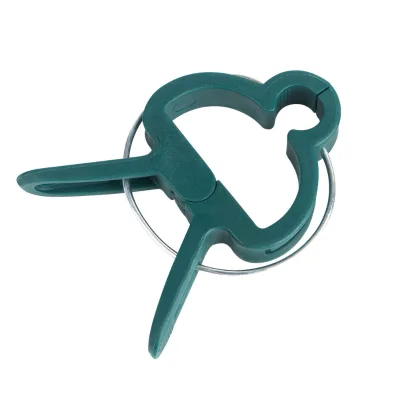


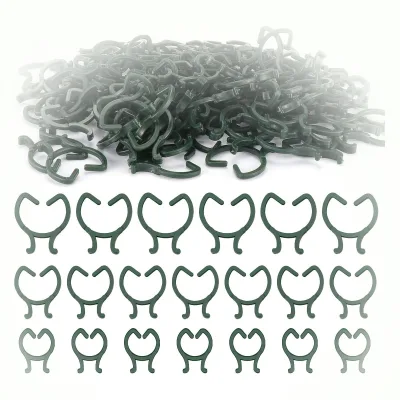


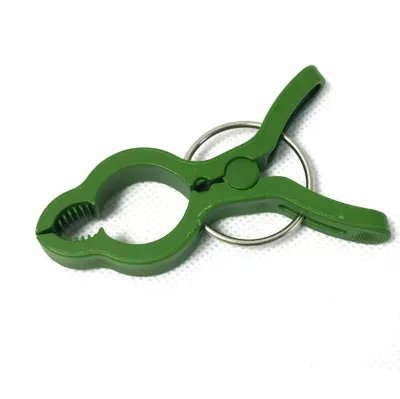


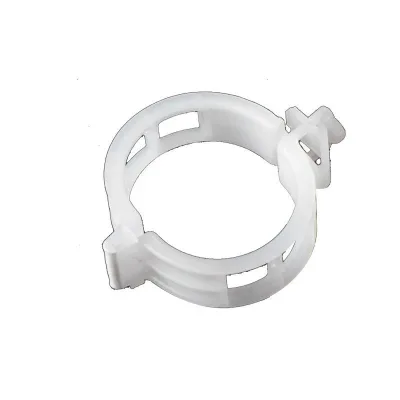

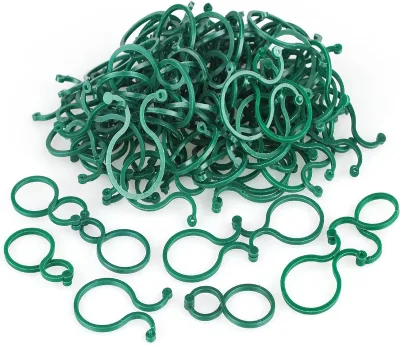
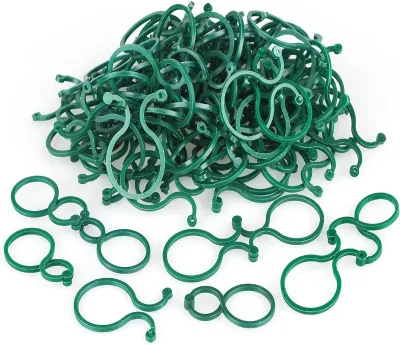
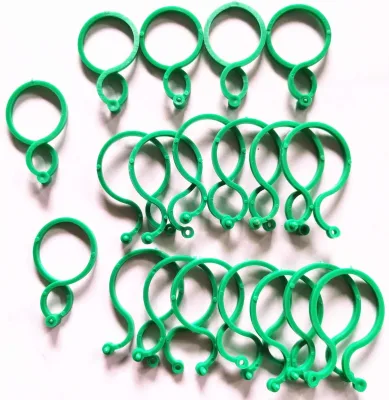
22mm Plastic Clips Garden Plastic Locks Plant Support Clips Tomato Clips
$0.05 - $0.06
MOQ: 10000 Pieces


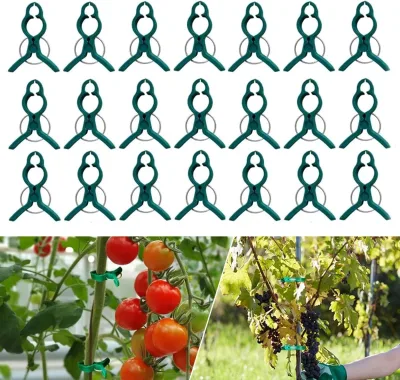
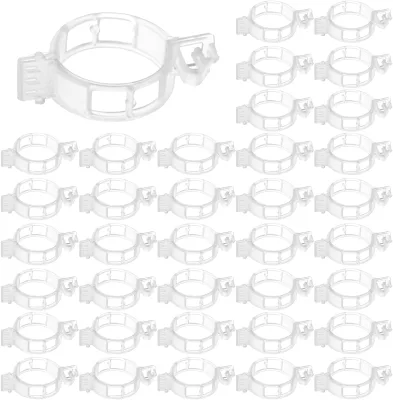
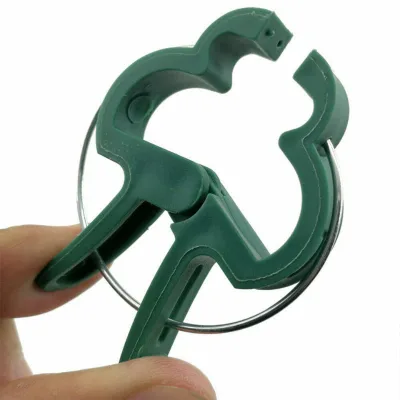
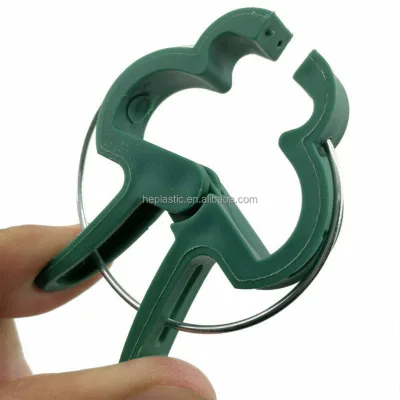
Comprehensive Sourcing Guide
Plant Clips Sourcing Guide
Plant Clips serve as essential horticultural accessories designed to support climbing and trailing vegetation, ensuring optimal growth patterns and structural integrity in both commercial greenhouses and residential gardens. These devices typically function by gently securing stems to trellises, stakes, or vertical growing systems without causing damage to the plant tissue. The primary objective is to maintain consistent tension and alignment, which improves air circulation and light exposure for the foliage. Buyers must recognize that while the core function remains constant, the specific design and material composition vary significantly based on the target crop and environmental conditions.
The market offers a diverse array of options, ranging from simple plastic loops to more complex multi-claw designs that accommodate thicker stems. Observations from current listings indicate a strong presence of products labeled under brands such as Agricova and Gamry, with model numbers like 507015, GF-72, and CL01 appearing frequently. These identifiers suggest a fragmented supplier base where customization is a key differentiator. Procurement teams should focus on understanding the mechanical load requirements of their specific plants rather than just the aesthetic appeal, as the clip must withstand wind, rain, and the natural weight of mature vegetation over time.
Product Scope and Observed Listing Signals
Current market data reveals a wide price range, observed between 0.01 and 1.5 USD per unit, reflecting significant variation in material quality, packaging density, and order volume. Minimum order quantities (MOQs) span from single units to 250,000 pieces, indicating that suppliers cater to both small-scale gardeners and large agricultural distributors. The most common material cited is plastic, with specific mentions of PET and PP polymers, which offer durability and resistance to UV degradation. Green is the predominant color, chosen for its visual blending with foliage, though white, black, and red options are available for specific aesthetic or functional needs.
Packaging configurations vary widely, with some products sold in bags of 50 or 1000 pieces, while others are packed in cartons with specific batch dimensions such as 47x47x32 cm. This variability impacts logistics planning and storage efficiency for the buyer. Several listings highlight customization options for size, color, and logo printing, suggesting that private labeling is a viable strategy for brand differentiation. However, buyers must verify if these customizations affect the lead time or minimum order thresholds, as bespoke production runs often require higher volumes to be economically viable for the manufacturer.
Technical Specifications to Verify
Dimensional accuracy is critical for Plant Clips, as mismatched sizes can lead to stem damage or insufficient support. Standard sizes like 50mm are commonly available, but custom dimensions are frequently offered to accommodate specific plant varieties. Buyers should request detailed technical drawings or physical samples to verify the inner diameter and clip tension. The model numbers GF-01, GF-08, and GF-108 represent different structural designs, so understanding the mechanical differences between these variants is essential for selecting the right product for heavy vines versus light herbs.
Material composition directly influences longevity and environmental impact. While PET and PP are standard, some listings mention polyester or other materials, which may have different flexibility and strength characteristics. The gross weight per batch, often around 14 kg for standard packages, provides a clue about the density and quantity of clips included. Additionally, features such as "supportable" design and "five claws" configurations indicate specialized applications where multiple points of contact are needed. Verifying these technical attributes ensures that the selected clips will perform reliably under the specific load conditions of the intended agricultural or gardening application.
Compliance and Safety Documentation
Safety and regulatory compliance are paramount, especially when Plant Clips are used in food production environments. Buyers should verify that materials are food-safe and free from harmful chemicals that could leach into the soil or plants. Although specific certifications like CE are mentioned in some listings, it is crucial to confirm that these apply to the manufacturing process and material safety rather than just electrical components, as most Plant Clips are non-electrical. Understanding the regulatory landscape in the destination market is essential to avoid import restrictions or product recalls.
Documentation should also cover the origin of materials and the manufacturing standards adhered to by the supplier. The place of origin, often Zhejiang, China, is a major hub for plastic goods, but buyers must ensure that quality control processes are robust and consistent. Requesting material safety data sheets (MSDS) or declarations of conformity can provide assurance that the products meet international safety standards. Additionally, verifying that the supplier follows ethical labor practices and environmental regulations adds value to the procurement decision, aligning with corporate social responsibility goals.
Cost Drivers and Commercial Terms
The final cost of Plant Clips is influenced by several factors, including raw material prices, manufacturing complexity, and packaging requirements. Bulk purchasing typically yields significant discounts, as evidenced by the wide MOQ range and low unit prices. However, buyers must consider the total landed cost, which includes shipping, insurance, and import duties. Packaging efficiency plays a role here, as compact carton sizes like 15x15x3.5 cm can reduce freight costs compared to bulkier configurations. Understanding these cost drivers allows for more accurate budgeting and negotiation with suppliers.
Commercial terms such as payment methods, lead times, and warranty policies are also critical components of the procurement strategy. While specific lead times are not provided in the observed data, buyers should establish clear expectations with suppliers regarding production schedules and delivery schedules. Customization options, such as logo printing or custom colors, may incur additional setup fees or require longer production runs. Negotiating favorable terms, including flexible payment structures or volume-based pricing tiers, can enhance the overall value proposition and reduce financial risk for the buyer.
Supplier Qualification and Quality Control
Selecting a reliable supplier requires thorough due diligence, including verification of business licenses, production capacity, and quality management systems. Buyers should prioritize suppliers who demonstrate transparency in their manufacturing processes and provide consistent product quality. Requesting references or case studies from existing clients can provide insights into the supplier’s reliability and customer service levels. Additionally, assessing the supplier’s ability to handle customization requests and adapt to changing market demands is crucial for long-term partnership success.
Quality control measures should be integrated into the procurement process to ensure that delivered products meet specified standards. Implementing pre-shipment inspections or third-party quality audits can help identify defects or inconsistencies before goods are dispatched. Establishing clear quality criteria, such as tolerance levels for dimensions and material strength, provides a benchmark for evaluation. Regular communication with the supplier regarding quality feedback and continuous improvement initiatives fosters a collaborative relationship and ensures that the Plant Clips consistently meet the buyer’s performance expectations.
Long-Term Procurement Checks
Sustaining a successful procurement strategy for Plant Clips involves regular performance reviews and market monitoring. Buyers should track key performance indicators such as defect rates, delivery punctuality, and cost fluctuations to identify areas for improvement. Periodic audits of supplier performance can highlight trends and potential risks, allowing for proactive mitigation strategies. Additionally, staying informed about industry trends and technological advancements in plant support systems can help buyers stay competitive and innovative in their horticultural practices.
Building a diversified supplier base reduces dependency on single sources and enhances supply chain resilience. Engaging with multiple suppliers allows for comparative analysis and negotiation leverage, ensuring that the buyer maintains favorable terms and conditions. Furthermore, fostering strong relationships with suppliers through regular communication and mutual respect can lead to better service levels and priority treatment during peak demand periods. Continuous evaluation and adaptation of the procurement strategy ensure that the buyer remains agile and responsive to changing market dynamics and customer needs.
FAQs
What materials are used for Plant Clips?
Plant Clips are typically manufactured from durable plastics such as PET and PP. Some specialized variants may utilize polyester for enhanced flexibility. These materials ensure the clips remain sturdy while supporting plant growth without causing damage to stems or leaves during long-term garden use.
Can Plant Clips be customized for specific needs?
Yes, customization is available for many plant clip models. Buyers can often request specific sizes, colors like green or white, and custom logos. This flexibility allows gardeners and agricultural suppliers to tailor the product to their branding or specific horticultural requirements effectively.
What is the typical packaging for Plant Clips?
Plant Clips are commonly packed in bags containing fifty pieces or one thousand pieces per bag. These bags are then placed into cartons for bulk shipping. Standard package dimensions are often around forty-seven by forty-seven by thirty-two centimeters to ensure safe transport.
Where are Plant Clips typically manufactured?
Most Plant Clips are manufactured in Zhejiang, China. This region is a known hub for producing garden tools and accessories. Buyers sourcing these items should expect origins from this area, which offers competitive pricing and established supply chains for agricultural support products.
What certifications do Plant Clips have?
Certain plant clip models carry CE certification, indicating compliance with European safety standards. This certification is important for buyers exporting to or operating within regulated markets. It ensures the product meets specific quality and safety requirements for general use in gardening and agriculture.