Source Pocket Watch for Gifts, Promotions, and Collectibles
Explore 30 listings for Pocket Watch options including quartz and mechanical movements with features like day/date and alarm. Buyers can compare customization, materials, and MOQs from suppliers in China to find suitable items for gifts, promotions, and collectibles; compare the available evidence and request quotations based on your requirements.
Key considerations
Products List




Comprehensive Sourcing Guide
Pocket Watch Sourcing Guide
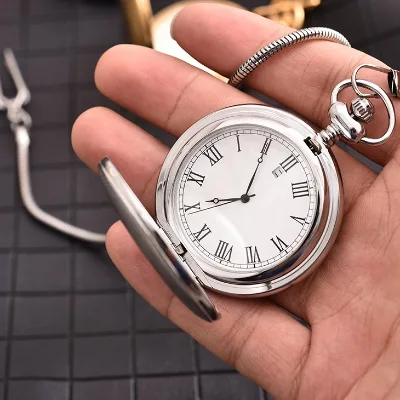
Buyers evaluating this category must first distinguish between traditional timepieces and multifunctional promotional items, as the market offers distinct product lines ranging from classic analog-digital hybrids to specialized utility tools. The observed inventory includes models with square, round, and oval dials, alongside unique shapes like cars or fruits, indicating that customization is a primary driver for this segment rather than standard mass production.
Procurement strategies should prioritize suppliers who explicitly accept OEM orders and offer customized logos, as the data confirms that metal Pocket Watch logos and surface treatments are frequently tailored to client specifications. This flexibility allows buyers to align the product style, whether antique, European, or modern, with specific branding campaigns while ensuring the final item meets the intended gender or unisex market requirements.
Product Scope and Observed Listing Signals
The product scope spans from functional mechanical and quartz movements to digital displays, with specific models featuring day/date indicators, chronographs, and power reserve complications. Buyers should note that some listings describe items with multiple utility functions, such as compasses, bottle openers, or photo frames, which suggests these are often marketed as promotional gifts rather than pure horological instruments.
Listing signals indicate a wide variance in material composition, with stainless steel cases and tempered glass surfaces being common high-end options, while other entries specify glass surfaces or baking varnish treatments. The presence of waterproof ratings, ranging from general waterproof claims to specific 50-meter depths, requires careful verification to ensure the selected model matches the intended usage environment, whether for daily wear or outdoor promotional events.
Technical Specifications to Verify
Verification of movement type is critical, as the supply chain offers both quartz and mechanical options, each with distinct maintenance and accuracy profiles. Buyers must confirm whether the selected model includes specific features like luminous hands, alarms, or chronograph functions, as these attributes vary significantly between the square-dial antique styles and the modern round-dial designs found in the current inventory.
Dimensional and structural specifications require close attention, particularly regarding dial shapes and case materials, which directly impact the aesthetic and durability of the final product. Since sizes are often listed as customized, procurement teams must validate the exact physical dimensions and weight against their design requirements, ensuring that the chosen model, such as the Metal Pocket Watch-099T or Keychain variants, fits the intended packaging and user experience.
Compliance and Safety Documentation
While specific certification statuses are not universally asserted in the provided data, buyers must request evidence of material safety for all components, especially those intended for children or general consumer use. The presence of eco-friendly features in some listings suggests a potential pathway for sustainability claims, but this requires documented proof of material sourcing and manufacturing processes to validate any environmental assertions made by the supplier.
Safety documentation should also address the functional integrity of items with multiple uses, such as those serving as bottle openers or compasses, to ensure no sharp edges or hazardous materials are present. Buyers should verify that surface treatments like baking varnish or engraving processes comply with relevant international safety standards for consumer goods, ensuring the finished product is safe for handling and long-term use.
Cost Drivers and Commercial Terms
Cost structures in this sector are heavily influenced by the level of customization required, including logo engraving, specific dial shapes, and unique packaging solutions like polybags or custom PP bags. The observed minimum order quantities (MOQ) vary, with some listings indicating a baseline of 500 pieces, which can significantly impact the unit price and overall budget for smaller procurement runs.
Commercial terms must account for the variability in lead times and production complexity associated with OEM orders and customized designs. Buyers should negotiate clear terms regarding the acceptance of design proofs and the timeline for producing samples, as the customization of metal logos and surface materials often extends the production cycle compared to standard off-the-shelf inventory.
Supplier Qualification and Quality Control
Supplier qualification should focus on their capacity to handle diverse customization requests, including the ability to produce items with specific styles like business, retro, or modern aesthetics. Buyers must assess the supplier's track record in managing OEM orders and their ability to maintain consistency across different production batches, particularly when dealing with complex features like mechanical movements or multi-function designs.
Quality control protocols must be rigorous, given the mix of materials and finishes observed in the market, such as stainless steel, tempered glass, and various surface treatments. Establishing a clear inspection plan that covers movement accuracy, waterproof integrity, and the durability of custom engravings is essential to prevent defects and ensure that the final delivered products meet the agreed-upon specifications and performance expectations.
Long-Term Procurement Checks
Long-term procurement success depends on maintaining a consistent relationship with suppliers who can reliably deliver customized products over multiple seasons. Buyers should establish a framework for periodic quality audits and design reviews to ensure that the supplier continues to meet evolving market trends and specific branding requirements without compromising on the quality of materials or craftsmanship.
It is also vital to monitor the supply chain for any changes in material availability or production standards that could affect the final product. Regular communication regarding updates in manufacturing processes, such as new surface treatments or movement technologies, will help buyers stay ahead of market shifts and ensure their Pocket Watch offerings remain competitive and aligned with consumer expectations.
FAQs
What customization options are available for pocket watches?
Customization is available for pocket watches, allowing buyers to tailor specific attributes to their needs. Options include customized logos, dial shapes such as square or round, and design elements like fruit patterns or photo-based designs. Buyers can also request specific packaging requirements, such as PP bags or polybags, to align with their branding and distribution strategies effectively.
Can pocket watches be manufactured with mechanical movements?
Yes, pocket watches can be manufactured with mechanical movements, in addition to quartz options. Some models feature analog-digital display methods and include features like chronographs, day/date indicators, and luminous hands. These mechanical variants often support OEM orders and allow for customized sizes, catering to buyers seeking traditional craftsmanship combined with modern functional design elements for diverse market segments.
What is the typical MOQ for Pocket Watch orders?
The typical MOQ for Pocket Watch orders is 500 pieces, though observed ranges extend from 1 to 900 units depending on the supplier and product complexity. Buyers should verify specific MOQ requirements for each model, as some items may have flexible thresholds. This structure supports both small-scale testing and larger bulk procurement while maintaining cost efficiency for manufacturers and buyers alike.
Which materials are commonly used in Pocket Watch cases?
Stainless steel is commonly used for Pocket Watch cases, providing durability and a premium finish. The surface material often features tempered glass or standard glass for the dial, ensuring clarity and scratch resistance. These material choices support various styles, including antique, modern, and European designs, while allowing for surface treatments like baking varnish to enhance aesthetic appeal and longevity for end users.
Are pocket watches suitable for promotional gifts?
Yes, pocket watches are suitable for promotional gifts, with specific models designed for this usage. Features include eco-friendly attributes, multi-functionality like compasses or bottle openers, and customizable designs. These watches can be engraved or printed with logos, making them ideal for corporate events, holiday promotions, or business gifts, offering a tangible and memorable item that aligns with brand visibility goals.
What display methods are used in digital pocket watches?
Digital pocket watches utilize digital display methods, often combined with analog-digital hybrid systems for versatile timekeeping. These models may include features like alarms, power reserves, and luminous indicators for visibility in low light. The digital interface supports modern functionality while maintaining a compact form factor, appealing to buyers seeking practical, tech-integrated accessories for daily use or specialized applications.