Source Pull Out Sprayer Kitchen Faucet for Modern, Commercial, and Residential Use
Explore 30 verified options for the Pull Out Sprayer Kitchen Faucet, comparing features like chrome finishes, brass construction, and single-handle designs. Buyers can evaluate specifications including flow rates, ceramic cartridges, and OEM services from Guangdong manufacturers.
Key considerations
Products List
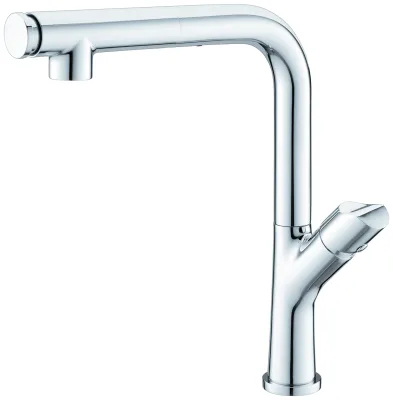
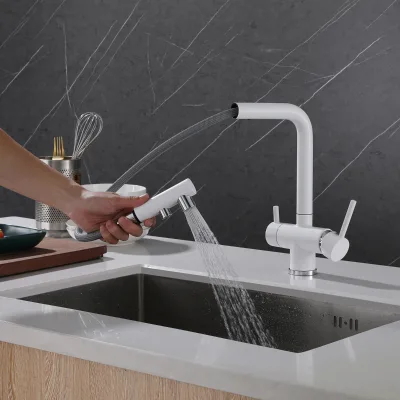

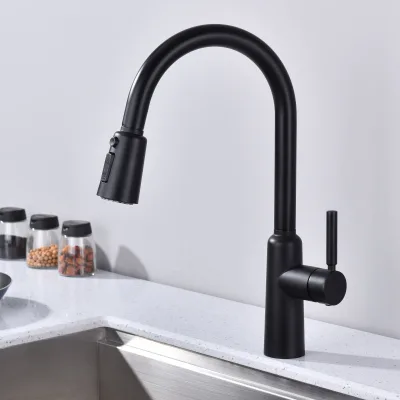
Kitchen Sink Faucet Pull out Sprayer Hot Selling Brass Modern Kitchen Faucet
$32.00 - $42.00
MOQ: 1 Pieces


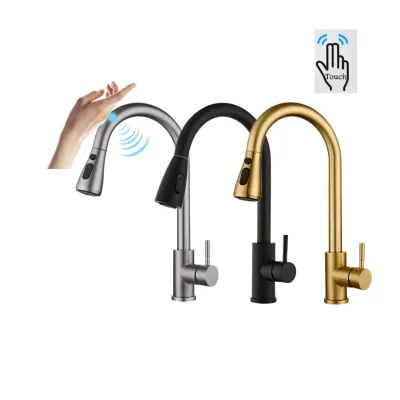


Pull out Sink Mixer Single Hole Brass Pull Down Sprayer Kitchen Faucet
$35.00 - $50.00
MOQ: 100 Pieces

Spring Pull Down Sprayer Kitchen Sink Faucet Mixer Pull out Kitchen Water Tap
$43.60 - $45.60
MOQ: 24 Pieces

Modern Brass Single Lever Pull out Sprayer Kitchen Sink Water Mixer Faucet
$34.60 - $38.60
MOQ: 24 Pieces

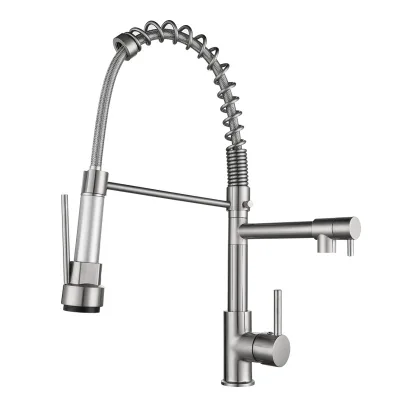


Kitchen Faucet Pull out Kitchen Sink Faucet with Pull Down Sprayer (KM506)
$19.85 - $28.20
MOQ: 30 Pieces
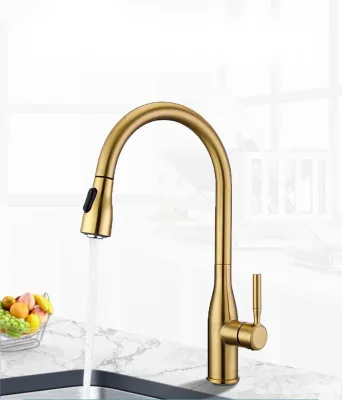
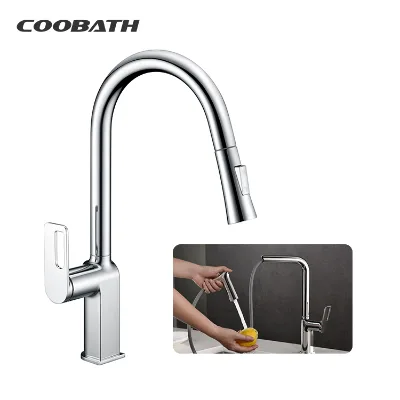

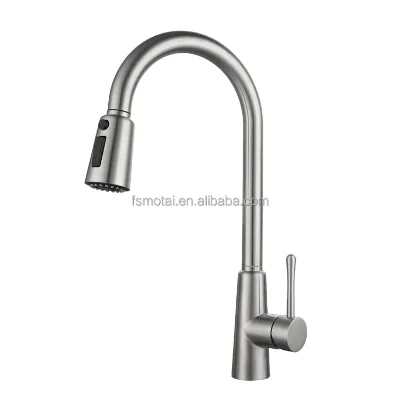
Stainless Steel Faucet Kitchen Tap Pull out Kitchen Mixer Kitchen Sink Faucet with Sprayer
$18.00 - $35.00
MOQ: 100 Pieces

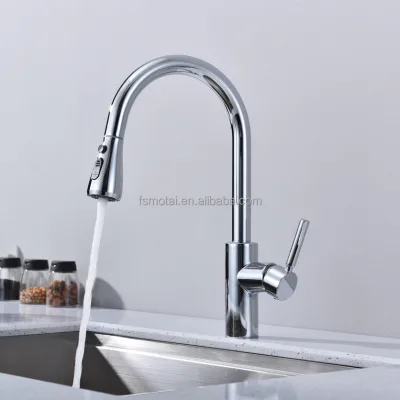
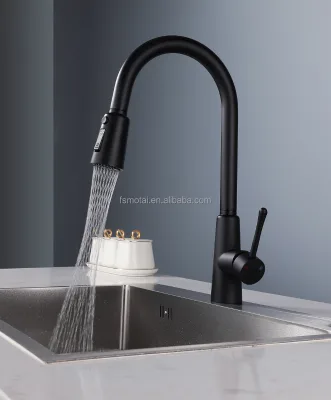

Comprehensive Sourcing Guide
Strategic Sourcing Guide for Pull Out Sprayer Kitchen Faucets
Understanding Core Technical Specifications and Functional Variations
When sourcing pull-out sprayer kitchen faucets, buyers must first distinguish between the specific mechanical configurations available in the market. The core keyword "pull out sprayer" implies a hose-based system where the spray head retracts into the faucet body, yet product listings reveal significant variation in this functionality. Some units are explicitly defined as having a "Pull Out Spray" feature, while others in the same category are listed as "Without Pull Out Spray," indicating a fixed spout design. A critical observation in the current supply landscape is the presence of "Pull Down" spray types, which differ mechanically from pull-out models by utilizing a gravity-assisted hose retraction rather than a spring-loaded mechanism.
The physical dimensions of the faucet are equally critical for installation compatibility. The observed product attributes indicate a range of faucet heights, specifically categorized as 3-3.9 inches, 4-5.9 inches, and 6-7.9 inches. Buyers must verify the specific height requirement against their sink deck clearance and backsplash distance before ordering. Furthermore, the installation type is predominantly "Deck Mounted," requiring a single hole for installation, as evidenced by the "Single Hole" attribute found in many listings. However, the "Number of Holes for Installation" can vary, and while single-hole setups are common for modern designs, multi-hole configurations may exist for specific aesthetic styles.
The spray head functionality extends beyond simple extension. Many units feature a "360 Swivel" capability, allowing the spray head to rotate fully around the spout base for versatile cleaning angles. The control method is typically a "Switch" or "One Handle" operation, offering a streamlined interface for temperature and flow adjustment. The "Opening Way" is generally described as "Revolving Type," ensuring smooth rotation of the spout. For buyers requiring specialized functionality, some models include a "Purified Water Outlet" or a "Waterfall" outlet style, which alters the flow dynamics significantly compared to standard aerated streams. The "Hot and Cold Water" capability is standard, but the specific "Flow Rate" varies, with observed ranges including 1.0-1.9 gallons per minute, 2.0-2.9 gallons per minute, and 3.0 gallons per minute and above. Selecting the correct flow rate is essential for balancing water conservation requirements with user preference for filling speed.
Material Composition and Surface Finishing Durability
The longevity of a kitchen faucet is heavily dependent on the materials used in its construction and the quality of its surface finishing. The supply data indicates a diverse material palette, with "Brass" and "SS 304" (Stainless Steel 304) being the primary materials cited. Brass is traditionally favored for its machinability and corrosion resistance, while SS 304 offers high durability and a modern aesthetic. The "Valve Core Material" is consistently identified as "Stainless Steel," a critical component that determines the internal reliability and leak resistance of the unit.
Surface finishing plays a dual role in aesthetics and protection. The most frequently observed finish is "Chrome," with specific listings noting "Chrome" as both a color and a surface finishing process. Other popular finishes include "Matt black," "Matt white," "gun grey," "brush gold," and "brush nickel." The process for achieving these finishes is often listed as "Chromed" or similar plating techniques. To ensure the finish withstands the harsh kitchen environment, buyers should look for evidence of a "Salt Spray Test" result. One specific data point mentions a "48 Hours" salt spray test, which serves as a benchmark for corrosion resistance, though buyers should verify if this standard applies to the specific batch they are purchasing. The "EPE Foam+Carton" packing method is standard, providing necessary protection during transit to prevent scratches on delicate finishes like brushed gold or matte black.
Compliance, Certification, and Regulatory Standards
Navigating the regulatory landscape is a non-negotiable aspect of B2B procurement, particularly for plumbing fixtures that come into contact with drinking water. The supply chain data highlights several key certifications that indicate a manufacturer's adherence to international standards. The observed certifications include "CE," "ACS," "BSCI," "KTW," and "ISO9001." Each of these serves a distinct purpose: CE indicates conformity with health, safety, and environmental protection standards for products sold within the European Economic Area. ACS (Association of Control of Water) is a French certification specifically for potable water contact materials. KTW is a German standard for materials used in drinking water systems, ensuring no harmful substances leach into the water. ISO9001 confirms that the manufacturer has a certified quality management system in place. BSCI (Business Social Compliance Initiative) addresses social compliance and ethical labor practices within the supply chain.
Buyers must treat these certifications as observations of the supplier's capabilities rather than automatic guarantees for every SKU. The presence of these certifications on a product page suggests the factory is capable of meeting these standards, but verification of the specific certificate for the ordered model is required. The "Place of Origin" is consistently listed as "China," with a specific location in "Guangdong, China," a major manufacturing hub. This geographic concentration often implies a mature supply chain but requires rigorous due diligence to ensure that the specific factory holds valid, up-to-date certification documents. The "Type of company" is identified as a "manufacturer," which generally suggests better control over the production process compared to trading companies, though this should be confirmed through site audits.
Cost Drivers and Pricing Structure Analysis
The pricing for pull-out sprayer kitchen faucets exhibits a wide variance, with an observed range from $2.45 to $65.00 USD. This broad spectrum is driven by several distinct factors. The primary cost driver is the material composition; units constructed from SS 304 or high-grade brass with complex internal mechanisms will naturally command a higher price point than those using lower-grade alloys or simpler construction. The "Cartridge" is another significant cost component. The data specifies a "35mm Ceramic Cartridge" with a "Cartridge Lifetime" of 500,000 times opening. High-quality ceramic cartridges are more expensive but offer superior durability and drip-free performance compared to rubber washer alternatives.
The "Customization" availability is a major variable in pricing. Products offering "OEM and ODM" (Original Equipment Manufacturer and Original Design Manufacturer) services allow buyers to tailor the design, branding, and specifications. This level of customization typically incurs higher unit costs and may require a higher "MOQ" (Minimum Order Quantity). The observed MOQ range spans from 1 to 200 units. While some suppliers offer low MOQs for testing or small orders, larger production runs often benefit from economies of scale, reducing the per-unit cost. The "Selling Units" are listed as "Single item," which can complicate bulk pricing calculations if the supplier does not offer tiered discounts. Additionally, the "After-sale Service" of "Online Technical Support" adds value but may be factored into the overall pricing structure. Buyers should analyze the total cost of ownership, including potential maintenance costs for the "Cartridge" and the durability of the "Finish," rather than focusing solely on the initial purchase price.
Supplier Evaluation and Operational Capabilities
Evaluating a supplier requires looking beyond the product listing to assess their operational maturity and service capabilities. The data indicates that suppliers are of the "manufacturer" type, which is generally preferable for B2B buyers seeking direct control over production quality and lead times. The "Service" attributes include "ODM+OEM," suggesting the supplier is flexible enough to handle custom branding and design modifications. This is crucial for buyers looking to establish a private label or adapt products to specific regional requirements.
The "After-sale Service" is listed as "Online Technical Support," which is a baseline expectation. However, for large-scale procurement, buyers should verify if this support extends to warranty claims, spare parts availability, and on-site installation guidance. The "Warranty" period observed is "1 Year," which is a standard industry term but may vary based on the specific product tier. Buyers should negotiate warranty terms that align with the expected product lifespan, especially given the high-cycle nature of kitchen faucets. The "Brand Name" "Flory" is mentioned in the data, serving as an example of a specific brand, but buyers should not limit their search to this name. Instead, they should evaluate the supplier's ability to produce under their own brand or a private label.
When assessing the "Design Style," the observed attributes include "Modern" and "Contemporary," which are dominant trends. However, the "Application" is broadly defined as "Kitchen," and the "Usage" is "Common Basin." Buyers must ensure the supplier can produce variations that fit specific design aesthetics, such as the "Waterfall" outlet or "Magnetization" features, if these are required for their target market. The "Feature" list includes "Sense Faucets," which implies advanced technology integration. Buyers should verify the reliability of such features, as they introduce additional points of failure compared to mechanical systems.
Quality Control Protocols and Long-Term Procurement Strategy
Implementing a robust quality control (QC) strategy is essential to mitigate the risks associated with sourcing from a diverse supply base. The "Salt Spray Test" result of "48 Hours" provides a specific metric for corrosion resistance, but buyers should establish their own QC protocols that may require longer test durations depending on the target market's environmental conditions. The "Cartridge Lifetime" of 500,000 cycles is a significant selling point, but it must be validated through independent testing or third-party verification to ensure the claim holds true under real-world usage conditions.
Long-term procurement considerations involve building a relationship with a supplier who can scale with demand. The "MOQ" range of 1-200 suggests flexibility, but buyers planning for volume growth should negotiate lower per-unit costs and more favorable lead times as order quantities increase. The "Production Origin" in Guangdong, China, offers access to a mature ecosystem of components and logistics, but buyers should monitor geopolitical and logistical factors that could impact lead times. The "Packing" method of "EPE Foam+Carton" is standard, but for high-value items, buyers may request enhanced packaging to prevent damage during international shipping.
To ensure consistent quality, buyers should request pre-shipment inspections and third-party testing reports for critical attributes like the "Valve Core Material" and "Surface Finishing." The "Certification" list (CE, ACS, KTW, etc.) should be reviewed annually to ensure they remain valid and applicable to the specific product models being ordered. Finally, the "After-sale Service" and "Warranty" terms should be clearly defined in the contract, outlining the process for handling defects, returns, and replacements. By focusing on these technical, regulatory, and operational factors, buyers can secure a reliable supply of pull-out sprayer kitchen faucets that meet both performance expectations and business objectives.
FAQs
What certifications do pull out sprayer kitchen faucets typically have?
Products often carry CE, ACS, BSCI, KTW, and ISO9001 certifications. These indicate compliance with safety, water quality, and quality management standards, though specific batches must be verified for validity.
Which materials are used for pull out sprayer kitchen faucets?
Brass and SS 304 stainless steel are the primary materials used. The valve core is consistently made of stainless steel to ensure internal reliability and resistance to leaks.
How long is the cartridge lifetime for these faucets?
The ceramic cartridge typically has a lifetime of 500,000 opening cycles. This high durability ensures drip-free performance over extended periods of daily kitchen use.
Can buyers customize the design and branding of these faucets?
Yes, customization is available with OEM and ODM services offered. Buyers can tailor designs and branding, though this may affect the minimum order quantity and unit pricing.
What is the typical price range for pull out sprayer kitchen faucets?
The observed price range spans from 2.45 to 65 USD per unit. Costs vary based on material quality, finish type, and whether the unit includes advanced features like pull-out sprays.
How is the surface finish tested for durability?
Some units undergo a 48-hour salt spray test to verify corrosion resistance. Buyers should confirm if this specific test result applies to the exact model being purchased.
Where are these faucets typically manufactured?
Products originate from Guangdong, China, a major manufacturing hub. This location provides access to a mature supply chain for components and logistics.