Source Pulsation Vacuum Steam Sterilizer for Lab Hospital School
Find 30 Pulsation Vacuum Steam Sterilizer units with varying capacities from 18L to 280L and power ratings up to 12kw. Compare specifications including CE and ISO certifications, working pressures, and customization options for lab, hospital, and school applications.
Key considerations
Products List


Horizontal Type Autoclave Sterilizer Pulsating Vacuum Steam Sterilizer
$7800.00 - $7857.00
MOQ: 1 sets


High-Pressure Vertical Steam Sterilizer with Vacuum Pulsation TUV/CE Certified
$9400.00 - $9500.00
MOQ: 1 sets

Pulse Vacuum Horizontal Pressure Steam Sterilizer for Lab Hospital - Grade
$7800.00 - $7857.00
MOQ: 1 sets

Pulsating Vacuum Sterilizer with High-Quality Stainless Steel Materials
$16000.00 - $16900.00
MOQ: 1 sets

600L Working Pressure 0.25MPa Pulsating Vacuum Horizontal Steam Sterilizer
$16500.00 - $16940.00
MOQ: 1 Pieces

Horizontal Pulse Vacuum Steam Sterilizer Machine for Medical Equipment
$9999.00 - $11000.00
MOQ: 1 Pieces

Pulse Vacuum Steam Sterilizer Autoclave for Cleanroom Steam Sterilization
$12000.00 - $35000.00
MOQ: 1 Pieces


680L Pulse Vacuum Steam Sterilizer Autoclave with Saturated Steam Sterilization
$12000.00 - $35000.00
MOQ: 1 Pieces

Fully Automatic Pulse Vacuum Steam Sterilizer Autoclave Saturated Steam Sterilizer
$12000.00 - $35000.00
MOQ: 1 Pieces


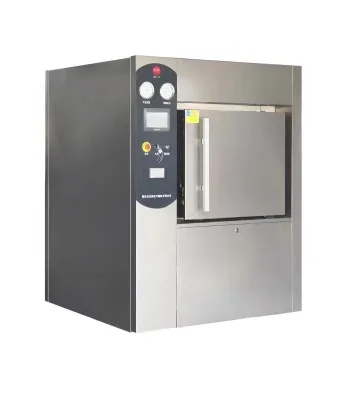
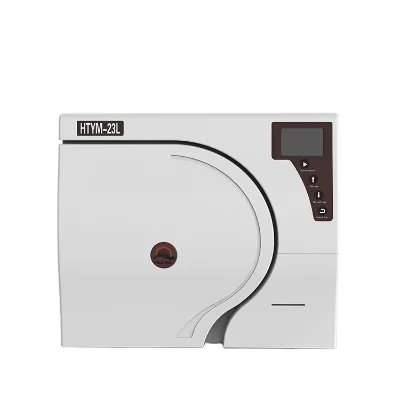


Industrial Pulsed Vacuum High-Temperature Autoclave Pre-Vacuum Steam Sterilizer
$6500.00 - $8000.00
MOQ: 1 Pieces


Medical 35L 50L Table Top Pulse Vacuum Tablepressure Steam Sterilizer
$1000.00 - $1600.00
MOQ: 1 Pieces


Comprehensive Sourcing Guide
Pulsation Vacuum Steam Sterilizer Sourcing Guide
Selecting the right Pulsation Vacuum Steam Sterilizer requires a careful balance of technical precision, regulatory compliance, and commercial viability. These devices are critical for ensuring the sterility of medical instruments, laboratory equipment, and hospital supplies by utilizing high-pressure saturated steam under vacuum conditions. The pulsation vacuum mechanism enhances steam penetration into porous loads and complex instrument lumens, offering a more reliable sterilization cycle compared to gravity displacement methods. Procurement teams must navigate a market where specifications vary significantly, from portable units for small clinics to large-capacity systems for central sterile supply departments.
This guide provides a structured approach to evaluating suppliers and products based on observed market data and trusted industry knowledge. It focuses on verifying technical attributes, understanding cost drivers, and ensuring long-term operational reliability. Buyers should prioritize suppliers who provide transparent documentation regarding certifications, material construction, and performance standards. By adhering to the verification steps outlined below, organizations can mitigate risks associated with equipment failure, non-compliance, and unexpected maintenance costs, ensuring a robust investment in sterilization infrastructure.
Product Scope and Observed Listing Signals
The current market for pulsation vacuum steam sterilizers exhibits a wide range of capacities and configurations, reflecting diverse institutional needs. Observed listings indicate a price range from approximately $99 to over $85,000 USD, which correlates strongly with unit capacity, automation level, and included features such as data logging and printing capabilities. Minimum Order Quantities (MOQ) are typically low, ranging from 1 to 10 units, suggesting that most suppliers operate on a direct-to-institution model rather than bulk wholesale distribution. This variability allows buyers to select units tailored to specific throughput requirements, from small laboratory settings to high-volume hospital environments.
Product attributes observed in listings highlight key differentiators such as material construction, power requirements, and display interfaces. Common materials include carbon steel and stainless steel, with stainless steel being preferred for its corrosion resistance and ease of cleaning in humid environments. Many units feature LCD displays for intuitive operation and monitoring of cycle parameters. Electrical specifications vary, with common voltages including 220V and 380V, and power ratings ranging from 2.0kW to 12kW, depending on the chamber volume and heating capacity. Buyers must align these electrical requirements with their facility’s infrastructure to avoid costly retrofitting.
Technical Specifications to Verify
Verifying the technical specifications of a sterilizer is paramount to ensuring it meets the operational demands of the intended application. Key parameters to confirm include the chamber volume, which typically ranges from 18L to 280L in observed models, and the working pressure, often around 0.22MPa to 0.23MPa. The operating temperature should be verified to ensure it remains below critical thresholds, such as 136°C, to protect heat-sensitive instruments. Additionally, the power supply configuration, whether single-phase or three-phase, must match the facility’s electrical capacity to prevent overloads or inefficient operation.
Advanced features such as sterilization information recording and printing, ultra-high temperature alarms, and customized packaging options are critical for quality assurance and logistics. Units equipped with recording and printing functions provide an audit trail essential for regulatory compliance and internal quality control. Buyers should also verify the gross weight and dimensions to ensure the unit fits within designated installation spaces and can be transported safely. The structure of the unit, whether portable or stationary, should align with the flexibility needs of the department, with portable options offering mobility for smaller clinics or temporary setups.
Compliance and Safety Documentation
Compliance with international and regional standards is non-negotiable for medical sterilization equipment. Buyers must verify that the sterilizer holds relevant certifications, such as CE, ISO, and potentially FDA approval, depending on the target market. These certifications indicate that the device has undergone rigorous testing for safety, performance, and electromagnetic compatibility. Documentation should include detailed user manuals, maintenance schedules, and validation protocols that demonstrate the unit’s ability to consistently achieve sterility assurance levels (SAL) as required by healthcare standards.
Safety features must be explicitly documented and verified. This includes the presence of ultra-high temperature and pressure alarms, which prevent damage to instruments and ensure user safety. The instrument classification, often Class II for such devices, should be clearly stated to guide proper usage and maintenance procedures. Buyers should request evidence of compliance with specific standards, such as RF YDB280 or YMMD65, which may apply to regional or industry-specific requirements. Ensuring that the supplier provides comprehensive safety documentation reduces liability and enhances operational confidence.
Cost Drivers and Commercial Terms
Understanding the factors that influence the cost of a Pulsation Vacuum Steam Sterilizer helps buyers negotiate better terms and avoid hidden expenses. Primary cost drivers include the chamber capacity, material quality (e.g., stainless steel vs. carbon steel), and the inclusion of advanced features like data logging and automated cycle control. Higher capacity units and those with sophisticated control systems command higher prices but offer greater throughput and precision. Buyers should also consider the cost of ancillary items, such as specialized packaging materials and installation services, which may be quoted separately.
Commercial terms such as MOQ, lead times, and warranty coverage significantly impact the total cost of ownership. While observed MOQs are generally low, buyers should confirm whether volume discounts are available for larger orders. Lead times can vary based on customization requirements and supply chain conditions, so it is essential to establish clear delivery schedules in the contract. Warranty terms should cover both parts and labor, with a clear process for claiming repairs or replacements. Buyers should also inquire about the availability of spare parts and the cost of routine maintenance to budget for long-term operational expenses.
Supplier Qualification and Quality Control
Evaluating supplier qualification is crucial for ensuring the reliability and longevity of the sterilization equipment. Buyers should verify the supplier’s manufacturing capabilities, including their production facilities and quality control processes. Suppliers with ISO 9001 and ISO 13485 certifications demonstrate a commitment to quality management systems specific to medical devices. It is also important to assess the supplier’s experience in the sterilization equipment market, including their track record of delivering units to reputable institutions.
Quality control measures should be transparent and verifiable. Buyers should request documentation of factory acceptance tests (FAT) and pre-shipment inspections to ensure the unit meets specified performance criteria. The supplier should provide a clear process for handling defects or non-conformities, including return policies and technical support. Additionally, buyers should evaluate the supplier’s after-sales service capabilities, including the availability of training for operators and maintenance personnel. A robust supplier partnership ensures that any issues are resolved promptly, minimizing downtime and maintaining sterility standards.
Long-Term Procurement Checks
Long-term procurement success depends on establishing ongoing checks and balances with the supplier. Buyers should implement regular performance reviews to assess the sterilizer’s reliability, maintenance needs, and compliance with evolving standards. This includes monitoring the frequency of service calls, the cost of spare parts, and the effectiveness of the supplier’s technical support. Establishing a preventive maintenance schedule based on manufacturer recommendations can extend the lifespan of the equipment and prevent unexpected failures.
Continuous engagement with the supplier is also essential for staying informed about product updates and technological advancements. Buyers should request periodic updates on firmware or software improvements that may enhance the unit’s performance or security. Additionally, maintaining a clear record of all communications, contracts, and service reports facilitates accountability and dispute resolution. By proactively managing the supplier relationship and monitoring equipment performance, organizations can ensure that their sterilization infrastructure remains efficient, compliant, and cost-effective over time.
FAQs
What certifications do these sterilizers have?
These units typically hold CE and ISO certifications, with some models also displaying FDA compliance. The equipment is classified as Class II medical devices, ensuring adherence to international safety and quality standards for laboratory and hospital environments.
What is the voltage requirement for operation?
The electric tension varies by model, with common options being 220V or 380V. Buyers should verify the specific power supply requirements for their facility to ensure compatibility with the selected sterilizer's electrical infrastructure and safety protocols.
Can the equipment be customized for specific needs?
Yes, customization is available for many models in this series. Manufacturers offer tailored solutions to meet specific laboratory or hospital requirements, allowing for adjustments in volume, structure, or functional features to better suit unique operational workflows.
What is the typical volume capacity range?
The volume capacity ranges from 18L to 50L for smaller units, with larger models reaching up to 280L or 0.25 cubic meters. This variety allows facilities to select the appropriate size based on their daily sterilization throughput needs.
How is the product packed for shipping?
Products are generally packed in foam and carton boxes, or inner plastic with outside wooden or carton boxes. Some larger units may use wooden boxes for protection. This packaging ensures the equipment arrives safely without damage during transit.
What is the working pressure of the sterilizer?
The working pressure is typically around 0.22MPa to 0.23MPa. This pressure level is standard for pressure steam sterilization, ensuring effective sterilization of instruments and materials while maintaining safe operating conditions within the chamber.