Source Resin Bond Diamond Grinding Wheel for Glass, Carbide, Deburring
Compare 30 resin bond diamond grinding wheel options from verified Chinese manufacturers. Buyers can evaluate specifications like grit, shape, and manufacturing process for applications including grinding carbide alloy, optical glass, and deburring tasks; compare the available evidence and request quotations based on your requirements.
Key considerations
Products List


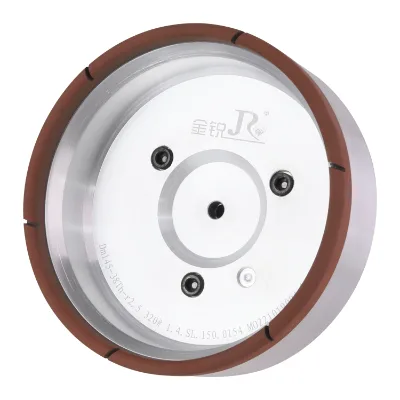


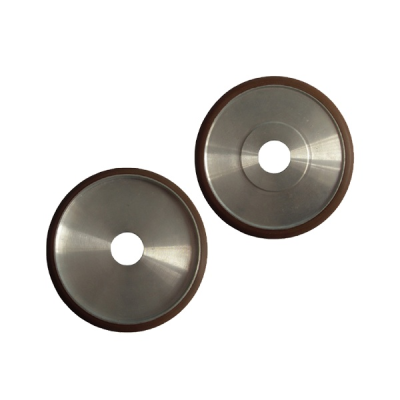


Comprehensive Sourcing Guide
Resin Bond Diamond Grinding Wheel Sourcing Guide
Procurement of resin bond diamond grinding wheels requires careful evaluation of the bonding matrix, as the resin composition directly influences cutting speed and heat dissipation during operation. Buyers must verify that the supplier specifies the material as resin bond diamond or diamond powder with a resin bond, ensuring compatibility with the intended abrasive application. The observed product data indicates these tools are engineered for high-efficiency grinding of carbide alloys and optical glass, where precision and surface finish are critical.
When sourcing these wheels, buyers should confirm the manufacturing process, as options include sintered or electroplated techniques, each offering distinct performance characteristics. The available customization support, including OEM and ODM services, allows for tailored segment counts and grit sizes to match specific machinery requirements. Understanding these technical nuances ensures the selected wheel delivers the necessary high strength and high precision required for demanding industrial tasks without premature failure.
Product Scope and Observed Listing Signals
The market for resin bond diamond grinding wheels presents a diverse range of shapes, including flat-shaped and round configurations, to accommodate various grinding machines and workpiece geometries. Listings indicate a wide spectrum of product models, such as the 1A1, 14a1, and HDRGD series, suggesting that buyers can source specialized tools for specific diameters ranging from 3 to 14 inches. This variety allows procurement teams to select wheels that fit existing equipment constraints while meeting the specific demands of deburring or precision grinding applications.
Commercial signals in the market reveal significant flexibility in minimum order quantities, with some suppliers offering as few as one piece while others require ten pieces or more. Pricing structures vary widely, reflecting differences in material quality, wheel dimensions, and customization levels, with observed ranges spanning from low-cost entry points to premium industrial solutions. Buyers should note that packaging options often include inner boxes, outer cartons, or wooden crates, which are essential for protecting the wheels during international shipping to destinations like Russia, Germany, and Japan.
Technical Specifications to Verify
Buyers must rigorously verify the grit size and face width specifications to ensure the wheel matches the material removal rate and surface finish requirements of the job. Observed data points to specific grits like 600 and face widths such as 1/4 inch, which are critical parameters for controlling the aggressiveness of the cut. It is essential to confirm that the wheel thickness, potentially around 0.0625 inches, aligns with the machine's spindle capacity and the depth of cut needed for the specific workpiece material.
The standard dimensions and segment configurations are equally vital, as the number of segments and the overall diameter dictate the tool's stability and cutting efficiency. Specifications like the D100 standard or specific model numbers such as HDCGD88 provide a framework for identifying compatible tools, but buyers should always cross-reference these with their machinery's operational limits. Verifying the wheel type, whether angle grinding wheels or straight grinding wheels, ensures the selected product integrates seamlessly with the intended application, preventing mechanical issues during high-speed operation.
Compliance and Safety Documentation
Safety documentation for resin bond diamond grinding wheels must include clear instructions on maximum operating speeds and proper mounting procedures to prevent catastrophic wheel failure. While specific certification names are not universally listed in the provided data, buyers should demand evidence that the wheels meet international safety standards for abrasive tools, particularly given the high rotational speeds involved in grinding carbide and glass. Ensuring the supplier provides a certificate of conformity or a safety data sheet is a non-negotiable step for maintaining a safe working environment.
Quality assurance records should also be reviewed to confirm that the manufacturing process adheres to strict quality control protocols, as indicated by the "High Level" and "high" quality attributes observed in listings. Buyers should request test results or quality reports that validate the wheel's structural integrity and bond strength, especially since the resin bond is susceptible to thermal degradation if not properly formulated. Documentation regarding the warranty period, such as the observed three-year warranty, further demonstrates the supplier's confidence in the product's durability and performance consistency.
Cost Drivers and Commercial Terms
The cost of resin bond diamond grinding wheels is heavily influenced by the material composition, specifically the quality and concentration of the diamond powder within the resin matrix. Higher precision and strength requirements often correlate with increased material costs, which are reflected in the wide price range observed in the market. Buyers should analyze the total cost of ownership, considering that a higher initial price may yield a longer service life and reduced downtime, ultimately offering better value than cheaper, lower-performance alternatives.
Commercial terms such as delivery time and transportation methods significantly impact the overall procurement strategy and inventory planning. Lead times can vary from 3 to 5 days for standard items to 10 to 15 days for customized orders, requiring buyers to align their production schedules accordingly. Transportation options, including courier and air freight, offer speed but at a higher cost, whereas sea freight may be more economical for bulk orders. Understanding these variables helps in negotiating favorable terms and managing cash flow effectively.
Supplier Qualification and Quality Control
Supplier qualification should focus on verifying the manufacturing capacity and origin, as the data indicates production facilities in locations like Zhengzhou and Guangdong, China, with daily capacities reaching 2,000 pieces. A supplier with robust production capabilities is better positioned to handle large orders and maintain consistent quality across batches, which is crucial for maintaining production line efficiency. Buyers should assess the supplier's track record in exporting to key markets like the United States, Korea, and Sri Lanka to gauge their experience with international logistics and compliance.
Quality control processes must be transparent and rigorous, ensuring that every wheel meets the specified standards for high strength and high precision. Buyers should inquire about the supplier's internal testing procedures for bond strength and segment adhesion, as these factors determine the wheel's performance under load. The availability of customization support, including OEM and ODM services, indicates a supplier's ability to adapt to specific client needs, but this flexibility must be balanced with strict adherence to quality standards to avoid defects.
Long-Term Procurement Checks
Establishing a long-term partnership requires regular performance reviews of the grinding wheels to ensure they continue to meet the high-efficiency and high-precision expectations of the application. Buyers should track metrics such as wheel life, surface finish consistency, and the frequency of wheel changes to identify any degradation in quality over time. This data-driven approach allows for proactive adjustments to the procurement strategy, ensuring that the supply chain remains reliable and cost-effective for ongoing operations.
Continuous communication with the supplier regarding updates in technology and material science is essential for staying ahead of industry trends and maintaining a competitive edge. Buyers should leverage the supplier's expertise in customization to explore new grit sizes or bond formulations that could improve productivity or reduce costs. By maintaining a collaborative relationship and regularly auditing the supplier's quality control and delivery performance, organizations can secure a stable supply of high-quality resin bond diamond grinding wheels for years to come.
FAQs
What is the manufacturing process for resin bond diamond grinding wheels?
Resin bond diamond grinding wheels are typically manufactured using a sintering process. This method ensures the diamond grit is securely held within the resin matrix, providing high strength and precision for grinding applications. Some variants may also utilize electroplating techniques for specific segment configurations, depending on the required tool geometry and usage requirements.
Can resin bond diamond grinding wheels be customized for specific applications?
Yes, customization is available for resin bond diamond grinding wheels. Suppliers often support OEM and ODM services to tailor products to specific needs. Customization options may include adjusting the grit size, such as 600 grit, or modifying the wheel shape and dimensions to suit specialized grinding tasks like deburring or optical glass processing.
What is the typical delivery time for resin bond diamond grinding wheels?
The typical delivery time for resin bond diamond grinding wheels ranges from 3 to 15 days, depending on the supplier and order specifics. Standard items may ship within 3-5 days, while custom or larger orders might require 10-15 days. Transportation is usually handled by courier or air freight to ensure timely global delivery.
What is the minimum order quantity for resin bond diamond grinding wheels?
The minimum order quantity (MOQ) for resin bond diamond grinding wheels varies, often starting at 1 piece for some suppliers, while others may require 10 pieces. Buyers should verify the specific MOQ with the manufacturer, as it can depend on the product model, customization level, and current production capacity of the factory.
Where are resin bond diamond grinding wheels typically manufactured?
Resin bond diamond grinding wheels are primarily manufactured in China, with key production hubs in regions like Zhengzhou and Guangdong. These areas are known for their advanced diamond tool manufacturing capabilities, offering a wide range of models and specifications to meet diverse international market demands for high-quality grinding solutions.
What materials are used in resin bond diamond grinding wheels?
Resin bond diamond grinding wheels are made from diamond powder and a resin bond material. The resin acts as the binding agent, holding the diamond grit firmly to provide high efficacy and durability. This combination is ideal for grinding hard materials like carbide alloy and optical glass, ensuring precision and long tool life.