Source RoHS Compliant 3-Core Power Cord for Home, Office, and Industrial Use
Explore 30 verified listings for a rohs compliant 3-core power cord suitable for home appliances, office equipment, and industrial machinery. Buyers can compare specifications like voltage ratings, conductor materials, and plug types to find the right fit for their needs.
Key considerations
Products List






Comprehensive Sourcing Guide
Strategic Sourcing Guide for RoHS Compliant 3-Core Power Cords
Navigating the global market for a RoHS compliant 3-core power cord requires a disciplined approach that balances technical precision with rigorous compliance verification. Buyers in the B2B sector must move beyond generic product listings to understand the specific material composition, certification nuances, and supply chain variables that define a reliable procurement strategy. This guide synthesizes observed market data and technical standards to provide a framework for evaluating potential suppliers without relying on unverified claims or speculative market figures.
Technical Specifications and Conductor Architecture
The foundation of any reliable power cord lies in its conductor architecture and insulation properties. When sourcing a 3-core cord, the primary observation is that the conductor material is predominantly copper. This material choice is critical for ensuring low resistance and efficient power transmission, particularly in applications requiring high current ratings. The physical configuration of the wire is equally significant; observed data indicates that the conductor type is often stranded rather than solid. Stranded construction offers superior flexibility, which is essential for cords used in home appliances or equipment that requires frequent movement.
The insulation and sheath materials define the cord's durability and safety profile. While some specifications point to PVC as the sheath material, others highlight PTFE (Polytetrafluoroethylene) as the insulating material. This variation suggests that buyers must verify the specific application requirements before selecting a product. PVC is generally cost-effective and suitable for standard indoor applications, whereas PTFE offers higher thermal resistance and chemical stability, making it preferable for more demanding environments. The product shape is consistently noted as round wire, which facilitates easier routing and installation within tight spaces.
Current and voltage ratings are the next critical technical parameters. Market observations reveal a range of ratings, with specific models citing a rated current of 10A, 13A, or 15A. The nominal voltage often aligns with 125V or 250V, depending on the regional standard and intended load. It is imperative for buyers to match these ratings precisely to their equipment's power consumption to prevent overheating or insulation failure. Furthermore, the grounding capability is a standard feature in 3-core cords, ensuring that any fault current is safely diverted, thereby protecting both the user and the connected device.
Compliance Verification and Certification Standards
Compliance with environmental and safety regulations is non-negotiable in modern procurement. The core keyword "RoHS compliant" refers to the Restriction of Hazardous Substances Directive, which limits the use of specific hazardous materials in electrical and electronic equipment. In the context of power cords, this means verifying that the lead, mercury, cadmium, and other restricted substances are below the threshold limits defined by the directive. Observed data confirms that many suppliers list RoHS as a standard certification, and some also reference "RHOS" or "RoHS & Reach," indicating adherence to broader chemical safety standards.
However, relying solely on a supplier's claim of RoHS compliance is insufficient. Buyers must demand independent test reports or certificates of conformity that explicitly cover the specific model being purchased. The presence of other safety approvals, such as SAA (Safety Approval) or ISO certifications, adds a layer of assurance regarding the manufacturing process and product safety. For instance, some listings mention ISOConductor Material certifications, which may refer to specific quality management systems or material traceability protocols.
It is also crucial to distinguish between different certification bodies and standards. While RoHS is a European Union directive, other regions have their own equivalents or additional requirements. For example, the "Factory Management Standard" of ISO9001:2008 is mentioned in some contexts, indicating that the supplier adheres to quality management principles. Buyers should verify if the supplier holds valid, current certificates from recognized third-party testing laboratories. The absence of a specific certification number or the inability to provide a valid test report should be treated as a red flag, regardless of the supplier's marketing claims.
Cost Drivers and Pricing Variables
Understanding the cost structure of a 3-core power cord is essential for budgeting and negotiating effectively. The price of these cords is not static; it fluctuates based on several key drivers. The most significant factor is the price of raw copper, which constitutes the core of the conductor. Since copper is a commodity with a volatile global market, suppliers often adjust their pricing to reflect current metal costs. Additionally, the choice of insulation material plays a major role; PTFE is generally more expensive than PVC due to its superior thermal and chemical properties.
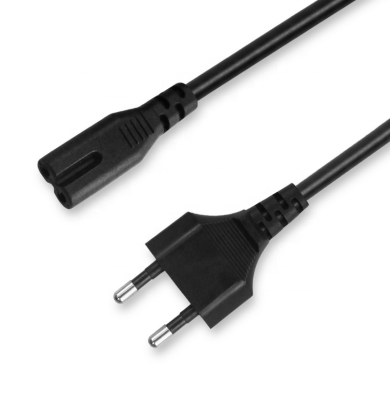
The complexity of the plug type and customization options also influences the final cost. Standard plugs, such as the European-Standard Plug or US Plug, are typically more affordable than custom-molded connectors. However, the market data indicates that customization is available for color, length, and plug configuration. While "Any Color Is Available" and "Any Length Is Available" are listed as attributes, these customizations often incur additional tooling or setup fees. The packaging requirements, such as "393922cm Carton" or "Roll or Spool Packing," can also impact logistics costs and, by extension, the unit price.
Minimum Order Quantity (MOQ) is another critical cost driver. Observed data shows an MOQ range from 10 to 5000 units. For small buyers, a high MOQ can significantly increase the per-unit cost due to the need to hold inventory. Conversely, larger orders often benefit from economies of scale, reducing the unit price. Buyers should carefully calculate the total cost of ownership, including storage and capital tied up in inventory, rather than focusing solely on the unit price. The availability of free samples is a positive indicator, allowing buyers to test the product before committing to a large order, though this may not offset the initial cost of the sample itself.
Typical Applications and Usage Scenarios
The versatility of 3-core power cords makes them suitable for a wide array of applications. The primary use case identified in the market data is for home appliances. These cords provide the necessary connection between the mains supply and devices such as refrigerators, washing machines, and kitchen appliances. The grounding feature is particularly important in these applications to prevent electric shock in the event of a fault.
Beyond home appliances, these cords are also utilized in the internal wiring of electronic and electrical equipment. This application requires precise adherence to current and voltage ratings to ensure the safety and longevity of the equipment. The "Insulated" and "Stranded" characteristics of the wire make them ideal for internal routing where flexibility and protection against abrasion are required. The "Waterproof" attribute mentioned in some product descriptions suggests that certain models are designed for outdoor use or environments with high humidity, expanding their applicability to industrial or outdoor lighting systems.
The specific plug type determines the regional applicability of the cord. A US Plug is suitable for North American markets, while a European-Standard Plug is required for European installations. Buyers must ensure that the plug type matches the socket standards of the destination country to avoid compatibility issues. The "Any Length Is Available" attribute allows for customization to fit specific installation constraints, whether in a compact consumer device or a large industrial machine.
Supplier Evaluation and Quality Assurance
Evaluating a supplier for 3-core power cords requires a multi-faceted approach that goes beyond checking a product listing. The first step is to verify the supplier's production capacity and location. Data indicates that many suppliers originate from China, with an annual capacity reaching 300,000 kilometers. This scale suggests the ability to handle large orders, but it also necessitates a thorough audit of their quality control processes. Buyers should inquire about the supplier's Factory Management Standard, specifically looking for ISO9001:2008 certification, which indicates a commitment to consistent quality.
Quality control should be integrated into the procurement process from the outset. Buyers must request detailed specifications for the conductor material, insulation thickness, and sheath durability. The "Conductor Material: Copper" and "Insulating Materials: PTFE" or "PVC" should be verified through material analysis or supplier documentation. Additionally, the "Sample: Free Sample Available" attribute provides an opportunity to physically inspect the product for build quality, flexibility, and plug fit.
Lead time is another critical factor in supplier evaluation. Observed data shows a delivery time for samples of 7-10 days and a mass production lead time of 7-30 days. These timelines can vary based on order volume and customization requirements. Buyers should establish clear communication channels to monitor production progress and ensure that delivery schedules are met. The packaging method, whether "Standard Export Carton" or "Roll or Spool Packing," should be agreed upon to prevent damage during transit.
Long-Term Procurement Considerations
Sourcing 3-core power cords is not a one-time transaction but a long-term relationship that requires ongoing management. One of the primary considerations is the stability of the supply chain. Given the reliance on copper and other raw materials, buyers should assess the supplier's ability to manage price volatility and secure raw materials during market fluctuations. A supplier with a robust supply chain management system is better positioned to maintain consistent pricing and delivery schedules.
Another long-term consideration is the adaptability of the supplier to changing regulations. As environmental standards evolve, such as updates to RoHS or the introduction of new chemical restrictions, suppliers must be able to adapt their production processes accordingly. Buyers should prioritize suppliers who demonstrate a proactive approach to compliance and have a track record of staying ahead of regulatory changes.
Finally, the scalability of the supplier is crucial for businesses with growth plans. A supplier with an annual capacity of 300,000 kilometers can accommodate significant increases in order volume, but buyers must ensure that this capacity does not compromise quality. Establishing a partnership with a supplier that offers flexible customization options, such as "Any Color Is Available" or "Customize" standards, can provide a competitive advantage by allowing for product differentiation. By focusing on these long-term factors, buyers can secure a reliable supply of high-quality 3-core power cords that meet their technical and compliance needs.
Comparative Analysis of Product Attributes
To facilitate a clearer understanding of the variations in the market, the following table summarizes key attributes observed across different product listings. This comparison highlights the diversity in specifications and helps buyers identify the specific requirements for their procurement needs.
| Attribute | Observation 1 | Observation 2 | Observation 3 |
|---|---|---|---|
| Conductor Material | Copper | Copper | Copper |
| Insulation Material | PVC | PTFE | PVC |
| Current Rating | 10A / 13A | 15A | AC Cable |
| Voltage Rating | 125V | 250V | High Voltage Cable |
| Plug Type | European-Standard Plug | US Plug | Customized |
| Certification | RoHS, ISO | RoHS | SAA, RoHS |
| Packing | 393922cm Carton | Export Carton | Roll or Spool |
| Lead Time (Mass) | 7-30 days | 7-30 days | 7-30 days |
| Origin | China | China | China |
| Customization | Available | Available | Available |
This table underscores the importance of verifying specific attributes against the buyer's requirements. While the core material and origin remain consistent, variations in insulation, voltage, and plug type necessitate careful selection. By systematically evaluating these attributes, buyers can ensure that the selected 3-core power cord meets all technical, safety, and compliance standards required for their specific application.
FAQs
Can I get a free sample of the rohs compliant 3-core power cord?
Yes, free samples are available for this product line to verify quality before bulk orders. Buyers should note that sample delivery typically takes 7 to 10 days, while mass production requires 7 to 30 days depending on order volume and customization needs.
What certifications does the rohs compliant 3-core power cord hold?
The product holds RoHS, ISO, and SAA safety approvals to ensure compliance with environmental and safety standards. Specific models may also meet Reach standards, and the conductor material is verified as copper to guarantee efficient power transmission.
Which plug types are available for the rohs compliant 3-core power cord?
Available plug types include the European-Standard Plug and the US Plug to match regional socket requirements. Buyers can also request customized configurations, as the product supports various plug types to suit specific application needs like home appliances or industrial equipment.
How is the rohs compliant 3-core power cord packaged for export?
Packaging options include standard export cartons with dimensions like 39 by 39 by 22 cm or roll and spool packing. Some units are wrapped in stretch film to prevent damage during transit, ensuring the product arrives in optimal condition for immediate installation.
What is the minimum order quantity for the rohs compliant 3-core power cord?
The minimum order quantity ranges from 10 to 5000 units depending on the specific model and customization level. Buyers should consider that larger orders often benefit from economies of scale, while smaller orders may incur higher per-unit costs due to setup fees.
Can the length and color of the rohs compliant 3-core power cord be customized?
Yes, any length and color are available to meet specific installation or branding requirements. This customization allows buyers to select from standard colors like black or orange, or request unique shades, ensuring the cord fits perfectly within their equipment or facility constraints.
What is the annual production capacity for the rohs compliant 3-core power cord?
The supplier has an annual production capacity of 300,000 kilometers, ensuring they can handle large volume orders efficiently. This high capacity supports consistent supply for businesses requiring significant quantities while maintaining the required RoHS and ISO quality standards.