Find Sensor Solutions for Sliding Doors, Motion Control, and Tracking
Source 30 verified Sensor products including digital and magnetic types for sliding door operators, motion control, and thermal imaging systems. Compare specifications from suppliers in Japan and China to find the right fit for your industrial automation needs.
Key considerations
Products List


$30.00 - $60.00
MOQ: 10 Pieces


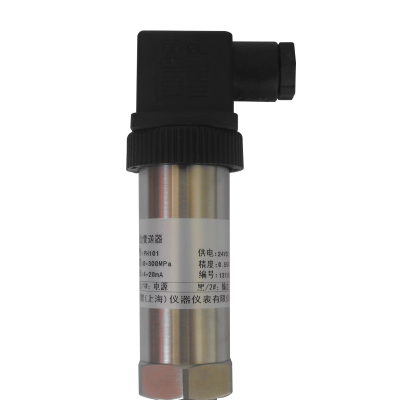
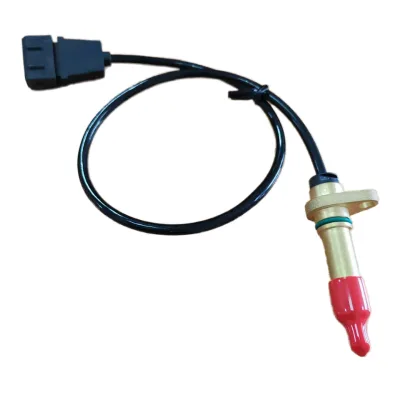


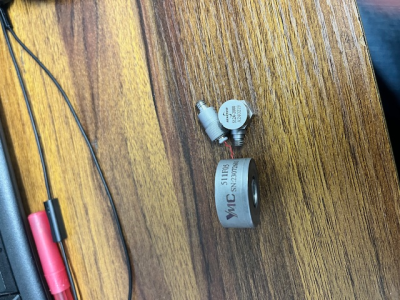
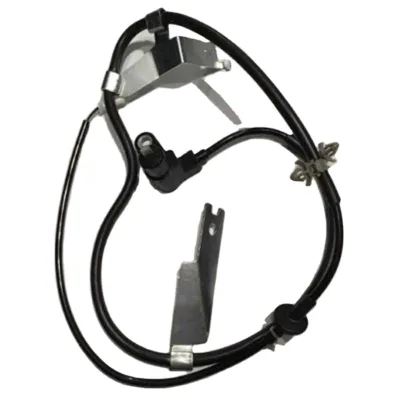

Negotiable
MOQ: 1 Pieces


Comprehensive Sourcing Guide
Strategic Sourcing Guide for Industrial Sensors
Navigating the global market for industrial sensors requires a disciplined approach that balances technical precision with supply chain reliability. For procurement professionals, the core keyword "Sensor" encompasses a vast array of devices designed to detect changes in the physical environment and convert them into readable signals. The diversity of available technologies, ranging from magnetic and piezoelectric mechanisms to thermal imaging systems, necessitates a rigorous evaluation framework. This guide outlines the critical factors buyers must consider when sourcing sensors, focusing on the specific attributes observed in current market listings while adhering to strict evidence-based verification protocols.
Technical Specification Analysis and Functional Diversity
The first step in any Sensor procurement process is a deep dive into technical specifications. The market presents a wide spectrum of functional types, each suited for distinct operational environments. Buyers must distinguish between sensors designed for motion detection, position sensing, and complex tracking systems. For instance, specific product listings indicate a "Motion" function alongside "Position Sensor" usage, suggesting devices capable of detecting both movement and static location. Furthermore, the underlying theory of operation varies significantly; observed data includes "Magnetic Sensor" technologies, "Piezoelectric" types, and "Microbolometer" detection types, the latter being integral to thermal imaging and infrared range systems.
When evaluating functional types, procurement teams should look for specific configurations such as "Search and Tracking System," "Thermal Imaging System," and "Infrared Range and Communication System." These advanced capabilities often imply a higher level of integration and processing power. The output signal type is another critical technical parameter. Listings frequently specify "Digital Sensor" and "Digital Output" capabilities, which are essential for modern industrial automation systems that rely on binary data transmission. Additionally, the presence of various encoder types, including "Incremental Encoder," "Absolute Encoder," and "Industrial Ethernet Absolute Encoder," indicates a need for precise feedback loops in servo motor and industrial automation applications. Buyers must verify that the selected Sensor's output signal type matches the input requirements of their control systems to ensure seamless integration.
Compliance, Certification, and Regulatory Standards
Compliance with international standards is non-negotiable in the procurement of industrial sensors. The safety and reliability of these components often depend on their adherence to rigorous certification protocols. Observed market data highlights "CE" certification as a common standard, indicating conformity with health, safety, and environmental protection standards for products sold within the European Economic Area. However, buyers should not assume that all listed products possess this certification without direct verification from the supplier.
Beyond specific certifications, the "IP Protection Level" is a vital metric for environmental durability. The data indicates a range of protection levels, with specific mentions of "IP54" and "IP67." An IP54 rating suggests protection against limited dust ingress and water splashes, whereas IP67 denotes complete dust tightness and protection against temporary immersion in water. Procurement teams must match these ratings to the operational environment of the Sensor; for example, outdoor or wash-down applications require higher IP ratings than controlled indoor environments.
Furthermore, the "Standard" attribute in product listings can refer to various metrics, including weight standards like "0.5kg" or "188g," or specific model standards such as "OA03 Combination Slide Door Sensor." It is crucial for buyers to distinguish between performance standards and physical specifications. When a listing mentions "ISO/TSISOMain Market" in the context of certification, it suggests a focus on specific industry sectors, but the exact scope of this standard must be clarified with the supplier. Buyers should always request the latest certification documents to ensure that the Sensor meets the regulatory requirements of their specific region and industry.
Cost Drivers and Pricing Dynamics
Understanding the cost structure of sensors is essential for budget management and total cost of ownership (TCO) analysis. The observed price range in the market spans from $0.10 to $955.88 USD, reflecting the vast difference between simple passive components and complex, multi-function systems. This wide variance is driven by several key factors, including the complexity of the internal technology, the accuracy grade, and the level of customization.
Accuracy is a primary cost driver. Listings specify an "Accuracy Grade" of "0.1g," which implies a high-precision application, likely in weighing or measurement systems. Higher accuracy grades typically command a premium price due to the tighter tolerances and advanced calibration required during manufacturing. Similarly, the "Production Process" plays a significant role; "Injection" molding is a common method for producing Sensor housings, but the quality of the materials, such as "Steel" or other alloys, will influence the final cost.
Customization is another major variable. While some products are listed as "Non-Customized," others offer "Customization" services. Customized solutions, such as those tailored to "The Customer Needs," often involve higher unit costs and potentially longer lead times. However, they can reduce integration costs downstream by ensuring a perfect fit for the application. Buyers must weigh the upfront cost of customization against the potential savings in installation and maintenance. Additionally, the "MOQ" (Minimum Order Quantity) ranges from 1 to 5000 units, which significantly impacts the per-unit price. Larger orders typically benefit from economies of scale, whereas small-batch procurement may require a higher unit price.
Typical Applications and Industry Use Cases
Sensors are ubiquitous across various industries, but their specific applications dictate the required specifications. The data points to several distinct use cases. "Sliding or Swing Door Operators" represent a common application for motion and position sensors, where reliability is paramount for safety and efficiency. In these scenarios, sensors must reliably detect door movement and position to prevent accidents and ensure smooth operation.
Another significant application area is "Industrial Automation," where sensors serve as the eyes and ears of the production line. Here, the integration of "Servo Motor Encoder," "Draw Wire Encoder," and "Magnet Gear Encoder" is critical for precise motion control. These components are often found in robotics, CNC machines, and automated assembly lines. The "Position" attribute, such as "Front," further refines the application, indicating where the Sensor is mounted relative to the machinery.
Thermal imaging and infrared systems, identified by "Microbolometer" detection and "Infrared Range and Communication System" functions, are used in security, surveillance, and predictive maintenance. These sensors can detect heat signatures, making them invaluable for fire detection, building inspection, and security monitoring. The "Ocean Freight" and "Carton" packaging options suggest that these sensors are often shipped globally, requiring robust packaging to withstand long-distance transport. Buyers should align the Sensor's function with their specific operational needs, ensuring that the device can handle the environmental and functional demands of the intended application.
Supplier Evaluation and Geographic Considerations
Selecting the right supplier is as important as selecting the right product. The market data indicates that sensors originate from various locations, including "Japan" and "China." Each origin point carries different implications regarding quality, lead times, and cost. Japanese manufacturers are often associated with high precision and reliability, particularly in the electronics and automation sectors. Chinese manufacturers may offer competitive pricing and flexibility in customization, but buyers must rigorously verify quality control processes.
When evaluating suppliers, procurement teams should look for evidence of a robust "Production Process" and adherence to standards. The mention of "Standard Carton Case" and "Plastic Bag, Carton, Pallet or Customized" packaging indicates that suppliers vary in their logistical capabilities. A supplier offering "Customized" packing options may be better equipped to handle specialized shipping requirements. Additionally, the "Main Market" data, which includes regions like "South America," "North America," "Eastern Europe," and "Western Europe," suggests that suppliers with a global footprint may have more experience navigating international trade regulations and logistics.
Buyers should also consider the supplier's ability to provide technical support and after-sales service. The complexity of sensors, especially those with "Industrial Ethernet" capabilities or "Absolute Encoder" functions, often requires specialized knowledge for installation and troubleshooting. A supplier with a strong presence in the buyer's region can provide faster response times and better support.
Quality Control and Long-Term Procurement Strategy
Ensuring long-term reliability requires a proactive quality control strategy. Buyers must verify that the sensors meet the specified "Accuracy Grade" and "IP Rating" through independent testing or third-party verification. The "Output Signal Type" must be consistent across all units in a batch to prevent integration issues. Regular quality audits of the supplier's production line can help identify potential defects before they reach the buyer.
Long-term procurement considerations also include supply chain resilience. The "MOQ" range of 1 to 5000 units suggests that buyers can scale their orders based on demand, but they must plan for potential supply disruptions. Diversifying the supplier base and maintaining a buffer stock of critical components can mitigate risks. Additionally, buyers should monitor the "Standard" and "Certification" status of their suppliers to ensure ongoing compliance with evolving regulations.
Finally, the "Theory" and "Function" of the Sensor should be re-evaluated periodically as technology advances. A Sensor that is adequate today may become obsolete tomorrow if a more efficient or accurate technology emerges. By staying informed about industry trends and maintaining a flexible procurement strategy, buyers can ensure that their Sensor solutions remain effective and cost-efficient over the long term.
Conclusion
Sourcing industrial sensors is a complex task that demands a thorough understanding of technical specifications, compliance requirements, and market dynamics. By carefully analyzing the functional diversity, verifying certifications, and evaluating cost drivers, buyers can make informed decisions that align with their operational goals. The wide range of options available, from simple motion detectors to advanced thermal imaging systems, offers significant opportunities for optimization. However, success depends on a disciplined approach to supplier evaluation and quality control. As the market continues to evolve, maintaining a focus on evidence-based verification and strategic planning will be essential for securing reliable and high-performance Sensor solutions.
FAQs
What customization options are available for industrial sensors?
Customization is available for many Sensor models to meet specific customer needs. Some products are offered as non-customized standard units, while others allow tailored specifications. Buyers should verify the customization status with the supplier before ordering to ensure the device fits their application requirements.
Which IP protection levels are common for these sensors?
Common IP protection levels include IP54 and IP67, depending on the specific model. IP54 offers protection against limited dust and water splashes, while IP67 provides complete dust tightness and protection against temporary immersion. Select the rating that matches your operational environment to ensure durability.
Can sensors be sourced from manufacturers in Japan?
Yes, sensors can be sourced from manufacturers located in Japan. Some product listings explicitly state Japan as the origin point for specific models. Buyers should confirm the country of origin with the supplier to verify the manufacturing location and associated quality standards.
What certifications do these sensors typically hold?
Many sensors hold CE certification, indicating conformity with European health and safety standards. Some listings also reference ISO standards or specific industry certifications. Buyers must request current certification documents to ensure the Sensor meets the regulatory requirements of their specific region.
How does the MOQ affect Sensor pricing?
The minimum order quantity ranges from 1 to 5000 units, significantly impacting the per-unit price. Larger orders typically benefit from economies of scale, while small-batch procurement may require a higher unit cost. Buyers should balance their order volume with budget constraints to optimize total costs.
What output signal types are available for automation systems?
Available output signal types include Digital Sensor and Digital Output signals. These are essential for modern industrial automation systems requiring binary data transmission. Ensure the selected Sensor's output matches your control system's input requirements for seamless integration and reliable operation.
Which materials are used to construct these sensors?
Steel is a common material used in the construction of these sensors for durability. The production process often involves injection molding for housings. Buyers should verify the specific material composition to ensure the Sensor can withstand the environmental conditions of their intended application.