Find Set Top Box for Telephone, Mobile Phone, and Server
Source 30 verified Set Top Box options including IPTV and Android TV models with 4K support. Buyers can compare specifications like CPU cores, memory, and certifications such as CE and RoHS across suppliers in China.
Key considerations
Products List


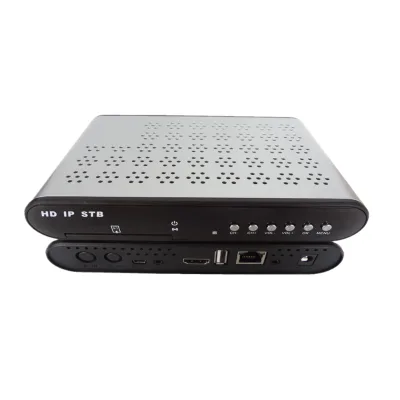
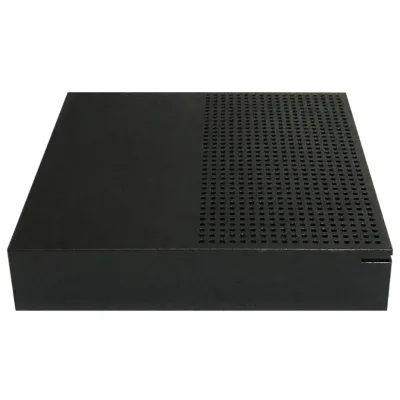
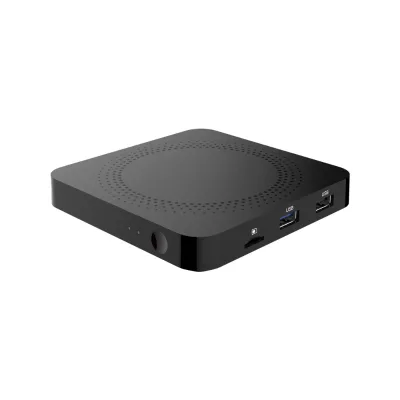

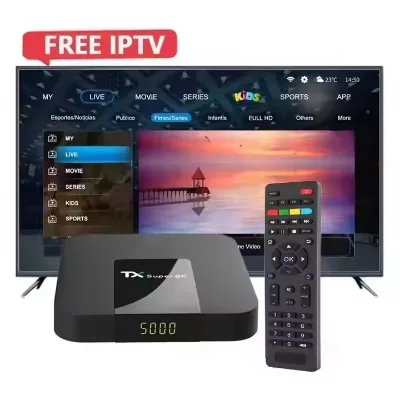


Comprehensive Sourcing Guide
Strategic Sourcing Guide for Set-Top Box Procurement
The global demand for digital video distribution and smart television integration has elevated the set-top box (STB) to a critical component in modern media infrastructure. For B2B buyers, navigating the procurement of these devices requires a disciplined approach that balances technical performance, regulatory compliance, and supply chain reliability. The current market offers a diverse array of units ranging from basic DVB receivers to advanced Android-based OTT boxes capable of 8K resolution. This guide synthesizes observed market data and technical attributes to provide a framework for evaluating potential suppliers and products without relying on unverified claims or specific vendor recommendations.
Technical Architecture and Performance Specifications
When evaluating set-top boxes, the internal architecture dictates the device's capability to handle modern streaming protocols and high-resolution content. The observed product landscape reveals a clear segmentation based on processor cores and memory configurations. High-performance units are frequently equipped with Quad Core processors, which are essential for managing complex user interfaces and simultaneous decoding tasks. Specific models in the current market utilize master control chips such as the Hi3798, H313, and Hi3798m, indicating a reliance on established semiconductor architectures known for stability in video processing.
Memory and storage are equally critical determinants of performance. Buyers should verify that the selected unit possesses sufficient Random Access Memory (RAM) and Read-Only Memory (ROM) to support smooth operation. Observed configurations include units with 2GB of RAM and 8GB of ROM, which serve as a baseline for standard functionality. However, for devices targeting 4K, 6K, or even 8K support, higher specifications may be necessary to prevent latency during high-bitrate streaming. The support for multiple resolutions is a key differentiator; while many units support 4K, specific models explicitly advertise capabilities for 6K and 8K, requiring careful verification of the actual hardware limits versus marketing claims.
Connectivity features also define the versatility of the set-top box. The presence of dual-band WiFi (2.4G/5G) is a standard expectation for modern units, ensuring stable connections in environments with varying signal interference. Bluetooth support is often integrated to facilitate peripheral connectivity, such as remote controls or audio devices. Furthermore, the distinction between One-Way and Two-Way functionality is vital for procurement decisions. One-Way boxes are typically sufficient for standard broadcast reception, whereas Two-Way units enable interactive services, video-on-demand, and return-path data transmission, which are essential for advanced IPTV and server-based applications.
Compliance, Certification, and Regulatory Standards
Navigating the regulatory landscape is a non-negotiable aspect of B2B procurement. Set-top boxes intended for international distribution must adhere to strict safety and electromagnetic compatibility standards. The observed market data indicates that compliant products often carry a suite of certifications including CE, RoHS, ISO, FCC, and CCC. These certifications are not merely labels but evidence of adherence to specific safety and environmental protocols. For instance, CE compliance is mandatory for entry into the European market, while FCC certification is required for the United States. RoHS compliance ensures that the device does not contain restricted hazardous substances, which is increasingly a requirement for corporate procurement policies.
Buyers must verify that the certification status is current and applicable to the specific region of deployment. The presence of a "CE RoHS Compliant" attribute suggests a baseline level of adherence, but it is prudent to request valid test reports or certificates of conformity for each batch. Additionally, the product standard specifications, such as physical dimensions (e.g., 10x10x2cm, 11x4x2cm) and weight (e.g., 0.2kg, 0.3kg), should be cross-referenced with packaging and logistics requirements. These physical standards impact shipping costs and storage efficiency. The origin of the product, often cited as Hubei, China, or generally China, should be documented to assess the supply chain's geographic risks and to ensure that the manufacturing location aligns with the buyer's trade compliance requirements.
Cost Drivers and Pricing Dynamics
The pricing of set-top boxes is influenced by a complex interplay of hardware specifications, certification costs, and order volume. The observed price range in the market spans from $1.80 to $99.00 USD, reflecting the vast diversity in product quality and functionality. The lower end of this spectrum typically corresponds to basic DVB receivers with minimal processing power and standard packaging, while the higher end encompasses advanced Android TV boxes with high-resolution support, robust processors, and premium packaging.
Minimum Order Quantity (MOQ) is a significant factor in determining the effective unit cost. The market data shows an MOQ range from 1 to 2000 units. Suppliers offering low MOQs, such as single units or small batches, often charge a premium per unit to cover setup and logistics costs. Conversely, bulk orders approaching the upper limit of the MOQ range can unlock significant cost savings. Buyers should also consider the customization options available. The ability to customize firmware, branding, and packaging can add value but may also introduce additional costs or lead time extensions.
Typical Applications and Deployment Scenarios
Set-top boxes serve a wide array of applications, from residential entertainment to enterprise-grade server management. The observed usage categories include Telephone, Mobile phone, Server, Workstation, Computer, and Laptop, indicating that these devices are often integrated into broader IT ecosystems. In the residential sector, the primary function is IPTV delivery, allowing users to access live television and on-demand content via internet protocols. The "Smart Android TV Box" category is particularly popular for this purpose, offering a flexible platform for installing various streaming applications.
In commercial and enterprise environments, the deployment of set-top boxes often involves server integration. The "Wholesale TV Server Xtream Code" models suggest a use case in managed service providers or large-scale distribution networks where content is streamed to multiple endpoints. The distinction between DVB-C (Cable) and OTT (Over-The-Top) standards is crucial here. DVB-C boxes are designed for traditional cable infrastructure, while OTT boxes rely on internet connectivity. Some units support double decoding, which may be necessary for hybrid environments where both broadcast and internet streams are utilized simultaneously. Understanding the specific application environment is essential for selecting the correct standard and ensuring compatibility with existing infrastructure.
Supplier Evaluation and Quality Assurance
Selecting a reliable supplier requires a rigorous evaluation process that goes beyond price comparisons. Buyers should prioritize suppliers who demonstrate transparency regarding their manufacturing processes and quality control measures. The availability of OEM (Original Equipment Manufacturer) support is a strong indicator of a supplier's flexibility and capability to meet specific client requirements. This includes the ability to customize firmware, such as English language support, and to adapt the hardware to specific regional standards.
Quality assurance should be a continuous process rather than a one-time check. Buyers must verify that the "Condition" of the products is consistently "New" and that the packaging, whether Plastic Box or Color Box, protects the device during transit. The standard packaging dimensions and weight should be confirmed to ensure they meet logistics expectations. Furthermore, the supplier's ability to handle small orders while maintaining quality for large volumes is a key performance indicator. The acceptance of small orders suggests a flexible supply chain, but buyers must ensure that the quality does not degrade for smaller batches.
Long-Term Procurement and Supply Chain Resilience
Long-term success in set-top box procurement depends on the stability of the supply chain and the supplier's ability to adapt to technological changes. The rapid evolution of video standards, such as the transition from 4K to 8K, requires suppliers to have a roadmap for product updates. Buyers should assess the supplier's commitment to future-proofing their inventory by offering models that support the latest standards and resolutions.
Lead times and production capacity are also critical considerations. While specific lead times are not provided in the general data, the MOQ range and customization options imply that production schedules can vary significantly. Buyers should establish clear communication channels with suppliers to manage expectations regarding delivery schedules, especially for customized orders. The origin of the product, specifically the Hubei region in China, should be monitored for any regional disruptions that could impact supply. Building a relationship with a supplier who offers consistent quality, reliable certifications, and flexible order terms will mitigate risks and ensure a steady supply of high-quality set-top boxes.
Comparative Analysis of Product Attributes
To facilitate decision-making, the following table summarizes key attributes observed in the current market, highlighting the variations in specifications and standards.
| Attribute Category | Observed Variations | Procurement Consideration |
|---|---|---|
| Processor Core | Quad Core, Hi3798, H313, Hi3798m | Verify core count for 4K/8K performance needs. |
| Memory Configuration | 2GB RAM / 8GB ROM | Ensure sufficient RAM for smooth multitasking. |
| Resolution Support | 4K, 6K, 8K | Match resolution capability to display hardware. |
| Connectivity | 2.4G/5G WiFi, Bluetooth | Confirm dual-band support for stable streaming. |
| Functionality | One-Way, Two-Way, IPTV, DVB-C | Select based on network architecture requirements. |
| Certifications | CE, RoHS, ISO, FCC, CCC | Verify region-specific compliance before ordering. |
| Packaging | Plastic Box, Color Box | Assess packaging durability for logistics. |
| Customization | Firmware, OEM, Color | Confirm availability of branding and software mods. |
By adhering to these guidelines and leveraging the observed data, buyers can make informed decisions that align with their technical requirements and business objectives. The focus on verified attributes, compliance, and supplier flexibility ensures a robust procurement strategy in the dynamic set-top box market.
FAQs
What certifications do set top boxes typically have?
Compliant units often carry CE, RoHS, ISO, FCC, and CCC certifications. These marks indicate adherence to safety and environmental standards required for international distribution and specific regional markets.
Which processor cores are common in smart TV boxes?
High-performance units frequently utilize Quad Core processors with master control chips like Hi3798 or H313. These architectures ensure stability for handling complex interfaces and simultaneous decoding tasks.
Can I find set top boxes with 8K resolution support?
Yes, specific models explicitly advertise capabilities for 4K, 6K, and 8K support. Buyers must verify the actual hardware limits against marketing claims to ensure compatibility with high-resolution displays.
What is the typical memory configuration for these devices?
Observed configurations include units with 2GB of RAM and 8GB of ROM as a baseline. Higher specifications may be necessary for devices targeting 4K or 8K streaming to prevent latency.
How do One-Way and Two-Way functions differ?
One-Way boxes are typically sufficient for standard broadcast reception. Two-Way units enable interactive services, video-on-demand, and return-path data transmission essential for advanced IPTV applications.
What is the price range for wholesale set top boxes?
The observed price range spans from 1.8 to 99 USD depending on functionality. Lower prices correspond to basic DVB receivers while higher costs cover advanced Android TV boxes with premium features.
Which packaging types are available for these products?
Products are available in Plastic Box Packaging or Color Box Packaging. The physical dimensions and weight vary by model, impacting shipping costs and storage efficiency for bulk orders.