Find Sheepskin Rug for Home Decoration, Hotel, and Bath
Source 30 verified listings for Sheepskin Rug featuring natural sheepskin fur, customizable colors, and anti-slip backing. Buyers can compare specifications like size, thickness, and material to find suitable options for home decoration, hotel, and bath applications.
Key considerations
Products List
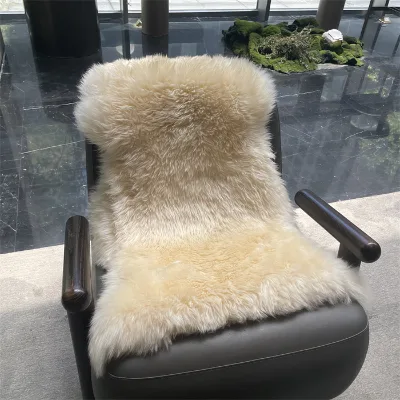
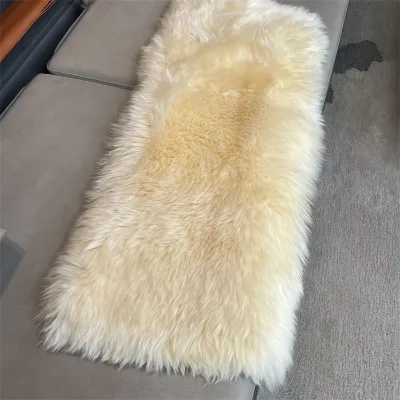
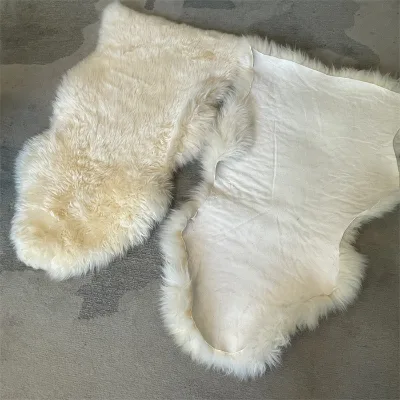
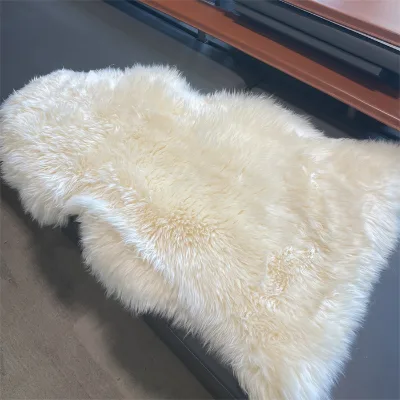
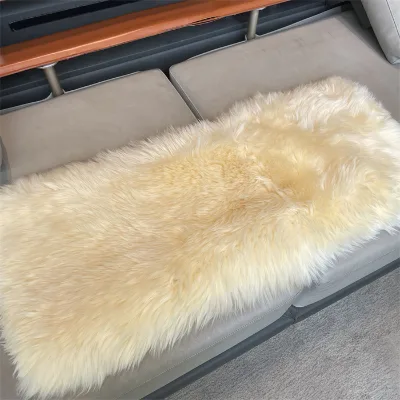
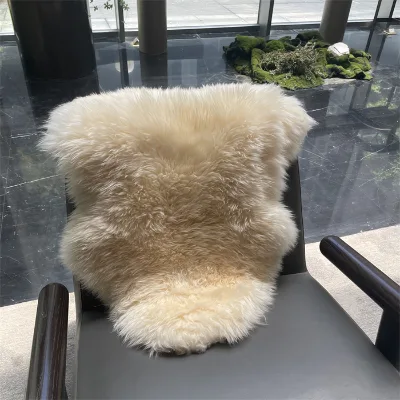


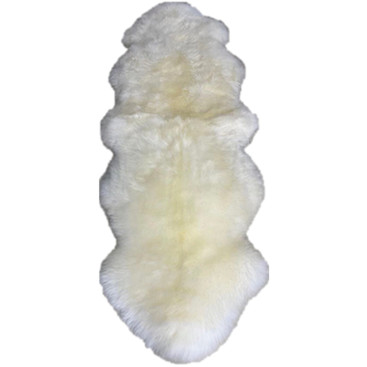
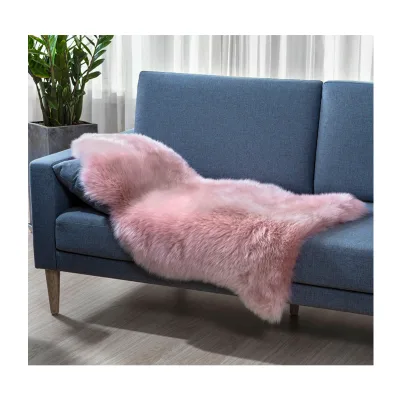
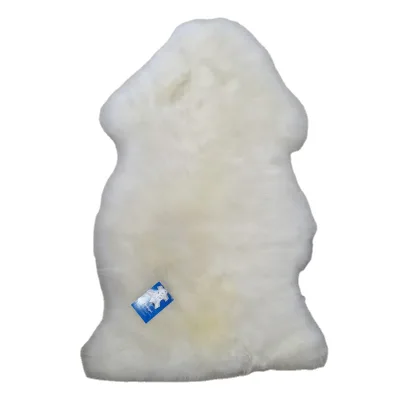
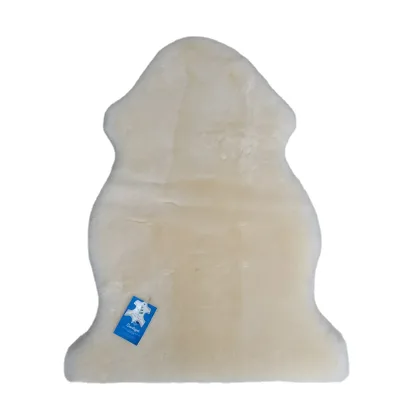
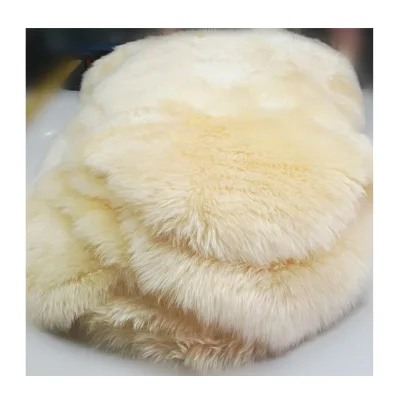
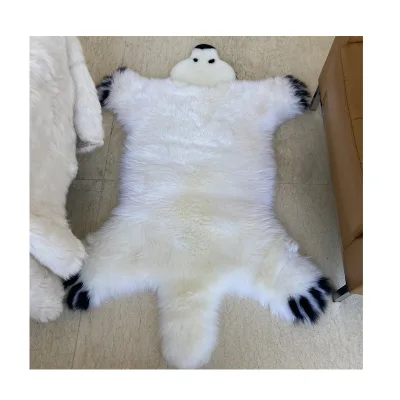


Comprehensive Sourcing Guide
Strategic Sourcing Guide for Sheepskin Rugs in the B2B Market
Procuring sheepskin rugs for commercial or retail distribution requires a nuanced understanding of material properties, manufacturing capabilities, and supply chain logistics. The global market for natural sheepskin products is driven by demand for premium home textiles, hotel amenities, and specialized interior design elements. Buyers must navigate a landscape where product attributes vary significantly between suppliers, even when the core keyword remains consistent. This guide outlines the critical factors for sourcing high-quality sheepskin rugs, focusing on technical specifications, supplier verification, and quality assurance protocols based on industry standards and observed market data.
Technical Specifications and Material Composition
The foundation of any Sheepskin Rug procurement strategy lies in the precise definition of technical specifications. Unlike synthetic alternatives, natural sheepskin presents unique characteristics that must be documented and verified. The primary material is natural sheepskin fur, which offers distinct thermal properties and a soft, durable texture. Buyers should expect variations in pile density and fur length, as these directly impact the tactile experience and visual appeal of the final product.
Key technical attributes observed in the market include a high-density structure that ensures the rug remains smooth and durable under foot traffic. The fur pelt itself is often described as soft, a critical factor for products intended for home decoration or hotel use. Thickness is a vital specification; observed data indicates a standard thickness of approximately 6mm, though this can vary based on the specific pelt grade and tanning process. The backing material is equally important for functionality. Common backing options include suede or DOT (Durable Outdoor Textile) materials, which provide stability and prevent slipping.
Size and weight parameters are essential for logistics planning. Standard dimensions often include sizes such as 30" x 45" or larger custom cuts like 185 cm x 60 cm and up. The weight of a single unit can range from approximately 650g to 2kg, depending on the size and density of the pelt. Packaging dimensions also influence shipping costs; a typical single package might measure 50x50x3 cm or 60x90x3 cm, with a gross weight of around 1.5 kg per unit. Buyers must verify these metrics against their specific inventory requirements, as discrepancies can lead to unexpected freight charges or storage issues.
Compliance, Certification, and Safety Standards
When sourcing natural animal products, compliance with international safety and environmental standards is paramount. While specific certification statuses like Oeko-Tex are often sought after in the textile industry, buyers must verify the actual certification status of each supplier rather than assuming compliance based on general market trends. The presence of such certifications should be confirmed through direct documentation from the manufacturer.
Safety and quality are non-negotiable in the home textile sector. Products intended for use in hotels, bathrooms, or prayer areas must meet strict hygiene and durability standards. The "Excellent" quality rating often cited by manufacturers implies a rigorous selection process for raw materials, but this is an internal claim that requires third-party validation for B2B transactions. Buyers should request test reports regarding chemical treatments, dye fastness, and allergen content, particularly for products marketed as hypoallergenic or suitable for sensitive environments.
Furthermore, the origin of the product plays a significant role in compliance. Products originating from Hebei, China, are common in this sector, but buyers must ensure that the supply chain adheres to local and international regulations regarding animal welfare and environmental impact. The "China Professional Manufacturer" designation suggests a level of industrial maturity, yet it does not automatically guarantee adherence to specific global standards without explicit verification.
Cost Drivers and Pricing Dynamics
Understanding the cost structure of sheepskin rugs is essential for budgeting and margin analysis. The price of these products is influenced by several factors, including the grade of the raw pelt, the complexity of the tanning process, and the level of customization required. Observed price ranges in the market can vary widely, with some listings indicating a range from $0 to $108 USD. However, this broad range often includes a mix of sample units, low-grade items, and premium custom orders, making it difficult to derive a single standard price point without specific product details.
Minimum Order Quantity (MOQ) is another significant cost driver. While some suppliers may offer low MOQs of 100 pieces, others might require orders up to 500 units. The ability to negotiate MOQs can significantly impact the unit cost, as larger orders typically benefit from economies of scale. Additionally, the availability of customization, such as specific colors like ivory, white, or other dyed options, can add to the production cost. Custom colors often require separate dye lots and quality control checks, which may increase the lead time and price.
Payment terms also affect the financial dynamics of the procurement process. Common terms include TT (Telegraphic Transfer), PayPal, and credit arrangements. Buyers should evaluate these options based on their cash flow needs and risk tolerance. The supply ability of the manufacturer, often cited as 50,000 pieces per month, suggests a capacity to handle large orders, but this capacity must be balanced against the current order backlog and production scheduling.
Typical Applications and Usage Scenarios
Sheepskin rugs are versatile products with applications across various sectors. The primary use case is home decoration, where they serve as area rugs in living rooms, bedrooms, and entryways. Their soft texture and aesthetic appeal make them ideal for modern design schemes. Beyond residential use, these rugs are frequently utilized in the hospitality industry for hotels, providing a touch of luxury in guest rooms and lobbies.
Specialized applications include use in bathrooms, where the natural absorbency of the sheepskin can be beneficial, and in prayer areas, where the soft surface offers comfort during prolonged periods of kneeling. The "Raw" pattern and "Modern" design styles observed in the market cater to contemporary interior trends, while the "Hand Made" production technique adds a unique artisanal value that appeals to high-end consumers.
The versatility extends to seasonal usage as well. These rugs are suitable for all seasons, providing warmth in autumn and winter while remaining breathable in spring and summer. This year-round utility makes them a reliable inventory item for retailers looking to maintain consistent sales throughout the year. The "Anti-Slip" feature is particularly relevant for applications in bathrooms and entryways, ensuring safety and stability.
Supplier Evaluation and Business Verification
Selecting the right supplier is a critical step in the procurement process. Buyers should prioritize manufacturers who demonstrate a clear business structure and a history of reliable performance. The designation of "China Professional Manufacturer" indicates a focus on industrial production, but buyers must verify the specific capabilities of the supplier. Key evaluation criteria include the supplier's ability to provide samples, their production capacity, and their responsiveness to customization requests.
The availability of samples is a crucial indicator of a supplier's confidence in their product quality. Most reputable suppliers offer sample units, allowing buyers to physically inspect the texture, weight, and backing before committing to a large order. The sample process also provides an opportunity to test the "Machine Washable" claim, ensuring that the rug maintains its integrity after cleaning.
Buyers should also assess the supplier's logistical capabilities. Shipping terms such as "by sea, by air, and by express" offer flexibility in delivery methods, allowing buyers to choose the most cost-effective or time-sensitive option based on their needs. The packaging details, which may include cartons or OEM (Original Equipment Manufacturer) packaging, should be reviewed to ensure they meet the buyer's branding and protection requirements.
Quality Control and Inspection Protocols
Implementing a robust quality control (QC) protocol is essential to mitigate risks associated with sourcing natural products. Given the variability in natural sheepskin, consistent quality can be challenging to maintain. Buyers should establish clear acceptance criteria based on the observed specifications, such as thickness, weight, and color consistency. The "Excellent" quality claim should be validated through random sampling and rigorous inspection upon receipt of goods.
Inspection should cover multiple aspects, including the integrity of the fur pelt, the adhesion of the backing, and the accuracy of the dimensions. The "Hand Made" nature of the production process means that minor variations are expected, but significant deviations from the agreed specifications should be rejected. Buyers should also verify the "Customized" attributes, ensuring that the requested colors and sizes match the final product exactly.
For large orders, it is advisable to conduct pre-shipment inspections or hire third-party inspection agencies to verify the quality before the goods leave the factory. This step helps prevent costly returns and ensures that the delivered products meet the buyer's standards. The "Single package size" and "Single gross weight" should be verified against the packing list to ensure accurate shipping documentation.
Long-Term Procurement Considerations
Sourcing sheepskin rugs is not just a one-time transaction but a long-term relationship that requires strategic planning. Buyers should consider the scalability of the supplier's operations, as evidenced by their "Supply Ability" of 50,000 pieces per month. This capacity ensures that the supplier can meet growing demand without compromising quality or delivery times.
Sustainability and ethical sourcing are increasingly important considerations for modern buyers. While specific certification details may not always be available, buyers should inquire about the supplier's practices regarding animal welfare and environmental impact. The "Customized" nature of the products allows for flexibility in meeting specific market demands, but it also requires a supplier with a responsive and adaptable production line.
Finally, buyers should plan for the lifecycle of the product. The "Machine Washable" feature and "Anti-Slip" backing contribute to the longevity and usability of the rugs, making them a durable investment. By focusing on these long-term attributes, buyers can build a product line that offers value to their customers and maintains a strong reputation in the market.
FAQs
What is the minimum order quantity for sheepskin rugs?
The minimum order quantity is 100 pieces. This standard applies to most listings, though some suppliers may accept orders starting from 1 unit depending on specific customization needs.
Can I request custom colors for the sheepskin rugs?
Yes, customization is available for colors like ivory, white, and other dyed options. Buyers can specify unique requirements to match their interior design or branding needs.
How thick are the standard Sheepskin Rug pelts?
The standard thickness is 6mm. This dimension ensures a smooth and durable texture suitable for home decoration and high-traffic areas like hotels and bathrooms.
Where are these sheepskin rugs manufactured?
These rugs originate from Hebei, China. The location is a known hub for professional manufacturers producing natural sheepskin fur products with hand-made techniques.
What are the available shipping methods for these rugs?
Shipping is available by sea, by air, and by express. This flexibility allows buyers to choose the most cost-effective or time-sensitive delivery method for their orders.
Are samples available for testing before bulk orders?
Samples are available for supply and testing. This allows buyers to verify the excellent quality, weight, and machine-washable features before committing to a larger purchase.
What is the production capacity of the manufacturer?
The supply ability is 50,000 pieces per month. This capacity supports large-scale orders while maintaining the quality standards required for commercial and retail distribution.