Source Shock Absorber Parts for Trucks, Cars, and Buses
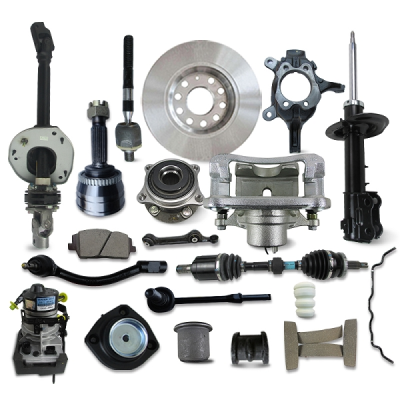
Find 30 Shock Absorber components suitable for Hyundai and Kia vehicles, including rear suspension control arms. Compare specifications for steel and plastic materials, various OE numbers, and packaging options to identify the right fit for your automotive needs.
Key considerations
Products List




Comprehensive Sourcing Guide
Shock Absorber Sourcing Guide
Sourcing shock absorbers requires a disciplined approach to balancing performance, durability, and cost efficiency. These components are critical for vehicle safety and ride comfort, functioning to dampen oscillations from road irregularities and maintain tire contact with the surface. Buyers must navigate a complex supply chain that includes original equipment manufacturer (OEM) parts, high-quality aftermarket alternatives, and generic copies. The decision between these categories hinges on specific operational needs, warranty requirements, and target market expectations. Understanding the distinct characteristics of each quality tier is the first step in developing a robust procurement strategy that mitigates risk while meeting budgetary constraints.
The global market for suspension components is diverse, with manufacturing hubs concentrated in regions known for automotive industrial strength. Sourcing decisions often involve evaluating suppliers from major automotive production centers, such as China and Korea, which offer varying advantages in terms of pricing, lead times, and technological specialization. Buyers should recognize that origin does not solely dictate quality; rather, it influences logistics costs and supply chain resilience. Establishing clear communication channels with suppliers in these regions is essential for managing expectations regarding production schedules, packaging standards, and shipping methods. A well-structured sourcing plan accounts for these geographical nuances to ensure timely delivery and consistent product availability.
Product Scope and Observed Listing Signals
The current market landscape for shock absorbers reveals a wide spectrum of product attributes and listing signals that buyers must interpret carefully. Observed data indicates a significant price range, spanning from low-cost options to premium-priced units, reflecting the disparity between basic replacement parts and high-performance suspension components. Minimum order quantities (MOQs) also vary drastically, starting from single units for sample testing or small-scale repairs up to large bulk orders for fleet maintenance or retail distribution. This variability allows buyers to scale their procurement efforts according to immediate demand, but it also necessitates careful evaluation of unit economics and inventory holding costs.
Listing signals further highlight the importance of customization and specific model compatibility. Many suppliers offer customization services, allowing buyers to tailor products to specific vehicle makes and models, such as Hyundai and Kia, or to meet unique customer requirements. The presence of specific OE numbers in product descriptions serves as a critical verification tool for compatibility, ensuring that the purchased shock absorbers fit the intended application without modification. Buyers should prioritize listings that provide detailed model numbers and OE references, as these details reduce the risk of ordering incorrect parts and streamline the installation process for end-users.
Technical Specifications to Verify
Verifying technical specifications is paramount to ensuring that shock absorbers meet the performance standards required for their intended application. Key attributes to confirm include the material composition, which often involves a combination of steel, aluminum, and rubber to optimize strength, weight, and vibration damping. The physical dimensions and weight of the product are also critical, as they impact packaging efficiency and shipping costs. Buyers should request detailed single package size and gross weight data to accurately calculate logistics expenses and warehouse storage requirements. Additionally, the type of Shock Absorber, whether it is designed for front or rear installation, must be clearly specified to prevent compatibility issues.
Compatibility with specific vehicle models is another vital technical consideration. Shock absorbers are often designed for specific car makes and models, and verifying this alignment is essential for successful integration. Buyers should cross-reference product model numbers with vehicle specifications to ensure a precise fit. Furthermore, the standard of the product, whether it adheres to universal standards or specific customer needs, should be clarified. Understanding these technical nuances helps buyers avoid costly returns and ensures that the final product delivers the expected ride quality and safety performance.
Compliance and Safety Documentation
Compliance and safety documentation are non-negotiable aspects of sourcing shock absorbers, particularly for markets with stringent regulatory requirements. Buyers must ensure that suppliers can provide necessary certifications, such as ISO standards for quality management, environmental management, and occupational health and safety. These certifications indicate that the supplier adheres to established best practices in manufacturing and operational management, reducing the risk of defects and ensuring consistent product quality. While specific certification statuses may vary, the presence of these documents is a strong indicator of a supplier’s commitment to compliance and continuous improvement.
In addition to certifications, buyers should verify that the products meet relevant safety standards for automotive components. This includes ensuring that the shock absorbers have undergone appropriate testing for durability, performance, and reliability. Documentation such as test reports or quality assurance certificates can provide evidence of these validations. Buyers should also confirm that the products are labeled correctly with all necessary information, including part numbers, origin, and safety warnings. Proper labeling and documentation not only facilitate customs clearance but also enhance the professionalism and trustworthiness of the supplied products in the eyes of end-users.
Cost Drivers and Commercial Terms
Understanding the cost drivers and commercial terms is essential for developing a competitive and sustainable procurement strategy. The price of shock absorbers is influenced by factors such as material costs, manufacturing complexity, and order volume. Buyers should negotiate favorable terms based on their expected purchase volume, leveraging economies of scale to reduce unit costs. Payment terms, such as Telegraphic Transfer (TT), PayPal, Western Union, or Trade Assurance, offer varying levels of security and flexibility. Selecting the appropriate payment method can mitigate financial risk and ensure smooth transactions with suppliers.
Shipping and logistics costs also play a significant role in the total cost of ownership. Buyers should consider the available shipping options, such as DHL, FedEx, UPS, EMS, and TNT, and evaluate their speed, reliability, and cost. The choice of shipping method should align with the urgency of the order and the budget constraints. Additionally, buyers should clarify the packaging standards, whether products are packed on pallets or in individual boxes, as this affects handling and storage efficiency. Negotiating clear delivery times and shipping terms helps avoid delays and ensures that inventory levels are maintained to meet customer demand.
Supplier Qualification and Quality Control
Supplier qualification and quality control are critical steps in mitigating the risks associated with sourcing shock absorbers. Buyers should conduct thorough due diligence on potential suppliers, assessing their production capabilities, quality management systems, and track record. Requesting samples is a valuable practice to evaluate the physical quality, fit, and performance of the products before committing to large orders. Suppliers that offer sample charges demonstrate confidence in their products and provide buyers with an opportunity to verify specifications firsthand.
Establishing a robust quality control process is equally important. Buyers should define clear quality standards and inspection criteria, and consider implementing third-party inspections for large orders. Regular communication with suppliers regarding quality issues and feedback helps maintain high standards and fosters a collaborative relationship. Additionally, buyers should verify the warranty terms offered by suppliers, ensuring that they provide adequate protection against defects. A clear warranty policy, such as a 12-month warranty, indicates the supplier’s confidence in the durability and reliability of their products.
Long-Term Procurement Checks
Long-term procurement checks involve continuous monitoring and evaluation of supplier performance and market trends. Buyers should establish key performance indicators (KPIs) to track metrics such as delivery times, product quality, and customer satisfaction. Regular reviews of these metrics help identify areas for improvement and ensure that suppliers remain aligned with the buyer’s expectations. Building a diversified supplier base can also mitigate risks associated with supply chain disruptions and price volatility.
Staying informed about industry developments and technological advancements is essential for maintaining a competitive edge. Buyers should regularly assess the market for new products, materials, and manufacturing techniques that could enhance the performance or cost-effectiveness of their Shock Absorber sourcing. Engaging with industry networks and attending trade shows can provide valuable insights and opportunities for networking with potential suppliers. By maintaining a proactive and informed approach, buyers can optimize their procurement strategies and ensure long-term success in the automotive parts market.
FAQs
What customization options are available for shock absorbers?
Customization is available for these shock absorbers to meet specific buyer needs. The products can be tailored according to customer requirements while maintaining original or copy quality standards for various vehicle models.
Which materials are used to manufacture these shock absorbers?
These shock absorbers are constructed from steel, plastic, and a combination of steel, aluminum, and rubber. The material selection ensures durability and performance suitable for auto suspension systems and bumper applications.
Can I order a single piece as a sample?
Yes, you can order a single piece as the minimum order quantity is one piece. However, samples are charged separately, and payment can be made via TT, PayPal, Western Union, or Trade Assurance.
What is the warranty period for these auto parts?
The warranty period for these shock absorbers is 12 months from the date of purchase. This coverage applies to the product quality, which is described as high, ensuring reliability for the buyer.
How fast can the supplier deliver the order?
The delivery time is as fast as possible, depending on the specific order requirements. Shipping methods include DHL, FedEx, UPS, EMS, and TNT, with ports available in Guangzhou, Ningbo, Shanghai, and Shenzhen.
Which car models are compatible with these shock absorbers?
These shock absorbers are suitable for Hyundai and Kia car models. They also fit Korea cars and come with various OE numbers to ensure compatibility with specific suspension system requirements.