Source shower door fitting for Bathroom, Hotel, and Office
Find and compare shower door fitting options from 30 verified suppliers. Buyers can evaluate glass thickness, handle materials, and customization services for bathroom, hotel, and office applications.
Key considerations
Products List


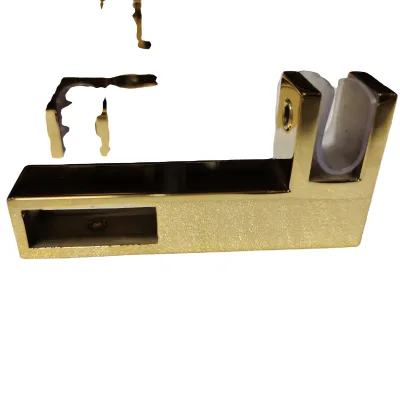
Shower Door Hardware Wall to Glass Shower Hinge Sliding Glass Door Fitting
$15.00 - $15.40
Moq: 100000




Comprehensive Sourcing Guide
Strategic Sourcing Guide for Shower Door Fittings and Hardware
Understanding Technical Specifications and Material Composition
When sourcing shower door fittings, the primary objective is to identify components that ensure structural integrity, safety, and aesthetic consistency within wet environments. The technical landscape for these fittings is defined by specific material grades and dimensional tolerances. Based on current market data, the core materials utilized for high-performance fittings include Stainless Steel grades SS304 and SS316, as well as Brass. The selection between these materials is critical; SS304 offers robust corrosion resistance suitable for standard residential applications, while SS316 provides enhanced protection against chloride-induced corrosion, making it preferable for coastal regions or high-humidity commercial spaces.
The physical dimensions of the fittings must align precisely with the glass thickness and door configuration. Observed specifications indicate that glass thicknesses for these systems typically range from 8mm to 12mm, with specific configurations requiring 8mm or 10mm tempered glass. Fittings designed for these applications must accommodate glass thicknesses greater than 15mm in certain heavy-duty scenarios. The frame style further dictates the fitting requirements; frameless designs demand high-strength hinges and clamps capable of supporting the full weight of the glass without a surrounding metal frame. In contrast, framed systems may utilize different mounting mechanisms.
The geometry of the door operation is another vital technical parameter. Fittings are categorized by the number of doors, with single-door and double-door configurations requiring distinct hinge sets and handle placements. The handle direction is equally specific, with options available for transverse (horizontal) and vertical orientations. Furthermore, the surface finishing of the frame and fittings plays a significant role in both durability and visual appeal. Common finishing processes include polished and brushed treatments, which not only enhance the aesthetic but also influence the maintenance requirements of the hardware. The shape of the door, whether rectangular or custom, also necessitates specific fitting geometries to ensure smooth sliding or swinging motion.
Compliance, Certification, and Safety Standards
Navigating the regulatory landscape is essential for procurement professionals to mitigate liability and ensure product safety. Shower door fittings and the associated glass systems must adhere to rigorous international and regional standards. The supplied data confirms that compliant products often carry ISO and CE certifications, which indicate adherence to quality management systems and European safety directives, respectively. Additionally, specific components, such as basins or integrated fixtures, may require Cupc approval, signifying compliance with plumbing and safety codes in North American markets.
A critical safety requirement for shower door systems is the mandatory use of toughened or tempered glass. This is not merely a preference but a safety imperative to prevent injury in the event of breakage. The glass must be treated to ensure it shatters into small, granular pieces rather than sharp shards. Buyers must verify that the "Attention" labels on product documentation explicitly state that the glass must be toughened. The standard for this treatment is often referenced as "Glass Must Be Toughened," a non-negotiable attribute for any fitting system designed to hold such glass.
Furthermore, the origin of the product influences the applicable standards. Products originating from Ningbo or Guangdong, China, are subject to specific export regulations and quality benchmarks. While the data mentions "As per item or OEM&ODM service for your choice" regarding standards, this implies that buyers should explicitly define the required certification during the specification phase. Relying on generic standards without verification can lead to non-compliance in the destination market. Therefore, the procurement process must include a verification step where the supplier provides valid certification documents for the specific model, such as model 03222 or PR-GL001, ensuring that the claimed ISO or CE status is current and applicable to the specific hardware batch.
Cost Drivers and Pricing Dynamics
The pricing structure for shower door fittings is influenced by a complex interplay of material costs, customization levels, and order volume. The observed market price range spans from $0.78 to $200, reflecting the vast diversity in product complexity and material quality. At the lower end of the spectrum, prices likely correspond to basic hardware components or smaller order quantities with standard finishes. Conversely, the upper end of the price range is driven by premium materials like SS316, custom engineering for unique door configurations, and specialized surface treatments such as brushed or polished finishes.
Order Volume is a primary determinant of unit cost. The Minimum Order Quantity (MOQ) varies significantly, ranging from 1 unit for sample orders or small custom projects to 100,000 units for large-scale industrial contracts. Specific product lines may have fixed MOQs, such as 100 pieces or 500 pieces, which directly impact the per-unit economics. Buyers must balance the need for inventory against the cash flow implications of high MOQs. For instance, a supplier requiring a 500-piece MOQ might offer a lower unit price than one allowing a 100-piece order, but the total capital outlay will be higher.
Customization is another significant cost driver. The availability of customization options allows buyers to tailor products to specific architectural needs, but this flexibility often incurs additional costs. Custom sizes, specific handle directions, and unique frame surface finishes can increase the manufacturing complexity and time. Additionally, packaging requirements, such as the use of plywood crates versus standard cartons, can affect the final landed cost. The term "Fob" (Free on Board) indicates that the price quoted typically covers the cost of goods and transport to the port of origin, excluding international freight and insurance. Buyers must factor in these logistics costs when evaluating the total cost of ownership, as the base price of the fitting is only one component of the overall procurement expense.
Typical Applications and Usage Scenarios
Shower door fittings are designed for a wide array of applications, ranging from residential bathrooms to large-scale commercial facilities. The versatility of these fittings allows them to be deployed in various environments, including bathrooms, washrooms, shower rooms, offices, hotels, and private houses. The specific application dictates the durability and aesthetic requirements of the fittings. In residential settings, the focus is often on aesthetic appeal and ease of use, with a preference for chrome finishes and smooth-operating handles. In commercial environments like hotels and offices, the emphasis shifts towards high traffic durability, frequent cleaning requirements, and robust security features.
The design of the fitting must align with the intended usage. For example, sliding door mechanisms require fittings that can support the weight of the glass while minimizing friction and wear over time. The "Open Style: Sliding" attribute indicates a specific mechanism that relies on high-quality rollers and tracks. In contrast, hinged doors require fittings with precise hinge angles, such as the 90-degree hinges noted in the specifications, to ensure the door swings smoothly and seals correctly. The application also influences the choice of glass type; clear, frosted, laminated, or tinted glass may be selected based on privacy needs and lighting conditions within the specific room.
Furthermore, the environmental conditions of the application site must be considered. High-humidity areas require fittings with superior corrosion resistance, reinforcing the need for SS316 or brass materials. The "Good Package Shower Door" attribute suggests that packaging is designed to protect the fittings during transit, which is crucial for maintaining their condition until installation. Whether the project is a new construction or a renovation, the fittings must be compatible with existing door thicknesses and frame styles. The ability to customize size and handle direction ensures that the fittings can be adapted to fit a wide variety of architectural designs, making them suitable for both standard and bespoke projects.
Supplier Evaluation and Quality Assurance Protocols
Selecting a reliable supplier is paramount to ensuring the longevity and safety of the shower door system. A thorough evaluation process should focus on the supplier's track record, manufacturing capabilities, and quality control measures. The data indicates that reputable suppliers implement strict quality control protocols, such as 100% inspection by QC before shipping. This step is critical for identifying defects in the fittings, such as surface imperfections, incorrect dimensions, or faulty plating, before the products leave the factory.
Suppliers should be evaluated based on their origin and logistical capabilities. Products originating from established manufacturing hubs like Ningbo and Guangdong, China, often benefit from mature supply chains and specialized expertise in metalworking and glass fitting production. However, the location alone is not a guarantee of quality; buyers must verify the supplier's specific capabilities regarding the required standards and certifications. The ability to provide OEM and ODM services is a strong indicator of a supplier's flexibility and technical competence, allowing them to meet unique client requirements.
Packaging standards are another key evaluation criterion. The observed packaging methods, including plastic protective films, foam bags, boxes, and cartons, demonstrate an awareness of the need to protect delicate fittings during transit. For larger orders, the use of plywood crates may be necessary to prevent damage. Buyers should request samples of the packaging to ensure it meets their shipping requirements. Additionally, the warranty period, typically observed as 2 years in the market, serves as a benchmark for supplier confidence in their product quality. A supplier offering a robust warranty is more likely to stand behind their products and address any post-installation issues promptly.
Long-Term Procurement Considerations and Maintenance
Sourcing shower door fittings is not merely a transactional event but a long-term commitment that affects the maintenance and lifecycle of the facility. Buyers must consider the ease of maintenance and the availability of replacement parts when selecting a supplier. The choice of material and finish directly impacts the cleaning regimen required. For instance, brushed finishes may hide water spots better than polished chrome, while stainless steel generally requires less maintenance than brass in certain environments. Understanding these nuances helps in selecting fittings that align with the facility's maintenance capabilities.
The warranty terms, such as the 2-year coverage observed in the market, provide a safety net for buyers but should be reviewed carefully. Buyers must understand what is covered, including manufacturing defects versus wear and tear, and the process for claiming warranty support. Long-term procurement also involves managing inventory and lead times. The lead time can vary based on the customization level and order volume, with some suppliers offering faster turnaround for standard items and longer periods for custom orders. Establishing a reliable supply chain with clear communication channels ensures that replacement parts are available when needed, minimizing downtime.
Finally, buyers should plan for scalability. As facilities expand or undergo renovations, the ability to source matching fittings is crucial. Suppliers that offer consistent quality across batches and maintain a wide range of compatible products are preferable. The customization options, such as the ability to specify glass thickness and handle direction, should be leveraged to ensure future compatibility. By focusing on these long-term factors, buyers can secure a procurement strategy that delivers value over the entire lifecycle of the shower door system, rather than just at the point of initial purchase.
FAQs
What materials are used for shower door fittings?
Stainless steel grades SS304 and SS316, along with brass, are commonly used for high-performance fittings. These materials ensure robust corrosion resistance suitable for wet environments like bathrooms and hotels.
Which glass thicknesses are compatible with these fittings?
Fittings typically accommodate glass thicknesses ranging from 8mm to 12mm, with specific heavy-duty configurations supporting thicknesses greater than 15mm. The glass must always be toughened to ensure safety during use.
Can I find frameless shower door fittings with custom sizes?
Yes, customization is available for frameless designs requiring specific sizes and handle directions. Buyers can request tailored dimensions while ensuring the fittings meet ISO and CE standards for structural integrity.
What certifications do compliant shower door fittings carry?
Compliant products often carry ISO and CE certifications indicating adherence to quality and safety directives. Specific components may also require Cupc approval for North American plumbing and safety code compliance.
How do MOQs vary for shower door fitting orders?
Minimum Order Quantities range from 1 unit for samples to 100,000 units for large contracts. Specific product lines may enforce fixed MOQs of 100 or 500 pieces, directly impacting per-unit economics.
What warranty periods are standard for these fittings?
A standard warranty period of 2 years is typically offered by suppliers. This benchmark reflects supplier confidence in product quality and their commitment to addressing post-installation issues promptly.