Source Silent Soft Closing Ghost Door for Homes, Offices, Hotels
Compare 30 Silent Soft Closing Ghost Door options from verified suppliers. Buyers can evaluate sliding and swing styles, aluminum and wood materials, and customization features for residential and commercial projects; compare the available evidence and request quotations based on your requirements.
Key considerations
Products List

Hidden Ghost Door Trackless Soft-Closing Sliding Glass Door System Aluminum Invisible Doors
$44.50 - $49.80
MOQ: 2 Square Meters

Modern Aluminum Ghost Door Silent Sliding Interior Door System for Bedroom Hotel
$44.50 - $49.80
MOQ: 2 Square Meters

System Room Magic Interior Mirror Glass Concealed Hidden Track Sliding Ghost Door
$44.50 - $49.80
MOQ: 2 Square Meters

Aluminum Glass Ghost Door with Hidden Track Minimalist Interior Sliding Door
$44.50 - $49.80
MOQ: 2 Square Meters

Trackless Ghost Door Aluminium Glass Sliding Door System Hidden Sliding Interior Door
$44.50 - $49.80
MOQ: 2 Square Meters

Aluminum Glass Sliding Door with Screen Soundproof Ghost Sliding Doors
$58.00 - $69.00
MOQ: 2 Square Meters


Sliding Ghost Door Aluminum Frame Glass Door with Soft Closing Sliding System
$95.00 - $110.00
MOQ: 100 Pieces


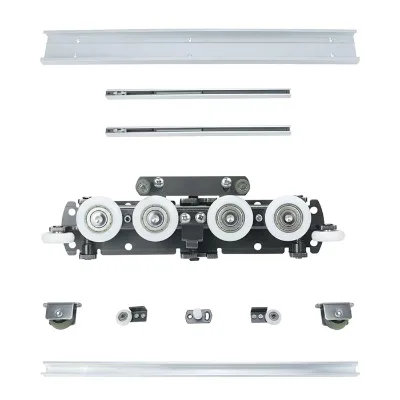


European Modern Smart Automatic Magic Ghost Track Sliding Door System Ghost Door Sliding Hidden Door
$190.00 - $230.00
MOQ: 2 Square Meters
Comprehensive Sourcing Guide
Silent Soft Closing Ghost Door Sourcing Guide
Procuring silent soft closing ghost doors requires a nuanced understanding of both the mechanical hardware and the architectural integration of the product. These systems are designed to minimize visual impact while maximizing acoustic performance and user convenience. Buyers must distinguish between true ghost doors, which often feature minimal framing and specialized sliding mechanisms, and standard sliding or swing doors that may merely include soft-close dampers. The core keyword suggests a focus on invisibility and quiet operation, which typically involves concealed tracks, high-density grid inner frames, and precision-engineered aluminum alloys. Understanding these distinctions is critical for aligning supplier capabilities with specific project requirements, ensuring that the final installation meets both aesthetic and functional expectations without compromising structural integrity or long-term durability.
The sourcing process also demands careful attention to customization options and material specifications, as ghost doors are rarely off-the-shelf items. Suppliers often offer flexible configurations, including varying glass thicknesses, frame layouts, and surface finishes, to suit diverse interior design schemes. Buyers should prioritize suppliers who provide detailed technical drawings and clear customization protocols, as this indicates a higher level of engineering competence. Additionally, the choice between sliding and swing mechanisms significantly impacts the installation process and the overall cost structure. Evaluating these factors early in the sourcing journey helps prevent costly revisions and ensures that the selected product aligns with the project’s timeline, budget, and performance goals, ultimately leading to a more successful procurement outcome.
Product Scope and Observed Listing Signals
The observed market signals indicate a diverse range of products that may or may not fully align with the strict definition of a ghost door. Listings show variations in open styles, including both sliding and swing mechanisms, which suggests that buyers must carefully filter results to find true ghost door configurations. Some products feature high-density grid inner frames and aluminum alloy construction, which are common in modern sliding systems, while others may utilize solid wood or composite cores. The presence of 8mm glass and 5+20A+5 insulated glass units highlights the importance of verifying glazing specifications, as these directly impact thermal and acoustic performance. Buyers should scrutinize product models and descriptions to ensure that the "ghost" aesthetic, characterized by minimal visible hardware and seamless integration, is genuinely offered rather than being a marketing term for standard doors.
Further analysis of listing attributes reveals significant variability in customization capabilities and origin locations. Many suppliers indicate that customization is available, with options for specific sizes and finishes, which is essential for ghost doors that must fit precise architectural openings. Origins such as Foshan and Binzhou in China are noted, reflecting major manufacturing hubs for aluminum and wooden door products. However, the term "ghost door" is not always explicitly used in every listing, requiring buyers to infer product type from attributes like "invisible" functions or "sliding" mechanisms. It is crucial to verify that the supplier’s actual product matches the intended application, as some listings may describe general sliding doors with soft-close features rather than specialized ghost doors with concealed tracks and minimal framing.
Technical Specifications to Verify
Verifying technical specifications is paramount when sourcing silent soft closing ghost doors, as performance relies heavily on precise engineering and material quality. Buyers should confirm the aluminum material grade, with 6063-T5 being a common standard for extruded profiles, ensuring adequate strength and corrosion resistance. The inner frame layout, such as a high-density grid, contributes to structural stability and should be verified against load-bearing requirements. Glass specifications must be clearly defined, including thickness and insulation properties, as these affect both safety and energy efficiency. Additionally, the soft-closing mechanism itself requires scrutiny, as its durability and smoothness depend on the quality of the hardware and the precision of the installation. Buyers should request detailed technical data sheets that outline these specifications to ensure consistency across the order.
Surface finishing and treatment processes also play a critical role in the longevity and appearance of ghost doors. Finished surfaces should be inspected for uniformity and resistance to moisture, especially in high-humidity environments. The type of core material, whether it is a bridge-hole mechanical board, honeycomb core, or solid wood, impacts the door’s weight and acoustic properties. Buyers should verify that the hardware is of security-grade quality, particularly if the door serves as an entry point. Furthermore, the opening direction and pattern, whether horizontal or outward, must align with the architectural layout to ensure smooth operation. Confirming these technical details with the supplier before placing an order helps prevent mismatches and ensures that the final product meets the project’s performance and aesthetic standards.
Compliance and Safety Documentation
Compliance and safety documentation are essential components of the sourcing process, ensuring that ghost doors meet regulatory requirements and industry standards. Buyers should verify that suppliers hold relevant certifications, such as ISO, which indicates adherence to quality management systems. While specific safety ratings like "A" may be mentioned, buyers must clarify what these ratings entail and whether they align with local building codes. Documentation should also include test results for acoustic insulation, thermal performance, and structural integrity, providing objective evidence of the product’s capabilities. Requesting these documents early in the procurement process helps mitigate risks and ensures that the selected doors are suitable for their intended use, whether in residential or commercial settings.
In addition to certifications, buyers should inquire about the supplier’s production standards and quality control procedures. Standardized production processes, as indicated in some listings, suggest a higher level of consistency and reliability. However, buyers must confirm that these standards are actively enforced and documented. Safety features, such as anti-theft mechanisms and insect-proof screens, should be verified through product specifications and, if possible, through third-party testing reports. Ensuring that all compliance documentation is up-to-date and verifiable protects buyers from potential liabilities and ensures that the installed doors meet the highest safety and performance benchmarks. This diligence is particularly important for ghost doors, which often serve as critical elements in building security and energy efficiency.
Cost Drivers and Commercial Terms
Cost drivers for silent soft closing ghost doors are influenced by material choices, customization levels, and hardware quality. Aluminum alloy frames, high-density inner grids, and specialized glass units contribute significantly to the base cost, while custom sizes and finishes add further complexity and expense. Buyers should anticipate a wide price range, as observed in listings, reflecting the variability in product specifications and supplier pricing strategies. Commercial terms, such as FOB pricing and payment methods like T/T, are common but require careful negotiation to ensure favorable conditions. Understanding these cost drivers helps buyers budget accurately and make informed decisions about where to allocate resources for maximum value.
MOQs and lead times also impact the overall cost and project timeline. Some suppliers offer low MOQs, such as 2 pieces, which can be advantageous for small projects, while others may require higher volumes. Buyers should clarify these terms early to avoid unexpected costs or delays. Packing methods, whether wooden frames or box packing, affect shipping costs and product protection during transit. Additionally, the supplier’s location, such as Guangdong or other manufacturing hubs, influences logistics and lead times. By thoroughly understanding these commercial terms, buyers can negotiate better deals and ensure that the procurement process aligns with their project’s financial and scheduling constraints, ultimately leading to a more efficient and cost-effective sourcing outcome.
Supplier Qualification and Quality Control
Supplier qualification is a critical step in sourcing silent soft closing ghost doors, as it directly impacts product quality and reliability. Buyers should assess suppliers based on their production capabilities, quality control processes, and track record. Suppliers with standardized production methods and high stability ratings are generally more reliable, but buyers must verify these claims through site audits or third-party inspections. Quality control measures, such as moisture-resistant treatments and security-grade hardware checks, should be clearly defined and consistently applied. Engaging with suppliers who demonstrate a commitment to quality helps ensure that the final product meets the project’s specifications and performs as expected over time.
Building a strong relationship with qualified suppliers also facilitates better communication and problem-solving throughout the procurement process. Buyers should prioritize suppliers who offer responsive customer service and technical support, as this can be invaluable during installation and troubleshooting. Additionally, suppliers with a history of successful projects and positive client feedback are preferable, as they have proven their ability to deliver on time and to specification. By carefully evaluating supplier qualifications and establishing clear quality control expectations, buyers can mitigate risks and ensure a smooth sourcing experience. This diligence is essential for achieving the desired outcome and maintaining the integrity of the project’s design and performance goals.
Long-Term Procurement Checks
Long-term procurement checks are necessary to ensure that silent soft closing ghost doors continue to perform well over time. Buyers should establish a maintenance schedule that includes regular inspections of the soft-closing mechanisms, hardware, and glass units. Monitoring for signs of wear, such as squeaking noises or misalignment, allows for timely repairs and prevents more significant issues. Additionally, buyers should verify that the supplier offers ongoing support and spare parts availability, as this ensures that any necessary replacements can be sourced quickly. By implementing these long-term checks, buyers can extend the lifespan of the doors and maintain their aesthetic and functional qualities, providing a better return on investment.
Furthermore, staying informed about industry trends and technological advancements can help buyers make informed decisions about future upgrades or replacements. As new materials and mechanisms emerge, buyers may have opportunities to enhance the performance and efficiency of their ghost doors. Engaging with suppliers who are committed to innovation and continuous improvement ensures that buyers have access to the latest products and solutions. By maintaining a proactive approach to long-term procurement, buyers can ensure that their silent soft closing ghost doors remain a valuable asset to their property, delivering consistent performance and satisfaction for years to come.
FAQs
What materials are used for the ghost sliding door frame?
The frame is constructed from 6063-T5 aluminum alloy with a high-density grid inner layout. Some variants feature wood grafting for a solid wood appearance. This combination ensures structural stability while offering a modern architectural design suitable for interior applications.
Can the ghost sliding door be customized to specific sizes?
Yes, the product offers freedom to customize dimensions and specifications. Buyers can request specific sizes and styles, including sliding or swing opening patterns. The manufacturing process supports standardized production while accommodating unique architectural requirements for interior spaces.
What glass specifications are available for these interior doors?
The doors utilize 8mm glass or 5+20A+5 insulated glass configurations. These options provide soundproof and heat insulation properties. The glass is integrated into the aluminum alloy frame to ensure security and dust-proof performance for modern interior environments.
Which security features are included in the solid wood door model?
The solid wood door model includes security-grade hardware and an A-rated security level. It features anti-theft, airproof, and insect-proof functions. The design ensures high stability and moisture resistance for reliable long-term performance in various interior settings.
How is the product packed for shipping from China?
Products are packed in wooden frames or box packing to ensure safety during transit. The origin is Foshan, China, with some items sourced from Binzhou or Guangdong. This packaging method protects the finished surface and structural integrity of the door units.
What is the minimum order quantity for ghost sliding doors?
The minimum order quantity ranges from 2 pieces to 5000 units depending on the specific model. Some listings indicate an MOQ of 2 pieces for certain configurations. Buyers should verify the exact requirement based on the selected product model and customization needs.
Are there certifications available for the alloy door products?
Some models carry ISO certification to verify quality standards. The products are manufactured in China with standardized production processes. Buyers can request documentation to confirm compliance with relevant industry standards for alloy and solid wood door components.