Source Silica Gel Beads Desiccant for Industrial, Agricultural, and Medical Uses
Find and compare 18 listings for Silica Gel Beads Desiccant suitable for industrial, agricultural, and medical applications. Evaluate options based on particle size, moisture content, and packaging to select the right adsorbent for your drying needs.
Key considerations
Products List


Comprehensive Sourcing Guide
Silica Gel Beads Desiccant Sourcing Guide
Procuring silica gel beads requires a clear distinction between physical and chemical desiccant classifications, as the supplied data indicates both types are available in the market. Buyers must verify whether the specific batch is intended for moisture adsorption via physical pore structures or if it involves chemical reactions, as this dictates the regeneration capabilities and safety protocols required for the application. The observed product attributes highlight a primary focus on inorganic silicone materials with a main component of SiO2, which serves as the foundational chemistry for most industrial-grade desiccants.
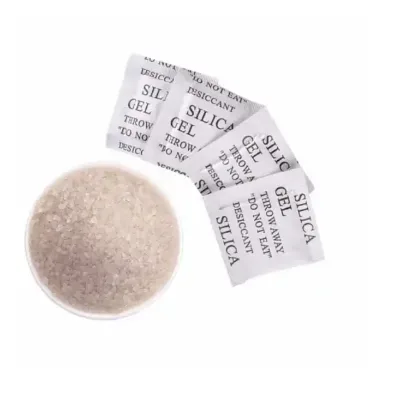
The sourcing landscape for these beads is characterized by a wide variance in particle sizes and packaging formats, ranging from small 1g sachets to massive 800kg jumbo bags. This variability suggests that procurement strategies must be tailored to the specific end-use, whether it is for household humidity control, industrial drying processes, or medical storage. Understanding the physical form, such as the observed bead or sphere shapes, is critical for ensuring compatibility with existing drying equipment and filtration systems.
Product Scope and Observed Listing Signals
The market listings for silica gel desiccants reveal a diverse range of particle size standards, including specific ranges like 0.5-1.5mm, 1-3mm, and 2-4mm, which directly influence the surface area and adsorption kinetics. Buyers should note that while some listings specify a single standard, others offer a broad spectrum from 1g up to 800kg, indicating that the product is available in both bulk industrial quantities and consumer-ready packaging. This variation necessitates a precise definition of the required particle size to ensure the desiccant performs effectively within the specific airflow or volume constraints of the intended application.
Observations of the product attributes also indicate the availability of different drying methods, with both static and dynamic drying processes noted in the supply chain. This distinction is vital for buyers assessing the energy efficiency and throughput capabilities of the manufacturing process, as dynamic drying often implies a continuous production line capable of higher volumes compared to static batch methods. Additionally, the presence of customization options allows suppliers to tailor the desiccant properties, such as color or specific particle dimensions, to meet unique client requirements without necessitating a complete change in the base material.
Technical Specifications to Verify
When evaluating the technical performance of silica gel beads, the loss on heating is a critical parameter that indicates the thermal stability and moisture retention capacity of the material. The observed data points to specific loss on heating values of 2%, 3%, and 5%, which serve as benchmarks for verifying the purity and dryness of the product before it enters the supply chain. Buyers must request test reports confirming that the specific batch meets the required threshold, as excessive loss on heating can signal residual moisture or impurities that compromise the desiccant's effectiveness.
The adsorption capacity and moisture content are equally essential specifications that determine the operational lifespan of the desiccant in a given environment. Listings indicate moisture content levels of less than 2% or 5%, and adsorption capacities at 80% relative humidity exceeding 30%, which are key metrics for calculating the required quantity for a specific project. Furthermore, the particle size pass rate, observed to be greater than 90%, ensures that the beads are uniform enough to prevent channeling in drying towers or clogging in packaging, making this a non-negotiable quality check for industrial applications.
Compliance and Safety Documentation
Safety and regulatory compliance for silica gel desiccants are primarily anchored in the availability of Material Safety Data Sheets (MSDS) and various international certifications. The supply data confirms that suppliers often provide ISO, DGM, and MSDS documentation, which are essential for verifying the chemical composition and handling instructions for the inorganic silicone material. Buyers should ensure that the MSDS is current and specific to the batch being purchased, as it provides the necessary guidance on first aid measures, fire-fighting protocols, and spill containment procedures.
Beyond basic safety data, the presence of quality management certifications such as ISO9001, ISO14001, and ISO45001 indicates a supplier's commitment to consistent manufacturing processes and environmental responsibility. These certifications are particularly relevant for applications in the medical, agricultural, and food industries, where regulatory bodies often mandate strict adherence to quality standards. Procurement teams must verify that the certificates are valid and issued by accredited bodies, ensuring that the supplier maintains the necessary controls to produce safe and reliable desiccant products.
Cost Drivers and Commercial Terms
The commercial structure for sourcing silica gel beads is influenced by a variety of trading terms, including FOB, CIF, CFR, EXW, and DAP, which dictate the point at which risk and cost transfer from the seller to the buyer. The observed payment terms are noted as negotiable, suggesting that buyers have leverage to structure deals based on their cash flow needs and the volume of the order. Understanding these terms is crucial for calculating the total landed cost, as shipping and insurance expenses can vary significantly depending on the chosen Incoterm and the origin location, which is frequently cited as China or Qingdao.
Minimum Order Quantities (MOQ) and packaging formats are significant cost drivers that affect the unit price and logistical efficiency of the procurement. The data shows an MOQ range from 1 ton to 5000 units, with packaging options ranging from 25kg bags to 800kg jumbo bags, allowing buyers to optimize their inventory levels and storage requirements. Selecting the appropriate packaging size can reduce handling costs and minimize waste, while adhering to the MOQ ensures that the supplier can maintain production efficiency without passing excessive costs onto the buyer.
Supplier Qualification and Quality Control
Supplier qualification for silica gel desiccants should focus on verifying the consistency of the production process and the reliability of the quality control measures in place. The observed product attributes, such as the specific chemical formula and main component of SiO2, require suppliers to demonstrate strict control over their raw materials and manufacturing steps to ensure the final product meets the specified standards. Buyers should request evidence of the supplier's ability to maintain the observed particle size pass rates and moisture content levels across multiple production batches.
Quality control checks must extend beyond the initial product delivery to include ongoing monitoring of the desiccant's performance in the field. Since the product is used in diverse applications ranging from industrial drying to household use, the supplier must be capable of providing consistent quality that meets the specific demands of each sector. Establishing a clear communication channel for reporting any deviations in color, shape, or adsorption capacity is essential for maintaining the integrity of the supply chain and ensuring that the desiccant performs as expected over time.
Long-Term Procurement Checks
Sustaining a reliable supply of silica gel beads requires regular audits of the supplier's production capabilities and adherence to the agreed-upon specifications. Buyers should implement a schedule for periodic testing of incoming shipments to verify that the loss on heating, moisture content, and particle size remain within the established ranges. This proactive approach helps identify any drift in quality before it impacts the end-user's operations, ensuring that the desiccant continues to provide the necessary protection against humidity and moisture damage.
Long-term procurement strategies should also account for the potential need for customization and the scalability of the supply chain. As the observed data indicates that customization is available, buyers should maintain a flexible relationship with their suppliers to accommodate changes in product requirements or market demands. Regular reviews of the supplier's certifications, such as ISO and DGM, ensure that they continue to meet the evolving regulatory landscape, securing a stable and compliant source of silica gel desiccants for future projects.
FAQs
What is the main chemical component of Silica Gel Beads Desiccant?
The main component is silicon dioxide, often represented by the chemical formula Msio2nh2o. This inorganic silicone material acts as a physical desiccant to adsorb moisture effectively. It is available in industrial and food grades, ensuring safety for various applications while maintaining high adsorption capacity under specific humidity conditions.
Which certifications are typically available for Silica Gel Beads Desiccant?
Common certifications include ISO, Dgm, MSDS, ISO9001, ISO14001, and ISO45001. These documents verify quality management and safety standards for the product. Buyers can rely on these credentials to ensure compliance with international regulations, particularly when sourcing from manufacturers in China for industrial or medical applications.
How is Silica Gel Beads Desiccant packaged for shipment?
Packaging options include 25kg bags, 25kg drums, 150kg drums, and 800kg jumbo bags. Smaller quantities may come in 20kg cartons or individual sachets ranging from 1g to 800kg. These flexible packaging solutions accommodate different logistics needs, ensuring the desiccant remains dry and effective during transport and storage.
Can Silica Gel Beads Desiccant be customized for specific needs?
Yes, customization is available for various industrial and household applications. Buyers can select specific particle sizes such as 0.5-1.5mm, 1-3mm, or 2-4mm. The product supports different drying methods and can be tailored for agricultural, industrial, or medical use, ensuring optimal performance for unique operational requirements.
What are the standard trading and payment terms for this product?
Trading terms include FOB, CIF, CFR, EXW, and DAP, offering flexibility for international logistics. Payment terms can be negotiated between buyers and suppliers. These standard conditions facilitate smooth transactions, allowing companies to manage costs and delivery schedules effectively while sourcing high-quality desiccant materials from verified manufacturers.
What is the typical moisture content limit for silica gel beads?
The moisture content is typically less than 2% or 5%, depending on the specific grade. The loss on heating is also controlled, often at 3% or less than 5%. These strict limits ensure the desiccant maintains its adsorption efficiency, making it suitable for sensitive applications requiring low humidity environments.