Source Spring Clamps for Pipe, Auto, and Industrial Uses
Compare 30 Spring Clamps from verified suppliers with options for pipe, automotive, and industrial applications. Buyers can review specifications like size, material, and customization support to find the right heavy-duty clamp for their needs; compare the available evidence and request quotations based on your requirements.
Key considerations
Products List

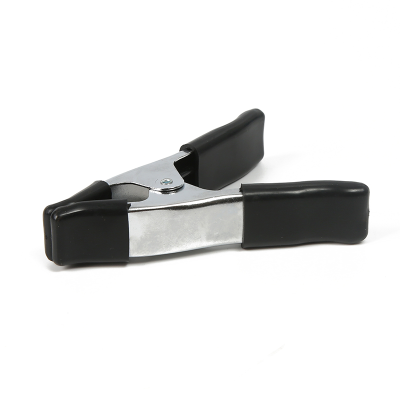


$0.02 - $0.05
MOQ: 100 Pieces


Comprehensive Sourcing Guide
Spring Clamps Sourcing Guide
Product Scope and Observed Listing Signals
The current market for Spring Clamps presents a diverse array of industrial fastening solutions, ranging from heavy-duty hose clamps to specialized plastic A-line clips. Buyers will encounter listings that specify materials such as stainless steel, standard metal, and steel, with color options including black, red, white, or custom finishes. The observed product names highlight distinct use cases, such as spring hose clamps for fluid systems and wood working clamps for assembly tasks. This variety indicates that sourcing requires careful filtering to match the specific mechanical load and environmental exposure of the intended application.
Listing signals reveal significant variation in packaging and origin, with products shipping from regions like Zhejiang and Jiangsu in China. Packaging formats observed include carton packages, bulk shipments, and plastic bag cartons, which directly impact logistics planning and storage requirements. Some listings indicate customization availability and OEM acceptance, suggesting that buyers can tailor dimensions or branding to their specific needs. However, the presence of conflicting attributes, such as metric versus inch measurement systems, necessitates rigorous verification of the exact specifications before placing any orders to avoid compatibility issues.
Technical Specifications to Verify
Dimensional accuracy is the primary technical concern when sourcing Spring Clamps, as observed sizes range widely from 13-43mm bandwidths to 4-inch clamp sizes. Buyers must verify the exact clamping diameter and bandwidth to ensure the component fits the target pipe or material securely. The model numbers, such as Belo134 or generic 4-inch designations, serve as critical identifiers but should be cross-referenced with physical samples. Misalignment between the stated measurement system and the actual product dimensions can lead to installation failures, making precise specification confirmation essential for operational reliability.
Material composition and structural integrity are equally vital, with listings citing stainless steel, metal, and steel as primary construction materials. The type of spring mechanism, described as flex gear or standard spring clips, determines the tension retention and durability under vibration. Buyers should confirm whether the material grade is suitable for the operating environment, particularly if corrosion resistance or high tensile strength is required. Additionally, the interface type and shape, such as square or insulated variants, must align with the electrical or mechanical context of the assembly to prevent short circuits or mechanical interference.
Compliance and Safety Documentation
Safety and regulatory compliance are paramount, especially for clamps used in automotive, motorcycle, or industrial transmission applications. Buyers must request documentation that verifies the material’s resistance to environmental stressors and its compliance with relevant industry standards. While some listings mention standard compliance, the specific standards are not always detailed, requiring suppliers to provide certificates of conformity or material test reports. This is particularly important for components that carry electrical signals or operate under high pressure, where failure could result in significant safety hazards or system downtime.
Insulation properties and electrical characteristics are critical for clamps used in electrical transmission contexts. Buyers should verify that any insulating characteristics meet the required voltage ratings and dielectric strength for the specific application. Documentation should also cover the manufacturing process to ensure consistency in quality, particularly for customized or OEM orders. Ensuring that the supplier adheres to recognized quality management systems helps mitigate the risk of defective batches, providing a layer of protection for the buyer’s downstream operations and end-users.
Cost Drivers and Commercial Terms
Pricing in the spring clamp market is influenced by material costs, order volume, and customization requirements. The observed price range is broad, reflecting the difference between standard bulk items and specialized, customized components. Buyers should anticipate that higher MOQs may yield better unit prices, but the minimum order quantities can vary significantly, from small batches to millions of units. Understanding the cost structure helps in negotiating favorable terms, especially when balancing the need for inventory flexibility against the desire for lower per-unit costs.
Delivery times and payment terms are key commercial factors that affect supply chain efficiency. Typical lead times range from 15 to 30 days, which must be factored into production schedules and inventory planning. Buyers should clarify whether these timelines include customization or standard production runs, as well as the impact of peak seasons on delivery reliability. Clear communication regarding packaging options, such as carton or bulk, is also essential to avoid unexpected logistics costs and ensure that the goods arrive in suitable condition for immediate use.
Supplier Qualification and Quality Control
Supplier qualification involves verifying the manufacturer’s capability to produce consistent, high-quality Spring Clamps. Buyers should assess the supplier’s production facilities, quality control processes, and history of fulfilling OEM or customized orders. The presence of customization support and acceptable OEM terms suggests flexibility, but it also requires robust quality assurance protocols to maintain consistency across different product variants. Due diligence should include reviewing the supplier’s track record for on-time delivery and their ability to handle large volume orders without compromising quality.
Quality control measures must be explicitly defined in the purchase agreement, including inspection criteria and acceptance standards. Buyers should request pre-shipment inspections or third-party verification to ensure that the delivered clamps meet the specified dimensions, material grades, and functional requirements. Given the variation in observed product attributes, establishing clear acceptance criteria for defects, such as improper tension or surface finish issues, is crucial. Regular audits and performance reviews help maintain a reliable supply chain and ensure that the supplier continues to meet the buyer’s evolving needs.
Long-Term Procurement Checks
Long-term procurement success depends on continuous monitoring of supplier performance and market trends. Buyers should regularly review supplier delivery times, quality metrics, and responsiveness to issues to ensure ongoing reliability. As product specifications and market demands evolve, maintaining open communication with suppliers allows for timely adjustments in order volumes and specifications. This proactive approach helps mitigate risks associated with supply chain disruptions and ensures that the buyer remains competitive in their respective industry.
Sustainability and regulatory changes may also impact the sourcing of Spring Clamps over time. Buyers should stay informed about any changes in material regulations or environmental standards that could affect the availability or cost of certain components. Adapting to these changes by diversifying suppliers or exploring alternative materials can enhance supply chain resilience. By maintaining a strategic focus on quality, cost, and compliance, buyers can build a robust and efficient procurement process for Spring Clamps that supports their long-term business objectives.
FAQs
What materials are used for Spring Clamps?
Spring Clamps are primarily manufactured from stainless steel or general metal materials to ensure durability and resistance to corrosion. These robust materials support heavy-duty applications in industrial, automotive, and motorcycle sectors. The metal construction provides the necessary tensile strength for secure hose and pipe clamping, making them suitable for various mechanical and home improvement tasks requiring reliable fastening solutions.
What size options are available for Spring Clamps?
Spring Clamps are available in metric sizes ranging from 13mm to 43mm, as well as imperial options like 4-inch models. The band width typically measures 12mm to accommodate various hose diameters. These dimensions ensure compatibility with standard piping systems. Buyers can select specific sizes based on their application requirements, with customization options available for specialized industrial needs or unique mechanical configurations.
Can Spring Clamps be customized for specific needs?
Yes, Spring Clamps offer customization support for various industrial and commercial applications. Buyers can request specific colors, such as black, red, or white, to match equipment aesthetics. OEM services are acceptable, allowing for branded or tailored designs. Customization extends to packaging and specific model numbers, ensuring the clamps meet precise operational standards and integrate seamlessly into existing supply chains or product lines.
How are Spring Clamps packaged for shipping?
Spring Clamps are typically packaged in cartons or bulk containers to protect the metal components during transit. Standard packaging dimensions are approximately 15x15x10 cm per single package, with a gross weight of 0.500 kg. This efficient packaging method minimizes shipping costs while ensuring product integrity. Bulk options are also available for large orders, providing flexibility for different logistical requirements and storage preferences.
What is the typical delivery time for Spring Clamps?
The standard delivery time for Spring Clamps ranges from 15 to 30 days after order confirmation. This timeframe allows for production, quality control, and logistics arrangement. Buyers should consider this lead time when planning inventory replenishment or project schedules. Expedited options may be available depending on stock levels and supplier capacity, but the 15-30 day window remains the standard expectation for most orders.
What is the minimum order quantity for Spring Clamps?
The minimum order quantity for Spring Clamps is generally 50 pieces, though this can vary based on supplier policies and customization requirements. Some suppliers may accept orders as low as 1 piece for samples, while bulk orders can reach up to 10 million pieces. This flexible MOQ structure accommodates both small-scale testing and large-scale industrial procurement needs efficiently.