Source Stone Imitation Polished Tile for Hotel, Bathroom, Kitchen
Compare 30 listings of Stone Imitation Polished Tile suitable for hotel, bathroom, and kitchen applications. Buyers can evaluate specifications like thickness, hardness, and water absorption to find the right fit for commercial or residential projects; compare the available evidence and request quotations based on your requirements.
Key considerations
Products List


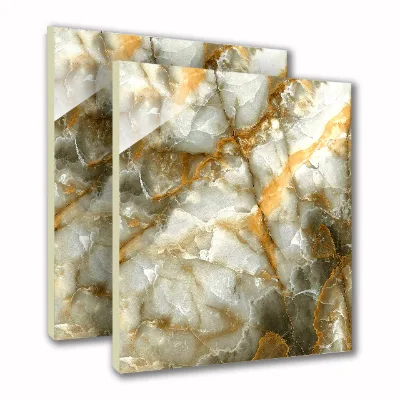

Glossy Polished Sintered Stone Tile with Smooth Surface for Wall Decoration
$65.00 - $70.00
MOQ: 50 Square Meters

Bright Colorful Sintered Stone Tile with Porcelain Like Finish for Floor Decoration
$65.00 - $70.00
MOQ: 50 Square Meters


Luxury Stone Tile Luxury Floor Polished Tile Factory Price Advantage
$16.50 - $18.50
MOQ: 1000 Square Meters

Luxury Stone Tile Low Water Absorption Factory Price Glossy Glazed Polished
$16.50 - $18.50
MOQ: 1000 Square Meters

Luxury Stone Slab Tiles Wall and Floor Tiles Luxury Stone Tiles
$16.50 - $18.50
MOQ: 1000 Square Meters

Luxury Stone Tile Floor Luxury Marble Tile Luxury Stone Slab Factory Direct Polished Tiles
$16.50 - $18.50
MOQ: 1000 Square Meters


Fine-Carved Porcelain Tile: Stylish, Acid-Resistant, and Water Absorbent
$9.99 - $11.29
MOQ: 500 Square Meters


Comprehensive Sourcing Guide
Stone Imitation Polished Tile Sourcing Guide
Procuring stone imitation polished tiles requires a strategic balance between aesthetic fidelity and technical performance. Buyers must recognize that these products replicate the visual depth of natural stone while offering the durability and consistency of engineered ceramics. The market offers a wide array of options, from artificial stone composites to high-density porcelain, each with distinct handling and installation requirements. Understanding the specific material composition is the first step in aligning product selection with project demands, ensuring that the visual appeal does not compromise structural integrity or long-term maintenance costs.
The sourcing process involves navigating a complex landscape of specifications, from surface finish to load-bearing capacity. Observed listings indicate a diverse range of functionalities, including non-slip properties and heavy load-bearing capabilities, which are critical for commercial environments. Buyers should focus on verifying the exact technical parameters provided by suppliers, such as flexural strength and water absorption rates, to ensure the tiles meet the rigorous standards of hotels, bathrooms, and high-traffic commercial spaces. This diligence prevents costly mismatches between design intent and actual product performance.
Product Scope and Observed Listing Signals
The current market for stone imitation polished tiles presents a broad spectrum of material types and functional attributes. Listings frequently highlight artificial stone and porcelain/ceramic compositions, catering to different aesthetic and durability needs. Key observed attributes include multi-functionality, customization availability, and specific usage scenarios such as hotel lobbies, bathrooms, and kitchen countertops. The presence of heavy load-bearing ratings and excellent stain resistance suggests that many available products are engineered for high-traffic commercial applications, where resilience against wear and chemical exposure is paramount.
Visual and physical specifications vary significantly across suppliers, with sizes ranging from standard 600x600mm to large-format 3000x1500mm slabs. Thicknesses typically observed include 8mm, 9.5mm, and 12mm, influencing both installation methods and structural suitability. Surface finishes are predominantly polished, offering a reflective, high-end look that mimics natural stone, while some products emphasize non-slip characteristics for safety. Buyers should carefully cross-reference these observed signals with their specific project requirements, noting that customization options allow for tailored solutions in color, size, and surface texture to meet unique design visions.
Technical Specifications to Verify
Verifying technical specifications is crucial for ensuring the tiles perform as expected in their intended environment. Key metrics to validate include water absorption rates, which should be low to prevent staining and frost damage, with some products showing rates as low as 0.03%. Flexural strength and compressive strength are critical for structural integrity, with observed values indicating high durability suitable for heavy loads. Buyers must confirm these figures through independent testing or certified reports, as they directly impact the tile’s suitability for floor applications versus wall cladding, especially in areas subject to mechanical stress.
Surface quality and dimensional accuracy are equally important for a seamless installation. Planeness and surface evenness should be within tight tolerances, typically less than 0.3mm for planeness, to avoid lippage and ensure a smooth finish. Abrasion resistance and Mohs hardness values provide insight into the tile’s ability to withstand daily wear and scratch resistance. Additionally, buyers should verify the specific model numbers and packing methods, such as wooden pallets or crates, to ensure safe transit and proper handling. These technical details form the foundation of a reliable procurement decision, minimizing the risk of installation failures or premature degradation.
Compliance and Safety Documentation
Compliance with international standards and safety certifications is non-negotiable for global procurement. Buyers must ensure that suppliers provide valid CE and ISO certifications, which attest to the product’s adherence to European and international quality and safety norms. These certifications are particularly important for commercial projects where regulatory compliance is strictly enforced. Additionally, verifying that the packaging is fumigated, as indicated in some listings, is essential for meeting import regulations and preventing the spread of pests, ensuring smooth customs clearance and delivery.
Safety features such as non-slip ratings and chemical resistance should be documented and verified. For areas prone to water exposure, such as bathrooms and kitchens, the slip resistance coefficient must meet local building codes. Buyers should also inquire about the warranty terms, with some suppliers offering up to three years of coverage, which reflects confidence in product longevity. Understanding the after-sale service provisions, including online technical support, provides an additional layer of security, ensuring that any installation or performance issues can be addressed promptly and effectively by the supplier.
Cost Drivers and Commercial Terms
Cost structures for stone imitation polished tiles are influenced by material composition, size, and customization levels. Larger formats and specialized finishes often command higher prices due to increased production complexity and shipping costs. Observed price ranges vary widely, reflecting differences in quality, brand, and supplier location. Buyers should analyze the total cost of ownership, including shipping, insurance, and potential duties, rather than focusing solely on the unit price. Understanding the minimum order quantity (MOQ) requirements is also vital, as these can range from 20 to 2000 pieces, impacting inventory management and cash flow.
Commercial terms such as delivery time and payment conditions play a significant role in procurement planning. Typical lead times are around 15 days, but this can vary based on customization needs and production capacity. Buyers should negotiate clear terms regarding delays and penalties to mitigate supply chain risks. Additionally, understanding the packing specifications, whether in wooden crates or overseas packages, helps in estimating logistics costs and handling requirements. Transparent communication about these commercial aspects ensures a smoother transaction and aligns expectations between buyer and supplier.
Supplier Qualification and Quality Control
Selecting a qualified supplier is critical for maintaining product consistency and reliability. Buyers should verify the supplier’s manufacturing capabilities, including their production lines and quality control processes. Suppliers originating from regions like Hubei, China, often have established expertise in ceramic and stone imitation products. It is advisable to request samples to assess the actual quality, color consistency, and finish before placing bulk orders. This hands-on evaluation helps in identifying potential discrepancies between marketing materials and the final product.
Quality control measures should be clearly defined and agreed upon prior to production. Buyers should specify inspection criteria, such as dimensional accuracy, surface defects, and packaging integrity. Implementing third-party inspections during production or before shipment can provide an additional layer of assurance. Suppliers offering customized standards and models demonstrate flexibility and attention to detail, which are valuable traits for complex projects. Establishing a strong relationship with a supplier who prioritizes quality and transparency reduces the risk of receiving substandard goods and ensures a smoother procurement experience.
Long-Term Procurement Checks
Long-term procurement success depends on continuous monitoring of supplier performance and product durability. Buyers should establish key performance indicators (KPIs) related to delivery times, defect rates, and customer support responsiveness. Regular audits and feedback loops help in identifying areas for improvement and maintaining high standards. Additionally, staying updated on industry trends and technological advancements in tile manufacturing can provide competitive advantages and access to newer, more efficient products. This proactive approach ensures that the procurement strategy remains aligned with evolving market demands and project requirements.
Sustainability and environmental impact are increasingly important factors in long-term procurement decisions. Buyers should inquire about the environmental practices of suppliers, including energy usage and waste management during production. Products with low water absorption and high durability contribute to sustainable building practices by reducing maintenance and replacement needs. By prioritizing suppliers who demonstrate commitment to quality, compliance, and sustainability, buyers can build a resilient supply chain that supports both immediate project needs and long-term business goals. This holistic approach fosters trust and reliability in the procurement process.
FAQs
What are the key physical properties of artificial stone imitation tiles?
These tiles feature a Mohs hardness of 5 and excellent stain resistance. They exhibit a water absorption rate of just 0.03% and high compressive strength of 150 MPa. The flexural strength reaches 47.6 MPa, ensuring durability for heavy-load applications in hotels and commercial spaces while maintaining aesthetic appeal.
Which standard sizes are available for porcelain imitation stone tiles?
Standard dimensions include 600x600mm, 800x800mm, 600x1200mm, 750x1500mm, and 900x1800mm. Thickness options typically range from 8mm to 12mm. These versatile sizes accommodate various interior flooring and wall cladding projects, allowing for flexible design layouts in residential and commercial environments.
Can these tiles be customized for specific project requirements?
Yes, customization is available for both artificial stone and porcelain variants. Buyers can request specific models like YS6431 or CD189J823 to match design needs. Customized standards and packing options, such as wooden pallets or overseas packages, ensure the products meet unique logistical and aesthetic demands for diverse construction projects.
What certifications do these stone imitation polished tiles hold?
The products hold CE and ISO certifications, ensuring compliance with international quality and safety standards. These credentials verify the materials' reliability for use in hotels, bathrooms, and kitchens. The certifications provide assurance regarding the tiles' chemical resistance, abrasion resistance, and overall performance in high-traffic commercial and residential settings.
How long is the delivery time for bulk orders?
The typical delivery time is about 15 days for standard orders. This timeline applies to most porcelain and artificial stone tile batches. Buyers should confirm specific lead times with suppliers, as production schedules may vary based on order volume and customization requirements, ensuring timely project completion.
What is the minimum order quantity for these tiles?
The minimum order quantity ranges from 20 to 2000 pieces, depending on the supplier and product type. This flexibility accommodates both small renovation projects and large-scale commercial developments. Buyers can negotiate MOQs based on their specific volume needs, ensuring cost-effective sourcing for various interior design applications.
Are these tiles suitable for heavy-load bearing applications?
Yes, these tiles are rated for heavy load-bearing use. With a compressive strength of 150 MPa and robust construction, they withstand significant pressure. This makes them ideal for high-traffic areas in hotels, commercial spaces, and public squares, ensuring long-term structural integrity and safety under demanding usage conditions.