Find SUV Parking Lifts for Garages, Dealerships, and Service Centers
Source 30 SUV-compatible parking lifts featuring hydraulic drive modes and overload protection. Buyers can compare models with 2700kg capacity, CE certification, and aluminum construction for urban garages and service centers.
Key considerations
Products List
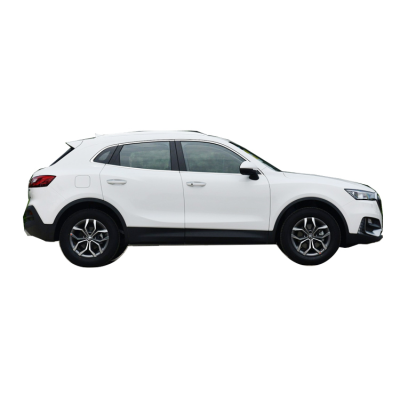


Hot Sale Vehicle SUV Gasoline Car China Electric Hybrid Cars Petrol Car Electric Vehicle
$9999.00 - $14500.00
MOQ: 1 Pieces

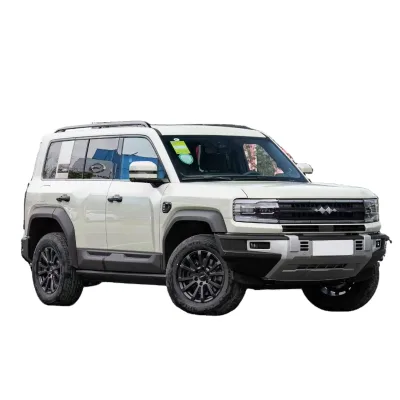
Power Efficiency Setting New SUV Standards Plug-in Hybrid Tank 400 SUV Car
$26500.00 - $27100.00
MOQ: 1 Pieces


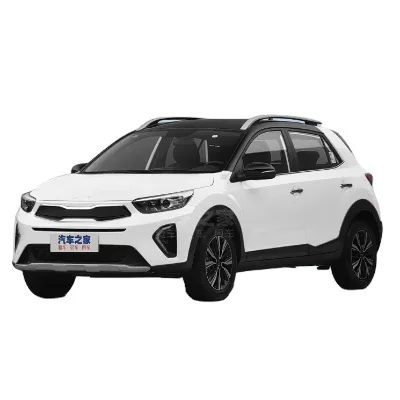


Space Maximizing SUV: Compact Design with Fuel Efficient Performance
$15000.00 - $18000.00
MOQ: 1 Unit


Efficient Compact SUV: Exceptional Fuel Efficiency and Spacious Interior
$15000.00 - $18000.00
MOQ: 1 Unit


Streamlined Appearance SUV Optimize Aerodynamic Driving Performance
$18300.00 - $18600.00
MOQ: 1 Pieces

Factory Direct Supply SUV Provide Competitive Export Purchase Price
$18300.00 - $18600.00
MOQ: 1 Pieces
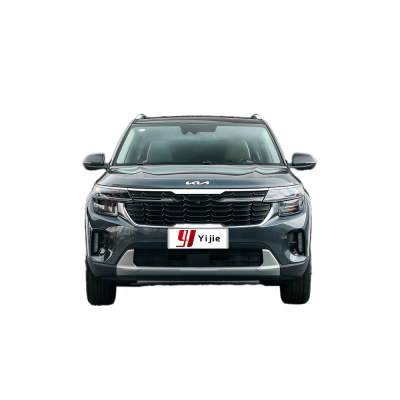

Comprehensive Sourcing Guide
SUV Sourcing Guide
Sourcing SUVs requires a nuanced approach that balances vehicle performance, regulatory compliance, and total cost of ownership. The market offers a diverse range of electric and hybrid models, each tailored to specific operational needs such as urban mobility, fleet management, or specialized utility tasks. Buyers must navigate a landscape where technical specifications vary significantly between manufacturers, making it essential to define clear procurement criteria before engaging with suppliers. This guide provides a structured framework for evaluating SUVs, focusing on critical attributes like battery technology, safety features, and certification requirements to ensure informed decision-making.
The procurement process for SUVs is influenced by several key factors, including powertrain type, seating capacity, and intended application scenarios. Whether sourcing for city-based operations or broader commercial use, understanding the underlying technology and regulatory landscape is paramount. This guide outlines the essential steps for verifying product scope, technical specifications, compliance documentation, cost structures, supplier qualifications, and long-term maintenance considerations. By adhering to these guidelines, buyers can mitigate risks and secure vehicles that meet their operational and financial objectives.
Product Scope and Observed Listing Signals
The current market for SUVs includes a variety of electric and hybrid models, with observed listings indicating a price range of $1,590 to $64,000 USD. This wide variance suggests that buyers may encounter both entry-level urban mobility solutions and premium, high-capacity vehicles. The minimum order quantity (MOQ) typically ranges from 1 to 50 units, offering flexibility for both individual purchasers and fleet operators. Buyers should carefully assess whether the listed price corresponds to the specific configuration, battery capacity, and certification level required for their intended market, as these factors significantly impact the final cost.
Observed product attributes highlight a strong emphasis on electric vehicle (EV) technology, with many listings specifying lithium-ion battery systems and specific energy types such as "Evr" or "Trihydride Lithium." Some models are designed for specific applications, such as city driving, and feature body types like closed or self-supporting structures. Additionally, certain listings indicate compatibility with various vehicle types, including SUVs and sedans, suggesting that some suppliers may offer modular or multi-purpose platforms. Buyers should verify the exact battery capacity, seating arrangements, and drive modes to ensure alignment with their operational requirements.
Technical Specifications to Verify
When evaluating SUVs, buyers must prioritize technical specifications that directly impact performance and usability. Key attributes to verify include the battery type, capacity, and charging infrastructure compatibility, as these determine the vehicle's range and operational efficiency. For instance, some models specify a battery capacity of 40 units, while others may offer different configurations. Additionally, the drive mode, whether electric, hybrid, or hydraulic, should be clearly defined to ensure it meets the intended use case. Buyers should also consider the vehicle's dimensions, including total length, width, and height, to ensure compatibility with existing infrastructure and parking facilities.
Safety and operational features are equally critical in the selection process. Buyers should verify the presence of advanced safety systems, such as warning lights, overload protection, emergency stop buttons, and automatic safety locks. These features are essential for ensuring the safety of drivers and passengers, particularly in commercial or fleet operations. Additionally, the vehicle's lifting height, falling prevention devices, and lock release mechanisms should be examined to ensure they meet industry standards and operational needs. Buyers should also consider the vehicle's warranty period and after-sales support to ensure long-term reliability and maintenance.
Compliance and Safety Documentation
Compliance with regional and international standards is a non-negotiable aspect of SUV procurement. Buyers must verify that the vehicles meet all relevant certification requirements, such as CE, EEC, DOT, CCC, and EPA, depending on the target market. These certifications ensure that the vehicles adhere to safety, emissions, and performance standards, reducing the risk of legal issues and operational disruptions. Buyers should request detailed certification documents from suppliers and cross-reference them with local regulatory requirements to ensure full compliance.
In addition to certifications, buyers should assess the vehicle's safety features and testing protocols. This includes verifying the presence of dynamic anti-falling locks, overload protection, and emergency stop buttons, which are critical for preventing accidents and ensuring driver safety. Buyers should also inquire about the vehicle's crash test results, emissions data, and other performance metrics to ensure they meet industry benchmarks. By prioritizing compliance and safety documentation, buyers can mitigate risks and ensure that the vehicles they procure are safe, reliable, and legally compliant.
Cost Drivers and Commercial Terms
The total cost of ownership for SUVs is influenced by several factors, including the initial purchase price, battery capacity, certification level, and after-sales support. Buyers should carefully analyze the pricing structure to understand what is included in the quoted price, such as shipping, taxes, and installation costs. Additionally, the minimum order quantity (MOQ) and payment terms should be negotiated to ensure favorable commercial conditions. Buyers should also consider the vehicle's energy efficiency and maintenance costs, as these will impact the long-term operational expenses.
Commercial terms such as warranty coverage, spare parts availability, and technical support should be clearly defined in the procurement contract. Buyers should verify the warranty period, typically one year, and ensure that it covers critical components such as the battery, motor, and electronic systems. Additionally, buyers should inquire about the availability of spare parts and the supplier's response time for technical support to ensure minimal downtime in case of failures. By negotiating favorable commercial terms, buyers can reduce risks and ensure a smooth procurement process.
Supplier Qualification and Quality Control
Selecting a qualified supplier is crucial for ensuring the quality and reliability of the procured SUVs. Buyers should verify the supplier's manufacturing capabilities, including their production capacity, quality control processes, and certification status. Suppliers with certifications such as CE, ISO, and TUV are more likely to adhere to international standards and deliver high-quality products. Buyers should also request samples or conduct factory audits to assess the supplier's production processes and quality control measures.
In addition to supplier qualifications, buyers should establish clear quality control protocols for the procurement process. This includes defining acceptance criteria, inspection procedures, and rejection policies for non-conforming products. Buyers should also consider implementing a supplier performance evaluation system to monitor their quality, delivery, and service levels over time. By prioritizing supplier qualification and quality control, buyers can ensure that the SUVs they procure meet their expectations and operational requirements.
Long-Term Procurement Checks
Long-term procurement success depends on establishing robust relationships with suppliers and implementing continuous improvement strategies. Buyers should regularly review supplier performance, including delivery times, product quality, and after-sales support, to identify areas for improvement. Additionally, buyers should stay informed about industry trends, technological advancements, and regulatory changes to ensure that their procurement strategies remain relevant and effective. By fostering strong supplier relationships and staying proactive, buyers can mitigate risks and secure a competitive advantage in the market.
Buyers should also consider the long-term maintenance and support requirements of the SUVs they procure. This includes evaluating the availability of spare parts, the supplier's technical support capabilities, and the vehicle's overall durability. Buyers should also consider the vehicle's energy efficiency and environmental impact, as these factors will become increasingly important in the future. By prioritizing long-term procurement checks, buyers can ensure that their SUVs remain reliable, efficient, and compliant with evolving industry standards.
FAQs
What customization options are available for the parking lift?
Customization is available for this parking lift system. Buyers can request custom makes to meet specific site requirements while maintaining the standard hydraulic drive mode and safety features like overload protection.
Which certifications does the parking lift system hold?
The parking lift holds CE, ISO, TUV, EEC, DOT, CCC, and EPA certifications. These standards ensure compliance with international safety and quality regulations for vehicles operating in city environments.
How much weight can the parking lift support?
The parking lift supports a lifting capacity of 2700kg or 2300kg depending on the configuration. This capacity accommodates SUVs and sedans while ensuring stability during the lifting process.
Can the parking lift be powered by a battery?
The system operates using a 220V voltage source with a 24V operation voltage for controls. While the vehicle itself may use a lithium-ion battery, the lift relies on hydraulic cylinders for movement.
What is the warranty period for the parking lift?
The parking lift comes with a 1-year warranty covering manufacturing defects. This warranty applies to the aluminum body and hydraulic components used in the double post design.
How long does it take for the lift to rise?
The rising speed is under 40 seconds for the full 2100mm lifting height. This rapid operation is achieved through the hydraulic cylinder lift mode and dynamic anti-falling lock system.
Where is the parking lift manufactured?
The product originates from Qingdao, China, with general manufacturing in China. It is packed in standard export packaging or containers for safe international shipping.
What safety features are included in the design?
Safety features include warning lights, emergency stop buttons, automatic safety locks, and a dynamic anti-falling lock. These elements ensure secure operation for vehicles entering through the center inlet.