Source Table Light for Bedroom, Office, and Living Room
Compare 30 Table Light options from verified Chinese manufacturers. Buyers can evaluate LED wattage, dimming features, and certifications like CE and RoHS for bedroom, office, and living room applications; compare the available evidence and request quotations based on your requirements.
Key considerations
Products List
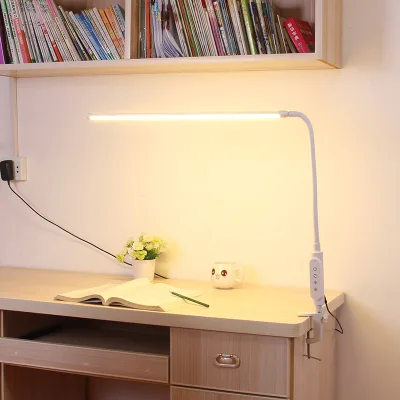
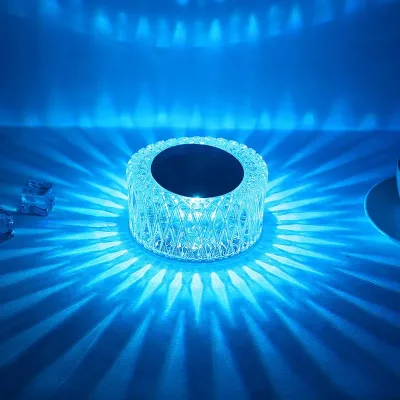


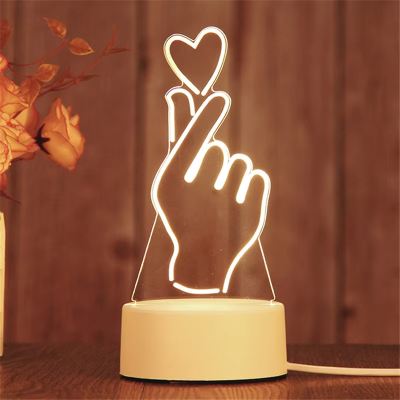

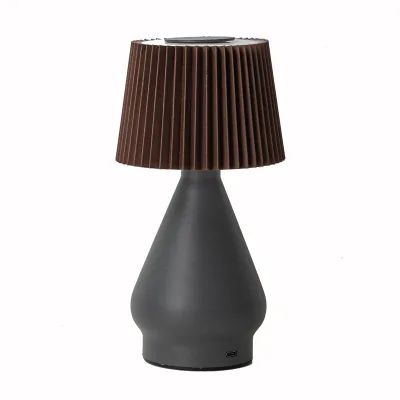





Comprehensive Sourcing Guide
Table Light Sourcing Guide
Sourcing table lights requires a disciplined approach to balancing aesthetic appeal with functional reliability. Buyers must navigate a complex landscape where visual design often masks underlying technical variances. The primary challenge lies in distinguishing between decorative fixtures and those suitable for sustained, high-quality illumination. Procurement teams should prioritize suppliers who provide transparent technical documentation alongside their visual catalogs. This ensures that the final product meets both the stylistic requirements of the end-user and the rigorous performance standards expected in professional environments.
Effective sourcing begins with a clear definition of the intended use case. Whether for residential bedrooms, office workspaces, or hospitality settings, the lighting requirements vary significantly. Buyers must align their specifications with the specific needs of the target market, considering factors such as brightness, color temperature, and control mechanisms. By establishing these parameters early, procurement teams can filter out irrelevant options and focus on suppliers who demonstrate expertise in the relevant niche. This targeted approach reduces the risk of mismatched expectations and streamlines the selection process.
Product Scope and Observed Listing Signals
The current market for table lights exhibits a wide range of design styles and material compositions. Observed listings frequently feature modern designs crafted from materials such as crystal, glass, and plastic. These materials influence both the aesthetic appeal and the durability of the fixture. Buyers should note that while some products emphasize decorative elements like crystal shades, others prioritize simplicity and functionality. Understanding these material distinctions is crucial for selecting products that align with the brand identity and quality expectations of the target customer base.
Listing signals also reveal important details about control mechanisms and power sources. Many modern table lights offer touch control or remote control options, enhancing user convenience. Additionally, the power source is typically AC, ensuring consistent performance without the need for frequent battery replacements. Some listings indicate support for dimming features, allowing users to adjust brightness levels to suit different activities. These features are increasingly important for consumers seeking versatile lighting solutions that can adapt to various moods and tasks.
Technical Specifications to Verify
Verifying technical specifications is essential to ensure the Table Light meets performance expectations. Key parameters include wattage, color temperature, and light source type. Buyers should confirm whether the product uses LED technology, which offers energy efficiency and longevity. The color temperature, often measured in Kelvin, determines the warmth or coolness of the light. Options typically range from warm white to cool white, allowing buyers to select the appropriate ambiance for their application. Additionally, the lamp holder type, such as E27, should be verified to ensure compatibility with standard bulbs if applicable.
Another critical aspect is the physical dimensions and weight of the Table Light. These factors influence stability and placement options. Buyers should review product dimensions to ensure the fixture fits the intended space without overwhelming it. Weight is also important, particularly for larger or heavier designs, to prevent tipping hazards. Furthermore, the presence of a switch type, such as a push-button switch, affects user interaction. Confirming these details helps avoid surprises during installation and ensures the product integrates seamlessly into the user’s environment.
Compliance and Safety Documentation
Compliance with safety standards is non-negotiable when sourcing table lights. Buyers must verify that products carry recognized certifications such as CE and RoHS. These certifications indicate that the product meets European safety, health, and environmental protection requirements. CE marking ensures the product adheres to relevant EU directives, while RoHS compliance restricts the use of hazardous substances. Without these certifications, products may face regulatory hurdles in international markets, leading to potential delays or rejections.
In addition to certifications, buyers should request detailed test reports and safety data sheets. These documents provide evidence of the product’s compliance with specific standards and offer insights into its safety profile. Suppliers should be transparent about their testing processes and willing to share results upon request. This transparency builds trust and ensures that the products are safe for end-users. Buyers should also consider the warranty terms, as a robust warranty reflects the supplier’s confidence in their product’s quality and durability.
Cost Drivers and Commercial Terms
Understanding cost drivers is vital for effective budgeting and negotiation. Factors such as material quality, design complexity, and production volume significantly impact pricing. Products with intricate designs or premium materials like crystal will generally command higher prices. Conversely, simpler designs made from plastic may be more cost-effective. Buyers should also consider the minimum order quantity (MOQ) requirements, as larger orders often result in better unit prices. Negotiating favorable terms based on volume can lead to significant cost savings.
Commercial terms also include shipping methods and lead times. Buyers should evaluate the supplier’s shipping options, such as express courier, air, or sea freight, to determine the most cost-effective and timely solution. Lead times vary depending on production schedules and order size, so it is essential to plan accordingly. Additionally, payment terms and currency considerations can affect the overall cost. Establishing clear commercial terms early in the procurement process helps avoid misunderstandings and ensures a smooth transaction.
Supplier Qualification and Quality Control
Supplier qualification is a critical step in mitigating procurement risks. Buyers should assess the supplier’s manufacturing capabilities, quality control processes, and track record. Suppliers with established factories and experienced teams are more likely to deliver consistent quality. It is also important to verify the supplier’s ability to handle customization requests, such as OEM or ODM services. This flexibility allows buyers to tailor products to their specific needs, enhancing brand differentiation.
Quality control measures should be clearly defined and enforced throughout the production process. Buyers should request samples for evaluation before placing bulk orders. These samples allow for a thorough assessment of the product’s quality, functionality, and aesthetics. Additionally, implementing pre-shipment inspections can help identify and rectify any defects before the products leave the factory. Establishing a strong relationship with the supplier and maintaining open communication channels ensures that any issues are addressed promptly and effectively.
Long-Term Procurement Checks
Long-term procurement success depends on continuous monitoring and evaluation of supplier performance. Buyers should regularly review key performance indicators such as delivery times, product quality, and customer satisfaction. Consistent performance indicates a reliable supplier, while deviations may signal underlying issues that need to be addressed. Establishing a feedback loop with the supplier allows for ongoing improvement and adaptation to changing market conditions.
Additionally, buyers should stay informed about industry trends and technological advancements. This knowledge enables proactive adjustments to procurement strategies and product offerings. Regularly updating specifications and requirements ensures that the sourced products remain competitive and relevant. By maintaining a strategic approach to supplier management, buyers can build a resilient supply chain that supports long-term business growth and customer satisfaction.
FAQs
What materials are used for the lamp body and shade?
The lamp body is constructed from crystal and glass materials, while the shade is made from other unspecified materials. These components combine to create a modern design suitable for bedroom applications, ensuring durability and aesthetic appeal for various interior settings.
Which control modes are supported for this wall lamp?
This product supports both remote control and touch control modes for user convenience. Some specific models also feature touch dimming and color adjustment capabilities, allowing users to customize lighting intensity and ambiance directly through the lamp interface or a handheld remote.
Can I customize the product specifications and design?
Yes, customization is available for this product line to meet specific buyer requirements. The supplier offers OEM and ODM services, enabling modifications to design styles and specifications while maintaining the core modern aesthetic and functional LED lighting solutions provided by the manufacturer.
What certifications does the product hold for safety?
The product holds RoHS and CE certifications to ensure compliance with international safety standards. These certifications verify that the materials and electrical components meet specific regulatory requirements, providing assurance of quality and safety for the LED light sources used in the fixtures.
How is the product shipped and what is the origin?
Products are shipped via express courier, air freight, or sea freight depending on order volume. The goods originate from Guangdong, China, specifically from Guzhen Town in Zhongshan City, ensuring efficient logistics and reliable delivery schedules for international buyers seeking these lighting solutions.
What is the warranty period for the wall lamps?
The product comes with a two-year guarantee to protect against manufacturing defects. This warranty covers the LED light sources and structural components, providing buyers with confidence in the product longevity and the manufacturer's commitment to quality assurance for their lighting investments.