Source Tee Fittings for Plumbing, Oil, and Gas Systems
Find 30 Tee fittings for plumbing, oil, and gas systems. Compare PVC and carbon steel options with ISO and CE certifications. Evaluate pressure ratings, connection types, and customization support to select the right equal or reducing Tee for your industrial needs.
Key considerations
Products List
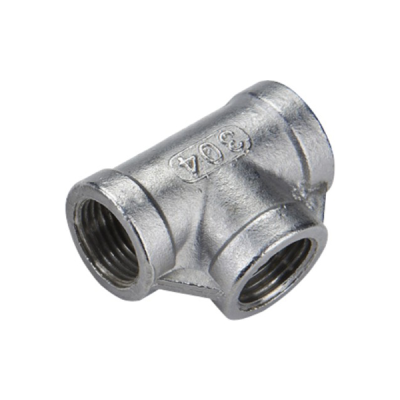


$0.50 - $15.00
MOQ: 300 Pieces


Comprehensive Sourcing Guide
Tee Sourcing Guide
Navigating the global market for Tee fittings requires a disciplined approach to distinguishing between plastic and metallic variants, as the procurement strategy diverges significantly based on material composition and intended service environment. Buyers must first identify whether the project demands the corrosion resistance and chemical inertness of PVC or PPR plastics, or the structural integrity and high-pressure capabilities of carbon steel and welded steel options. The observed product landscape includes distinct configurations such as equal tees, reducing tees, and specialized 90-degree lateral connections, each serving unique flow distribution needs in piping networks.
The decision to source from specific manufacturing hubs, such as Huangyan in Taizhou or general Zhejiang regions, influences logistics and lead times, which are frequently cited around 30 days for standard orders. Procurement teams must evaluate the trade-offs between standardized catalog items and custom solutions, noting that customization is widely available but may impact the final delivery schedule and unit cost. Understanding these foundational variables ensures that the subsequent technical and commercial negotiations are grounded in the specific operational requirements of the fluid transport system.
Product Scope and Observed Listing Signals
The market for Tee fittings presents a wide spectrum of product attributes, ranging from small-scale 1/2-inch plastic connectors to large-diameter 110-inch industrial steel components. Listings frequently highlight specific connection types, including female, male, and welding ends, which dictate the compatibility with existing piping infrastructure. The physical shape of the fitting is equally critical, with equal tees offering symmetrical flow paths and reducing tees designed to transition between different pipe diameters, while lateral configurations often specify a 90-degree angle for directional changes.
Material selection is a primary signal in product listings, with clear distinctions drawn between PVC, PPR, and carbon steel options. Plastic variants are often associated with injection molding techniques and specific working temperature ranges, such as -15°C to 60°C for PVC and -20°C to 95°C for PPR, making them suitable for general water and chemical distribution. In contrast, carbon steel tees are characterized by welded or cold-extruded techniques, offering higher pressure ratings up to 9000 LBS and finishes like 3PE or anti-rust oil to withstand harsh environments in petroleum and gas applications.
Technical Specifications to Verify
Buyers must rigorously verify wall thickness and pressure ratings to ensure the fitting can withstand the system's operating conditions without failure. Specifications such as SCH STD and SCH40 are common indicators of wall thickness for steel components, while plastic fittings often rely on pressure classes like PN10, PN16, or PN25. The pressure rating is a critical safety parameter, with observed listings ranging from 3000 LBS to 9000 LBS, necessitating a precise match between the component's rating and the maximum expected system pressure to prevent catastrophic leaks or bursts.
Dimensional accuracy and head code geometry are essential for ensuring proper fitment and flow dynamics within the pipeline. The head code, often described as round, and the radius specifications, which may include Lr (1.5D), Sr (1.0D), or other multipliers, determine the curvature and stress distribution at the junction. Additionally, the size range, observed from 1/2 inches up to 2 inches for plastic and extending to 110 inches for industrial steel, must align with the pipe schedule to avoid installation issues or flow restrictions that could compromise system efficiency.
Compliance and Safety Documentation
Certification status serves as a primary indicator of a supplier's adherence to international quality and safety standards. The observed market data confirms the presence of ISO, CE, and API certifications, which are vital for projects requiring compliance with global regulatory frameworks. Buyers should request valid certificates that specifically cover the product model and material type, ensuring that the manufacturing process has been audited against recognized benchmarks for quality management and product safety.
Standards compliance extends beyond general certifications to include specific industry codes that govern the design and testing of the fittings. Listings reference standards such as BS, ANSI, and ISO9001, which provide the technical basis for dimensions, tolerances, and performance testing. It is imperative to verify that the cited standard matches the project's jurisdictional requirements, as a deviation in the standard applied can lead to non-compliance during regulatory inspections or insurance assessments.
Cost Drivers and Commercial Terms
Pricing in the Tee fitting market is highly variable, influenced by material costs, manufacturing complexity, and order volume. The observed price range spans from $0.01 to $1000, reflecting the vast difference between small plastic connectors and large, high-pressure steel components. Buyers should anticipate that customizations, such as specific finishes or unique dimensions, will incur additional costs compared to standard catalog items, and that the choice between plastic and steel materials will significantly alter the base unit price.
Commercial terms regarding minimum order quantities (MOQ) and delivery timelines are critical factors in budgeting and project scheduling. MOQs observed in the market range from 1 to 10,000 units, allowing flexibility for small-scale repairs or large-scale infrastructure projects. Lead times are typically around 30 days, but this can fluctuate based on the complexity of the order, the availability of raw materials, and the specific production location, requiring early engagement with suppliers to secure inventory and avoid project delays.
Supplier Qualification and Quality Control
Supplier qualification should focus on verifying the origin of manufacturing and the consistency of their production processes. Many listings indicate origins in Taizhou, Zhejiang, or Ningbo/Shanghai, regions known for specialized manufacturing capabilities in both plastic and metal fittings. Buyers should confirm that the supplier has a proven track record in producing the specific type of Tee required, whether it involves injection molding for plastics or welding and extrusion for steel, to ensure the final product meets the necessary performance criteria.
Quality control measures must be explicitly defined in the procurement agreement to mitigate the risk of receiving substandard components. The presence of certifications like ISO and API suggests a structured quality management system, but buyers should also request specific test results or inspection reports for the batch being supplied. Packaging details, such as plastic bags inside and customized cartons outside, are also part of the quality assurance process, ensuring that the fittings arrive at the job site without damage or contamination.
Long-Term Procurement Checks
Establishing a long-term relationship with a supplier requires ongoing verification of their ability to maintain consistent quality and supply stability. Buyers should implement periodic audits or request updated certification documents to ensure that the supplier continues to meet the required standards over time. This proactive approach helps in identifying any potential shifts in manufacturing practices or material sourcing that could impact the reliability of the fittings in the field.
Performance monitoring of the installed fittings is essential for validating the initial procurement decisions and informing future purchasing strategies. Tracking the service life and any maintenance issues related to the tees can provide valuable data on the suitability of the selected materials and pressure ratings. By maintaining a record of supplier performance and product reliability, procurement teams can refine their specifications and negotiate better terms for subsequent orders, ensuring a robust and efficient piping system over the long term.
FAQs
What materials are available for Tee fittings?
Tee fittings are available in PVC, plastic, and carbon steel. PVC options include grey, white, blue, green, and brown colors. Carbon steel variants often feature anti-rust oil finishes. These materials support diverse industrial applications ranging from plumbing to petroleum systems.
Can I customize Tee fittings for my project?
Yes, customization is available for Tee fittings. OEM support allows for tailored specifications. You can select from various connection types, including female, male, and welding options. Custom packaging in cartons or bags is also supported to meet specific logistical requirements.
What certifications do Tee fittings typically hold?
Tee fittings commonly hold ISO, CE, and API certifications. These standards ensure quality and compliance for international trade. Some products also adhere to BS and ANSI standards. Verify specific certification documents with suppliers to confirm suitability for your regulatory environment.
What is the typical lead time for Tee orders?
The typical delivery time for Tee fittings is 30 days. This timeline applies to standard production runs. Lead times may vary based on order volume and customization needs. Confirm exact schedules with manufacturers to align with your project deadlines effectively.
What pressure ratings are available for Tee fittings?
Tee fittings offer various pressure ratings, including 3000LBS and 9000LBS. Plastic variants may specify Pn10, Pn16, or Pn25 ratings. Carbon steel options often feature SCH40 or SCH STD wall thicknesses. Select ratings that match your system's operational pressure requirements.
Where are Tee fittings typically manufactured?
Tee fittings are typically manufactured in Huangyan, Taizhou, Zhejiang, China. Other origins include general Zhejiang locations. These regions are known for producing plastic and steel piping components. Sourcing from these areas provides access to established manufacturing capabilities.