Source Tempered Forged Alloy Steel Bar for structural, boiler, and water tube uses
Find 30 verified listings for Tempered Forged Alloy Steel Bar suitable for structural, boiler plate, and water tube applications. Compare specifications including grades, surface treatments, and delivery times from multiple suppliers.
Key considerations
Products List


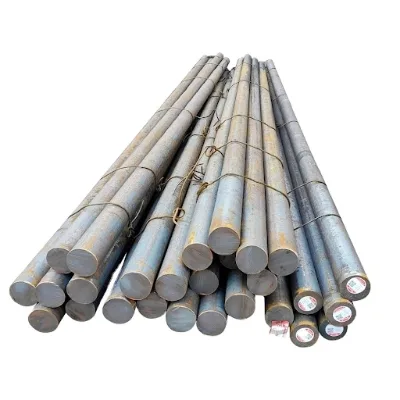
Steel Flat Bar Hot Rolled Forged Stainless Steel Flat Bar for Building Material
$500.00 - $650.00
MOQ: 3 Tons




Comprehensive Sourcing Guide
Sourcing Strategy for Tempered Forged Alloy Steel Bars
Navigating the global market for tempered forged alloy steel bars requires a disciplined approach that distinguishes between generic steel products and specialized components designed for high-stress environments. Buyers seeking this specific material class must understand that "Tempered Forged Alloy Steel Bar" is not a single commodity but a category defined by a complex intersection of manufacturing techniques, chemical compositions, and mechanical properties. The procurement process begins with a rigorous definition of technical requirements, as the market offers a wide spectrum of grades, from standard structural bars to specialized high-strength variants. This guide outlines the critical factors for sourcing these materials, focusing on verified attributes, compliance verification, and supply chain reliability without relying on unverified market speculation.
Technical Specifications and Manufacturing Attributes
The foundation of any successful procurement for alloy steel bars lies in the precise understanding of the manufacturing process and resulting physical characteristics. In the current market landscape, the term "forged" implies a specific metallurgical history where the material is shaped under high pressure, often while hot, to refine the grain structure and enhance mechanical strength. The supplied data indicates that "Hot Forged" is a distinct form available, alongside "Cold Rolled" and "Polished" techniques. Buyers must verify which process aligns with their application, as hot forging generally offers superior toughness and grain flow, while cold rolling may be preferred for tighter dimensional tolerances and smoother surface finishes.
Surface treatment is another critical specification. The observed market data lists "Polished," "Ground," and "Turning" as available surface treatments. For components requiring high fatigue resistance or precise mating surfaces, a ground or polished finish is often mandatory. The diameter range for these products is substantial, with observed specifications covering diameters from 0.5mm up to 650mm. This wide range suggests that suppliers cater to both precision instrument components and heavy industrial shafts. When evaluating a potential product, the buyer must confirm the exact diameter range against their design requirements, as a bar listed as "20-600mm" may not be suitable for a component requiring a 0.5mm precision shaft.
The chemical composition and grade number are equally vital. The market data references specific alloy grades such as 1015, 1035, 1055, 1060, 1213, and 4130. These numbers represent distinct carbon and alloy contents that dictate the material's hardenability and strength. For instance, the 4130 grade is frequently associated with high-strength applications, while the 10xx series often denotes carbon steel variants. The presence of "Alloy" as a composition attribute confirms that these are not plain carbon steels but contain additional elements like chromium, molybdenum, or nickel to enhance performance. Buyers should explicitly request the mill test report to verify the specific alloy content against the ordered grade, as the term "Alloy Steel Bar" is broad and encompasses many sub-categories.
Compliance, Certification, and Standard Verification
In the realm of industrial procurement, compliance is not merely a formality but a safeguard against failure. The supplied facts highlight several international standards that govern the production and testing of these steel bars. The observed standards include AISI, ASTM, DIN, GB, JIS, and ISO SGC. It is crucial for buyers to understand that a product claiming to meet "AISI" standards must be verified against the specific ASTM designation relevant to the application, such as ASTM A276 for stainless steel bars, though the latter is listed as background knowledge and should be treated with caution unless explicitly confirmed by the supplier.
Certification plays a pivotal role in validating the quality of the supply. The data indicates that products may come with certifications such as "SGS ISO" or "ISO 9001:CE." While ISO 9001 is a widely recognized quality management standard, the specific mention of "ISO SGC" suggests a specialized certification relevant to the steel industry or a specific regional standard. Buyers must request the actual certificate documents and verify the scope of the certification. A certificate stating "ISO 9001" confirms the manufacturer's quality management system, but it does not automatically guarantee that every specific batch of steel bars meets the mechanical properties required for a critical application. Therefore, the buyer should insist on third-party inspection reports, such as those from SGS, which provide independent verification of the material's chemical and physical properties.
The standard for the product itself is often defined by the customer's needs or specific industry requirements. The data notes that some products are produced "According to the customer's needs," indicating a high degree of customization. This flexibility is a significant advantage for specialized applications but requires clear communication of the exact standard to be met. Whether the requirement is a specific GB standard for domestic Chinese use or an ASTM standard for international export, the supplier must demonstrate the ability to produce to that specific standard. Buyers should avoid accepting generic "standard" claims and instead demand written confirmation of the specific standard code applicable to the order.
Cost Drivers and Pricing Dynamics
Understanding the cost structure of tempered forged alloy steel bars is essential for budgeting and negotiation. The observed price range in the market is extremely wide, spanning from $0.41 to $15,000. This vast disparity is not indicative of price volatility but rather reflects the diversity of the product spectrum. A price of $0.41 likely corresponds to a small quantity of a standard grade, perhaps a raw bar of minimal diameter or a specific scrap-grade alloy, whereas a price of $15,000 could represent a large volume of a specialized, high-alloy grade with complex heat treatment and tight tolerances.
Several factors drive these costs. First, the alloy composition significantly impacts price. Bars containing higher percentages of expensive alloying elements like nickel, chromium, or molybdenum will command a premium over standard carbon steel bars. Second, the manufacturing process adds cost. Hot forging and subsequent heat treatment, such as "Quenched Tempered Qt" or "Quenching," require specialized equipment and energy, increasing the unit cost compared to cold-rolled or unprocessed bars. Third, surface finishing plays a role. A bar that is "Ground" or "Polished" to a mirror finish involves additional machining steps and labor, which increases the final price.
The Minimum Order Quantity (MOQ) is another critical cost driver. The observed MOQ range is 1 to 50 units. A low MOQ of 1 allows for prototyping or small-batch production but often results in a higher unit price due to the setup costs being amortized over fewer units. Conversely, an MOQ of 50 or higher typically unlocks volume discounts. Buyers must balance their immediate needs with the cost implications of ordering small quantities. Additionally, packaging costs can influence the final price. Options like "Woven Bag," "Wooden Box," or "Wooden Case" vary in cost, with wooden cases offering superior protection for high-value or precision items but adding to the overall expense.
Typical Applications and Special Use Cases
The versatility of tempered forged alloy steel bars is evident in the diverse applications listed in the market data. These materials are not limited to a single industry but are integral to sectors ranging from automotive and aerospace to heavy machinery and energy. The data explicitly mentions applications in "Air Condition or Refrigerator," "Water Tube," and "Boiler Plate." This indicates that the material is used in environments requiring resistance to pressure, temperature fluctuations, and corrosion.
Special use cases further highlight the material's adaptability. The observed special uses include "High-strength Steel Plate," "Wear Resistant Steel," "Silicon Steel," "Cold Heading Steel," "Free Cutting Steel," and "Mold Steel." Each of these applications demands specific properties. For example, "Free Cutting Steel" is designed for high-speed machining, requiring a composition that facilitates chip breaking, while "Mold Steel" must possess high hardness and wear resistance to withstand the molding process. "Cold Heading Steel" is used for forming fasteners and requires excellent ductility.
The mechanical properties provided in the data, such as a tensile strength (Ts) greater than 520 MPa, an elongation of 40%, and an education of area of 60%, suggest that these bars are suitable for structural and load-bearing applications. The melting point range of 1398-1454°C indicates a standard steel composition, which is relevant for applications involving high temperatures. Buyers must match these properties to their specific operational requirements. A component subjected to high cyclic loading will require high fatigue strength, while a component in a corrosive environment may need specific alloying elements not present in standard grades.
Supplier Evaluation and Quality Control
Selecting the right supplier is as important as selecting the right material. The data indicates that the origin of these products is primarily China, with specific mentions of "Wuxi, Jiangsu" as a production hub. While this provides a geographical context, buyers should not rely solely on location for quality assurance. Instead, they must evaluate the supplier's capability to meet the specific technical and compliance requirements of the order.
Key evaluation criteria include the supplier's ability to provide "OEM" services, which suggests flexibility in customization. The data confirms that "Customization" is available, allowing buyers to specify unique dimensions, heat treatments, or surface finishes. However, the ability to customize does not guarantee quality. Buyers should assess the supplier's quality control processes, including their adherence to the stated standards and certifications. The presence of "SGS ISO" certification is a positive indicator, but it should be verified that the certification covers the specific production lines and processes relevant to the order.
Quality control should also extend to the delivery process. The observed delivery time is "Within 10 Working Days," which is a relatively short lead time. This suggests an efficient supply chain, but buyers must verify if this timeline is consistent and reliable. Delays in delivery can disrupt production schedules, so it is advisable to include penalty clauses in the contract for late deliveries. Furthermore, the packaging method, such as "Anti-Corrosion" or "Standard Export Packaging," must be sufficient to protect the material during transit. Corrosion damage can render even the highest-quality steel unusable, so the packaging must be robust enough to withstand the journey from the factory to the destination.
Long-Term Procurement and Supply Chain Resilience
Sourcing tempered forged alloy steel bars is not a one-time transaction but a long-term relationship that requires strategic planning. The availability of "Customization" and a wide range of grades suggests that suppliers can adapt to changing market demands. However, buyers must ensure that the supply chain is resilient to disruptions. The reliance on a single origin, such as China, can pose risks related to geopolitical tensions, trade tariffs, or logistical bottlenecks. Diversifying the supplier base or maintaining a buffer stock of critical materials can mitigate these risks.
Another consideration is the long-term availability of specific grades. While the current market offers a wide range of models, including 4130, 5115, and 9260, buyers should verify that these grades will remain available in the future. Changes in raw material costs or environmental regulations can lead to the discontinuation of certain grades. Establishing a long-term agreement with a supplier who can guarantee the supply of specific grades over an extended period can provide stability.
Finally, buyers should consider the total cost of ownership, which includes not just the purchase price but also the cost of processing, maintenance, and potential failure. High-quality, properly heat-treated bars may have a higher upfront cost but can significantly reduce maintenance and replacement costs over the life of the product. By focusing on quality and reliability rather than just the lowest price, buyers can ensure the long-term success of their projects and maintain the integrity of their end products.
FAQs
What certifications do tempered forged alloy steel bars have?
Products often carry SGS ISO or ISO 9001:CE certifications. Buyers should verify specific certificates like ISO SGC or AISI standards to ensure compliance with their project requirements before placing an order.
Which surface treatments are available for these steel bars?
Available treatments include polished, ground, and turning finishes. These options allow buyers to select a surface that meets specific dimensional tolerances or aesthetic requirements for their final application.
Can suppliers customize the dimensions and packaging of the bars?
Yes, customization is available for dimensions and packaging types. Suppliers offer standard export packaging, woven bags, wooden boxes, or wooden cases depending on the specific needs of the buyer.
What is the typical delivery time for these alloy steel bars?
The delivery time is typically within 10 working days. This short lead time supports urgent procurement needs, though buyers should confirm current capacity with the specific manufacturer.
How does the minimum order quantity affect pricing?
The minimum order quantity ranges from 1 to 50 units. Lower quantities allow for prototyping but may result in higher unit costs compared to larger volume orders that unlock better pricing tiers.
Which mechanical properties define the strength of these bars?
Key properties include a tensile strength greater than 520 MPa and an elongation of 40 percent. These metrics indicate the material's suitability for structural and high-stress applications.