Source Thickened Iron Rolling Shutter Base for homes, shops, and warehouses
Find 30 verified options for the Thickened Iron Rolling Shutter Base suitable for residential, commercial, and industrial applications. Compare specifications including size, installation methods, and material grades from suppliers in China to identify the best fit for your project needs.
Key considerations
Products List


$30.00 - $50.00
MOQ: 50 Square Meters


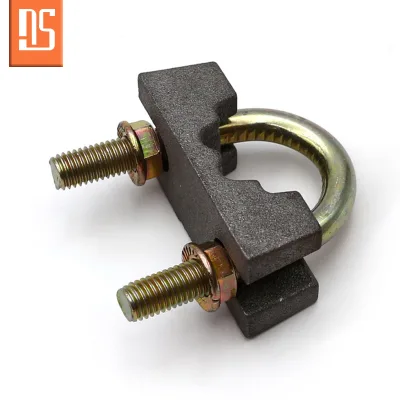
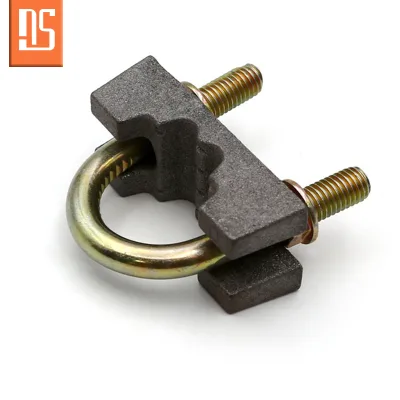
Comprehensive Sourcing Guide
Strategic Sourcing Guide for Thickened Iron Rolling Shutter Base Components
Procuring specialized industrial hardware, specifically Thickened Iron Rolling Shutter Base components, requires a disciplined approach that bridges the gap between generic product listings and precise engineering requirements. In the global B2B marketplace, the term "Thickened Iron Rolling Shutter Base" often appears alongside a diverse array of aluminum profiles, electric and manual systems, and various roller shutter accessories. Buyers must navigate a complex landscape where product attributes such as structure, installation methods, and material grades vary significantly. This guide provides a structured framework for evaluating suppliers and products, ensuring that the final procurement decision aligns with technical specifications, compliance standards, and long-term operational needs without relying on unverified claims.
Technical Specifications and Material Composition
The foundation of a successful procurement strategy lies in a rigorous understanding of technical specifications. When sourcing rolling shutter bases, the distinction between iron and aluminum is critical, as the supplied data indicates a market populated heavily by aluminum profiles, specifically the 60 Series and 6000 Series alloys. While the core keyword specifies "iron," buyers must verify if the supplier offers true iron bases or if the product is an aluminum alloy component designed for similar heavy-duty applications. The provided facts highlight that alloying ingredients often carry certifications such as CE, ISO, CIQ, RoHS, and TUV, which are essential for verifying material integrity.
Furthermore, the structural configuration of the shutter system dictates the base requirements. The market data reveals products with both vertical and horizontal structures, alongside open types that are either electric or manual. A thickened base must be compatible with the specific load-bearing requirements of the chosen structure. For instance, electric open types often require bases with higher torque resistance compared to manual systems. The product models listed, such as sk670, sk671, and sk575, suggest a wide range of specific dimensions and configurations. Buyers should not assume that a base labeled as "thickened" will fit all models; instead, they must cross-reference the specific model number, such as 45mm or 42mm, with the base's mounting dimensions. The standard size of 6m mentioned in the context may refer to profile lengths rather than base dimensions, necessitating a careful review of the "Any Size" or "Customer Customized" specifications to ensure a precise fit.
Compliance and Certification Verification
In the industrial hardware sector, compliance is not merely a formality but a prerequisite for market entry and operational safety. The supplied facts explicitly list CE as a standard for certain products, while other entries mention a broader suite of certifications including ISO, CIQ, RoHS, and TUV. When evaluating a supplier for thickened iron rolling shutter bases, buyers must demand proof of these certifications rather than accepting them as implied attributes. The presence of CE certification suggests compliance with European safety standards, which is vital for exports to the EU market. Similarly, RoHS compliance indicates that the product meets restrictions on hazardous substances, a critical factor for environmental and health safety.
However, the data also presents conflicting or ambiguous standard entries, such as "6m" or "Foldable" listed under the standard field. This inconsistency highlights the need for buyers to verify the actual standard documents provided by the supplier. A robust procurement process involves requesting the specific test reports and certification certificates that correspond to the product model. For example, if a product claims to meet the EN 1634-1 standard for fire resistance, the buyer must ensure this is documented, even though this specific standard appears in the low-confidence background section. The goal is to move from observed attributes to verified documentation. Buyers should also check for the origin of the product, as the data points to origins in Jiangsu, Changsha, and general China locations. While these are manufacturing hubs, the specific factory's compliance history and audit records are more relevant than the general region.
Cost Drivers and Pricing Dynamics
Understanding the cost drivers for rolling shutter bases is essential for budgeting and negotiation. The observed price range in the market spans from 0.1 to 600 USD, a vast disparity that reflects differences in material quality, customization levels, and order volumes. The Minimum Order Quantity (MOQ) ranges from 1 to 5000 units, indicating that small buyers may face higher per-unit costs, while bulk purchasers can leverage economies of scale. The "thickened" aspect of the base likely contributes to the cost, as it implies a higher material volume and potentially more complex manufacturing processes.
Material costs are a primary driver, with the data highlighting the use of 6000 Series and 1000 Series alloys. The 6000 Series is generally preferred for structural applications due to its strength and corrosion resistance, which may command a premium over lower-grade alloys. Additionally, the customization factor plays a significant role. Products listed as "Customized" or with "Customer Customized" sizes will inevitably cost more than standard off-the-shelf items. The packaging method, ranging from simple cartons to complex wooden boxes with bubble protective film, also adds to the final price. Buyers should analyze the total landed cost, including packaging and potential shipping, rather than focusing solely on the unit price. The data shows that some products are packed as 10,000 pieces per carton, while others are 30 pieces per bag, which affects logistics costs and handling efficiency.
Typical Applications and Functional Requirements
The application of rolling shutter bases varies widely depending on the end-use environment. The supplied facts indicate usage in bedding rooms, roller shutter doors, rolling doors, and industrial doors. This diversity means that a base designed for a residential bedding room may not suffice for an industrial application requiring anti-theft features. The data explicitly lists "Anti-theft" as a function for certain roller shutter accessories, suggesting that for high-security applications, the base must be integrated into a system that includes robust locking mechanisms and reinforced structures.
Furthermore, the installation method is a key functional requirement. The market offers both outside and inside installation options. A thickened iron base intended for outside installation must withstand environmental factors such as rain, wind, and temperature fluctuations, whereas an inside installation base may prioritize aesthetic integration and ease of access. The "Heat Insulation" function noted in the data is particularly relevant for applications where energy efficiency is a priority, such as in commercial buildings or cold storage facilities. Buyers must ensure that the base supports the specific functional needs of their project, whether it is for a simple residential gate or a complex industrial rolling door system. The compatibility with electric and manual open types must also be verified, as the base must accommodate the mechanical forces generated by the motor or manual operation.
Supplier Evaluation and Origin Analysis
Evaluating suppliers requires a deep dive into their capabilities, location, and track record. The data identifies suppliers originating from Jiangsu, Changsha, and other parts of China. While these regions are known for manufacturing, the specific capabilities of the supplier must be assessed. Buyers should look for suppliers who offer "High Quality" products and provide a warranty, with the data noting a "1 Years" warranty period for some items. The warranty period is a strong indicator of the supplier's confidence in their product's durability.
When evaluating a supplier, buyers should verify their ability to handle customization. The data shows that customization is available, and some products are explicitly marked as "Customized." This suggests that the supplier has the flexibility to meet specific client needs, which is crucial for non-standard applications. Additionally, the supplier's ability to provide consistent quality is paramount. The mention of "High Quality" as an attribute should be backed by quality control processes and certifications. Buyers should also consider the supplier's packaging standards, as the data shows a range from plastic packaging to wooden boxes with bubble film. A supplier that invests in protective packaging is likely to have a more rigorous quality control process to prevent damage during transit.
Quality Control and Long-Term Procurement
Ensuring long-term reliability involves implementing strict quality control measures throughout the procurement lifecycle. The data highlights several quality indicators, such as the "Bearing" warranty period and the use of specific alloy grades. Buyers should establish a quality control protocol that includes pre-shipment inspections, verification of material grades, and testing of the base's load-bearing capacity. The "1 Years" warranty mentioned in the data provides a baseline for expectations, but buyers should negotiate extended warranties or service level agreements for critical applications.
Long-term procurement considerations also include the availability of spare parts and the supplier's responsiveness to after-sales support. The data lists various product models, such as P4212 and RS-SL45, which suggests a need for a consistent supply chain to replace worn or damaged components. Buyers should ensure that the supplier can provide these specific models over the long term. Additionally, the "Foldable" standard mentioned in the data may indicate a specific design feature that requires maintenance or adjustment over time. A reliable supplier will offer technical support and training to ensure that the installed bases continue to function correctly.
Comparative Analysis of Product Attributes
To facilitate decision-making, buyers can utilize a comparative analysis of the key attributes observed in the market. The following table summarizes the critical differences between various product types based on the supplied data.
| Attribute | Product Type A (Aluminum Profile) | Product Type B (Roller Shutter Accessory) | Product Type C (Customized Base) |
|---|---|---|---|
| Material | Alloy (6000 Series) | Alloy | Customized Material |
| Structure | Vertical / Horizontal | Roller Shutter Door | Customized |
| Open Type | Electric / Manual | Roller Door / Rolling Door | Customized |
| Standard | CE | Customized | Customized |
| Origin | Jiangsu, China | Changsha, China | China |
| Packing | Cartons with Shrink-Wrapped | Plastic / Wooden Box | Bubble Film / Wooden Box |
| Function | Heat Insulation | Anti-theft | Customized |
| Warranty | 1 Years | Bearing | Customized |
This comparison highlights the diversity in the market and underscores the importance of matching specific requirements to the correct product type. Buyers must carefully review the "Type" and "Function" columns to ensure the selected product aligns with their operational needs. The "Standard" column, while showing "CE" for some, also lists "Customized" for others, reinforcing the need for verification.
Final Procurement Considerations
In conclusion, sourcing Thickened Iron Rolling Shutter Base components requires a meticulous approach that balances technical specifications, compliance, cost, and supplier reliability. The market data reveals a complex ecosystem of products with varying attributes, from material grades to installation methods. Buyers must navigate this landscape by verifying certifications, understanding cost drivers, and evaluating supplier capabilities. By focusing on high-quality materials, robust compliance, and long-term support, buyers can secure products that meet their specific needs and ensure the longevity and safety of their rolling shutter systems. The key to success lies in detailed due diligence and a clear understanding of the specific requirements of the application, ensuring that the final procurement decision is both strategic and sound.
FAQs
What certifications are available for Thickened Iron Rolling Shutter Base components?
Certifications such as CE, ISO, CIQ, RoHS, and TUV are available for alloy components. Buyers must verify specific documents for each model, as standards vary between products like the 6000 Series alloy profiles and general accessories.
Can I find custom sizes for Thickened Iron Rolling Shutter Base parts?
Yes, customer customized sizes are available for many products. The market offers options ranging from standard 45mm or 42mm models to fully bespoke dimensions, allowing for precise integration into specific roller shutter systems.
Which installation methods are supported for thickened iron rolling shutter bases?
Both outside and inside installation methods are supported for these components. This flexibility allows the base to be integrated into various structural configurations, including vertical or horizontal setups for electric or manual open types.
How is the Thickened Iron Rolling Shutter Base typically packed for shipping?
Packaging varies from cartons with shrink wrap to wooden boxes with bubble protective film. Some items use plastic packaging or specific bag quantities like 30 pieces per bag, depending on the supplier and product model.
What warranty periods are offered for Thickened Iron Rolling Shutter Base units?
A 1-year warranty period is standard for some high-quality products. Buyers should confirm if the warranty covers specific components like bearings or the entire assembly to ensure long-term operational reliability.
Can the Thickened Iron Rolling Shutter Base be used in bedding rooms?
Yes, these components are suitable for usage in bedding rooms. They often provide heat insulation and can be part of systems designed for specific room applications, ensuring comfort and security.
Which alloy grades are used in Thickened Iron Rolling Shutter Base manufacturing?
Alloy grades include the 6000 Series and 1000 Series for structural strength. These materials are selected for their durability and compliance with standards like CE, ensuring the base meets industrial and commercial requirements.