Source Tin Can for Chemical, Paint, and Food Packaging
Source Tin Can products for industrial and consumer applications. Compare 30 listings featuring metal tin cans with capacities from 0.185L to 5L. Options include ISO-certified barrels and small package tanks for chemicals, paints, and food storage; compare the available evidence and request quotations based on your requirements.
Key considerations
Products List
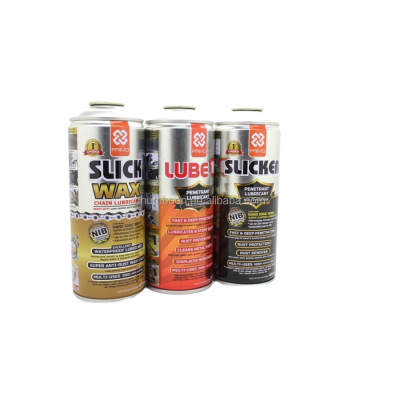


Comprehensive Sourcing Guide
Tin Can Sourcing Guide
Sourcing metal tin cans requires a clear understanding of the diverse industrial applications and material properties that define their utility. These containers serve as critical packaging solutions for a wide array of products, ranging from chemical agents and lubricating oils to food items and paints. The versatility of tin cans allows them to function as dye packaging barrels, sealing packing barrels, and color printing packing barrels, making them suitable for both hazardous and non-hazardous contents. Buyers must recognize that the term "Tin Can" often encompasses various forms, including small package tanks and larger industrial buckets, each with distinct structural requirements.
The procurement process involves navigating a complex landscape of specifications, from wall thickness and capacity to customization options and printing capabilities. Suppliers often offer customized logos, colors, and specific dimensions to meet unique branding or functional needs. Understanding the distinction between different types, such as those with dry covers or specific sealing mechanisms, is essential for ensuring product integrity during storage and transit. This guide provides a structured approach to evaluating suppliers, verifying technical details, and managing commercial terms to secure reliable supply chains for Tin Can packaging needs.
Product Scope and Observed Listing Signals
The observed market signals indicate a broad range of product types, including metal tin cans, plastic packaging barrels, and tank containers, with capacities varying from small volumes like 0.185 liters to larger sizes up to 5 liters. Listings frequently highlight features such as eco-friendly materials, customizability, and specific industrial uses like chemical or food packaging. Buyers should note that while some products are described as tin, others may involve different materials or classifications, necessitating careful verification of the actual composition. The presence of stretch film or PE bag packing suggests attention to protective measures during shipping, which is crucial for maintaining product quality.
Price ranges and minimum order quantities (MOQs) vary significantly across listings, with MOQs ranging from 2,000 to 500,000 pieces and prices observed between $0.02 and $2.90. These variations reflect differences in material quality, customization levels, and production volumes. Buyers must align their order quantities with supplier capabilities, as some suppliers offer free samples or accept customized logos, while others have strict printing MOQs. Understanding these signals helps in identifying suppliers who can meet specific volume requirements and budget constraints, ensuring a smoother procurement process.
Technical Specifications to Verify
Verifying technical specifications is paramount to ensuring that the tin cans meet the intended application requirements. Key attributes to confirm include the material composition, such as tin or other metals, and the wall thickness, which can impact durability and protection. Dimensions, including diameter and height, should be cross-referenced with the supplier’s standard models, such as the Innopack series, to ensure compatibility with existing filling and sealing equipment. Additionally, the capacity of the cans, whether 4 liters or smaller volumes, must align with the product’s volume needs to prevent overflow or underutilization of packaging space.
Printing and customization options are also critical technical considerations. Buyers should verify the printing methods, such as CMYK 4-color offset printing, and the minimum order quantities for custom designs, which can affect lead times and costs. The shape of the cans, whether round or other forms, and the presence of specific features like dry covers or sealing mechanisms, should be confirmed to ensure they meet functional requirements. Understanding these technical details helps in selecting the right product variant and avoiding mismatches between packaging and product characteristics.
Compliance and Safety Documentation
Compliance with safety and quality standards is essential for tin cans, especially when used for food, chemicals, or other sensitive products. Buyers should request documentation for certifications such as ISO, CE, and CIQ, which indicate adherence to international quality and safety norms. These certifications provide assurance that the manufacturing processes and materials meet specific regulatory requirements, reducing the risk of product contamination or failure. It is crucial to verify the validity and scope of these certifications, ensuring they cover the specific product types and applications intended for use.
In addition to certifications, buyers should inquire about the supplier’s quality control processes and any relevant industry standards, such as ISO 9001 or ISO 22000, if applicable. These standards reflect the supplier’s commitment to consistent quality and safety management systems. Understanding the compliance landscape helps in mitigating risks associated with regulatory non-compliance, which can lead to product recalls or legal issues. By prioritizing suppliers with robust compliance documentation, buyers can ensure that their packaging solutions meet both legal and customer expectations.
Cost Drivers and Commercial Terms
Several factors influence the cost of tin cans, including material prices, customization levels, and order volumes. Buyers should analyze the price ranges and MOQs to determine the most cost-effective options for their needs. Customization, such as logo printing or specific dimensions, often incurs additional costs and may have higher MOQs, impacting the overall budget. Understanding these cost drivers helps in negotiating favorable terms and selecting suppliers who offer competitive pricing without compromising on quality.
Commercial terms, including lead times and payment conditions, are also critical considerations. Suppliers may offer delivery times ranging from 5 to 30 days, depending on the order quantity, and require a deposit before production begins. Buyers should clarify these terms to ensure they align with their production schedules and cash flow requirements. Additionally, understanding the supplier’s sample policies, such as providing free samples, can help in evaluating product quality before committing to large orders. Clear communication of commercial terms helps in establishing a transparent and mutually beneficial partnership.
Supplier Qualification and Quality Control
Evaluating supplier qualifications is a crucial step in ensuring the reliability and consistency of Tin Can supplies. Buyers should assess the supplier’s production capabilities, including their ability to handle large volumes and meet specific customization requirements. Checking the supplier’s track record, customer reviews, and references can provide insights into their reliability and quality standards. Additionally, verifying the supplier’s location, such as Suzhou, China, can help in understanding logistical considerations and potential shipping costs.
Quality control processes should be thoroughly reviewed to ensure that the supplier maintains high standards throughout production. Buyers should inquire about the supplier’s inspection procedures, testing methods, and any quality assurance certifications they hold. Understanding these processes helps in identifying potential risks and ensuring that the final products meet the required specifications. By selecting suppliers with robust quality control measures, buyers can minimize the risk of defects and ensure consistent product quality.
Long-Term Procurement Checks
Establishing long-term procurement relationships requires ongoing monitoring and evaluation of supplier performance. Buyers should regularly review key performance indicators, such as delivery times, product quality, and responsiveness to issues, to ensure that the supplier continues to meet expectations. Regular audits and site visits can provide valuable insights into the supplier’s operations and help identify areas for improvement. Maintaining open communication channels with suppliers fosters collaboration and enables proactive problem-solving.
Additionally, buyers should stay informed about market trends and regulatory changes that may impact the Tin Can industry. This includes monitoring material price fluctuations, new sustainability requirements, and emerging technologies in packaging. By staying ahead of these changes, buyers can adapt their procurement strategies and maintain a competitive edge. Long-term procurement checks ensure that the supply chain remains resilient and capable of meeting evolving business needs, supporting sustained growth and success.
FAQs
What certifications do the tin cans have?
The tin cans hold ISO, CE, and CIQ certifications to ensure quality and safety standards. These certifications verify that the manufacturing processes meet international requirements for food and chemical packaging applications.
Can I get a customized logo on the Tin Can?
Yes, you can request a customized logo on the Tin Can to match your brand identity. The supplier offers customization services for logos and colors, though a specific printing minimum order quantity of 10,000 pieces applies.
What is the minimum order quantity for tin cans?
The minimum order quantity varies by product type, ranging from 2,000 to 30,000 pieces depending on the specific model. Some items require 5,000 pieces as a baseline, while larger industrial orders may start at 30,000 units.
How long is the delivery time for tin cans?
Delivery typically takes between 5 to 30 days after receiving the deposit, depending on the order quantity. Some suppliers specify a lead time of within 30 days following the receipt of a 30% deposit for production scheduling.
What materials are used to make these tin cans?
These tin cans are manufactured using tin metal, providing durability and protection for various contents. The material is suitable for packaging chemicals, paints, food, and other industrial liquids while maintaining structural integrity during transport.
Which capacities are available for the metal tin cans?
Available capacities include 4 liters, 0.185 liters, and 0.5 liters for different packaging needs. The product range covers a general capacity span from 1 to 5 liters to accommodate diverse industrial and consumer requirements.
Where are the tin cans manufactured?
The tin cans are manufactured in Suzhou, China, which is a known industrial hub for packaging production. This location ensures efficient logistics and access to established supply chains for bulk manufacturing and export operations.