Source Metal and Plastic Toolboxes for Electrical and Industrial Use
Compare 30 available Toolbox options made from metal, aluminum alloy, and engineering PP. These cases offer waterproof and shockproof protection for electrical tools, featuring custom logo printing and various sizes to suit different carrying needs.
Key considerations
Products List


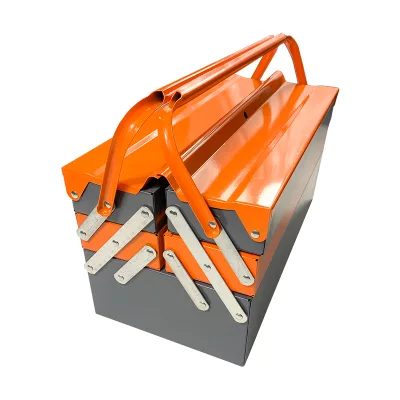


Comprehensive Sourcing Guide
Toolbox Sourcing Guide
Sourcing industrial-grade toolboxes requires a disciplined approach that balances physical durability with regulatory compliance. The market offers a wide spectrum of options, ranging from simple plastic containers to complex aluminum alloy cases designed for sensitive instrumentation. Buyers must navigate a landscape where material composition, protective ratings, and customization capabilities vary significantly between suppliers. This guide provides a structured framework for evaluating these products, ensuring that procurement decisions are grounded in verified specifications rather than marketing claims. By focusing on observable listing signals and technical requirements, buyers can mitigate risk and secure equipment that meets operational demands.
The following sections detail the critical factors involved in selecting the right Toolbox for specific use cases. We examine the observed product attributes, technical verification steps, compliance documentation, cost structures, supplier qualifications, and long-term maintenance checks. Each section is designed to help procurement professionals make informed decisions, from initial product screening to final quality acceptance. The goal is to provide a comprehensive, evidence-based roadmap that aligns with B2B sourcing best practices while adhering strictly to available data and trusted industry knowledge.
Product Scope and Observed Listing Signals
The current market for toolboxes exhibits a diverse range of materials and configurations, primarily driven by the intended application environment. Observed listings indicate a strong presence of products constructed from metal, aluminum alloy, and various plastics, including engineering PP and standard polypropylene. These materials are selected for their specific balance of weight, strength, and cost. For instance, aluminum alloy cases are often preferred for their lightweight durability, while plastic variants offer cost-effective solutions for general-purpose storage. The presence of "Partial Hard" hardness attributes suggests that some products may feature reinforced corners or lids, providing enhanced protection against impact without the full weight of a solid metal construction.
Packaging and customization options are significant differentiators in this category. Suppliers frequently offer carton, pallet, or PE bag+carton packing methods, allowing buyers to optimize logistics based on volume and destination. Customization is widely available, with options for logo printing via PVC stickers, silk printing, or metal labels. Color choices typically include grey, black, or customized combinations such as black/orange, catering to brand identity or safety visibility requirements. The "Unisex" gender attribute and "Hand-Held" kind designation indicate that many of these cases are designed for portability and ease of use by a broad workforce, particularly for electrical tools or small instrument protection.
Technical Specifications to Verify
When evaluating technical specifications, buyers must prioritize protective capabilities and dimensional accuracy. Key functional attributes observed include waterproof, shockproof, and dustproof features, with some products explicitly rated for IP67 standards. This rating implies complete protection against dust ingress and temporary immersion in water, which is critical for tools used in harsh outdoor or industrial environments. Additionally, the inclusion of foam inserts made from PU, EVA, EPE, or XPE materials is essential for securing instruments and preventing internal damage during transit. Buyers should verify the thickness and density of these foams to ensure they match the specific dimensions and fragility of the tools being stored.
Capacity and bearing capacity are also crucial technical parameters. Listings show a range from small to medium capacity, with specific dimensions such as 25.51210cm and 480360210mm. Bearing capacities are noted between 3-10 kg, which helps buyers determine the maximum load the case can safely support without structural failure. The "Medium Capacity" designation often correlates with these dimensions, making them suitable for sets of electrical tools or measurement instruments. Buyers must cross-reference these internal dimensions with their actual tool inventory to ensure a proper fit, avoiding excessive empty space that could lead to item movement and damage.
Compliance and Safety Documentation
Regulatory compliance is a non-negotiable aspect of sourcing industrial equipment, particularly when products are intended for use in regulated markets. Observed listings frequently cite CE, SGS, and RoHS certifications, indicating adherence to European safety, health, and environmental protection standards. RoHS compliance, in particular, restricts the use of specific hazardous materials in electrical and electronic equipment, which is relevant for toolboxes that may house or protect such devices. Buyers should request valid certification documents from suppliers to verify that these claims are backed by accredited testing laboratories, rather than relying solely on product descriptions.
Beyond standard certifications, specific product models may carry additional safety ratings. For example, the model YF-CJ8017 is associated with IP67/RoHS/Reach certifications, highlighting a comprehensive approach to safety and environmental compliance. Reach compliance ensures that the product does not contain Substances of Very High Concern (SVHC) above specified thresholds, which is increasingly important for supply chain transparency. Buyers should ensure that all documentation is up-to-date and covers the specific batch or production run of the ordered goods, as certifications can be subject to renewal or revision.
Cost Drivers and Commercial Terms
The cost of toolboxes is influenced by several key factors, including material type, customization level, and order quantity. Observed price ranges in the market span from $1 to $160, reflecting the diversity from basic plastic cases to high-end aluminum alloy solutions. Minimum Order Quantities (MOQs) vary widely, from as low as 1 unit to 1000 units, allowing for both sample testing and bulk procurement. Buyers should consider the total cost of ownership, which includes not only the unit price but also shipping, packaging, and potential customization fees. Higher customization levels, such as specific logo printing or custom foam inserts, typically incur additional costs and may affect lead times.
Commercial terms also play a significant role in the overall procurement strategy. Suppliers may offer flexible packing options, such as palletizing for large orders, which can reduce handling costs but increase shipping volume. The "OEM: Yes" attribute indicates that many suppliers are willing to produce white-label products, which can be beneficial for companies looking to brand their own tool storage solutions. Buyers should negotiate clear terms regarding payment methods, delivery schedules, and return policies, especially when dealing with customized orders. Understanding these commercial dynamics helps in budgeting accurately and avoiding unexpected expenses during the procurement process.
Supplier Qualification and Quality Control
Selecting a reliable supplier is critical to ensuring consistent product quality and service. Buyers should verify the supplier's production capabilities, particularly their ability to handle customization requests and maintain quality standards. The presence of "Customization: Available" and "OEM: Yes" attributes suggests that many suppliers have flexible manufacturing processes. However, buyers must assess the supplier's track record in delivering products that meet specified technical requirements, such as IP67 ratings and material durability. Requesting samples before placing bulk orders is a best practice to evaluate build quality, foam fit, and overall finish.
Quality control measures should be clearly defined in the purchase agreement. Buyers should inquire about the supplier's internal testing procedures, including drop tests for shockproof claims and water immersion tests for waterproof ratings. The use of trusted third-party inspection services can provide an additional layer of assurance, verifying that the delivered goods match the approved samples and specifications. Suppliers with a history of providing SGS or CE certifications are likely to have more robust quality management systems in place. Establishing a clear communication channel for addressing defects or discrepancies is essential for maintaining a successful long-term partnership.
Long-Term Procurement Checks
Long-term procurement success depends on continuous monitoring of product performance and supplier reliability. Buyers should establish a feedback loop with end-users to gather insights on the durability and functionality of the toolboxes in real-world conditions. Issues such as latch failure, foam degradation, or seal leakage should be documented and addressed with the supplier promptly. Regular audits of supplier performance, including on-time delivery rates and defect percentages, can help identify potential risks early. This proactive approach ensures that the procurement strategy remains aligned with operational needs and quality expectations.
Additionally, buyers should stay informed about changes in regulatory standards and market trends that may impact product specifications. For instance, updates to RoHS or Reach regulations may require adjustments in material sourcing or certification documentation. Maintaining a diverse supplier base can mitigate risks associated with single-source dependencies, ensuring continuity of supply even if one supplier faces production issues. By regularly reviewing and updating procurement criteria, buyers can optimize their Toolbox sourcing strategy, balancing cost, quality, and compliance to support their organization's long-term goals.
FAQs
What materials are used for these toolboxes?
The toolboxes are constructed from metal, aluminum alloy, plastic, and engineering PP. Some models feature a polyester inside material and PU, EVA, EPE, or XPE foam for protection. The outer casing is typically grey or black, ensuring durability for electrical tools and general storage needs.
Are these toolboxes waterproof and shockproof?
Yes, the toolboxes are designed to be waterproof and shockproof. They often carry IP67 ratings and meet RoHS and Reach standards. This ensures that sensitive instruments and tools remain protected from dust, water, and physical impacts during transport or storage in various environments.
Can I customize the logo and packaging?
Customization is available for both logos and packaging. You can choose PVC stickers, silk printing, or metal labels for branding. Packaging options include cartons, pallets, or PE bags plus cartons, and can be tailored as per your specific request to meet your distribution requirements.
What is the typical capacity and weight?
The toolboxes offer medium capacity and are suitable for holding 3-10 kg of items. The gross weight typically ranges from 1 to 1.5 kg. They are designed as hand-held cases, making them portable and convenient for carrying electrical tools and protective equipment on the go.
What certifications do these toolboxes have?
These toolboxes hold CE, SGS, and RoHS certifications. They also comply with Reach standards and may feature IP67 ratings for environmental protection. These certifications ensure that the products meet international safety and quality standards for manufacturing and usage in various global markets.
What are the standard dimensions for these cases?
Standard dimensions include sizes like 25.5*12*10cm and 480*360*210mm. The product line includes small, middle, and medium size options. These varied dimensions allow you to select the appropriate case size for different types of tools, ensuring a secure fit and efficient storage space.