Source Tornado Car Washing Gun for Detailing, Washing, and Drying
Find and compare 30 Tornado Car Washing Gun options from verified manufacturers. Evaluate specifications like pressure, material, and power source to select the right tool for professional auto detailing and interior cleaning tasks.
Key considerations
Products List
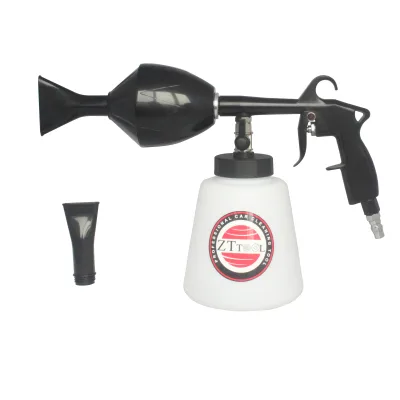
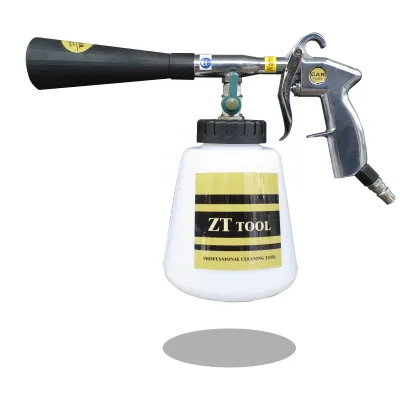
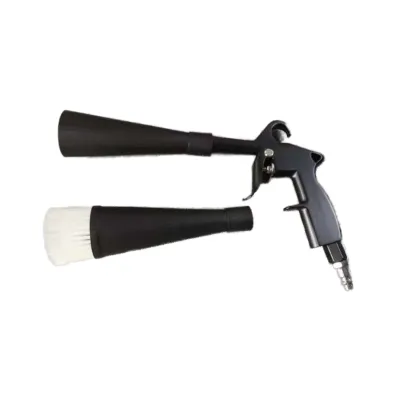
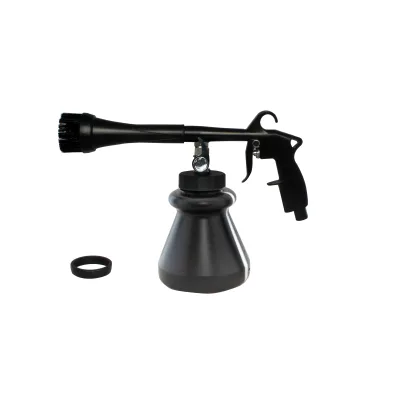
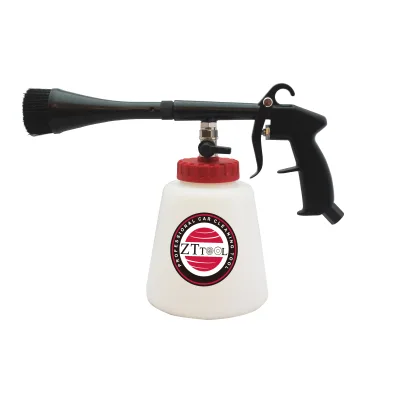


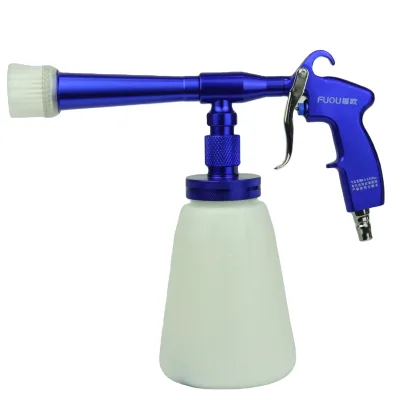
Tornado Car Cleaning Dust Blowing Gun Car Washing Tool Pressure Gun for Car Wash
$14.50 - $17.50
MOQ: 300 pieces
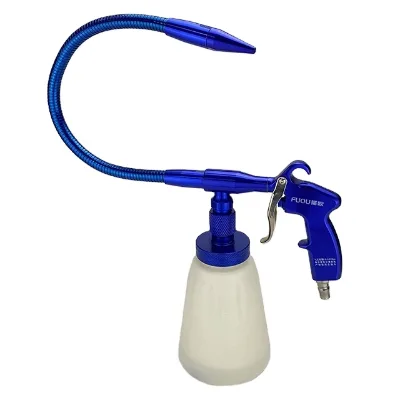
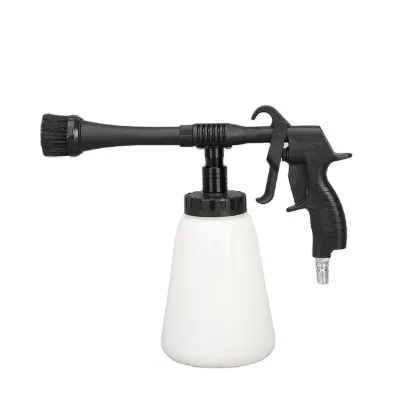
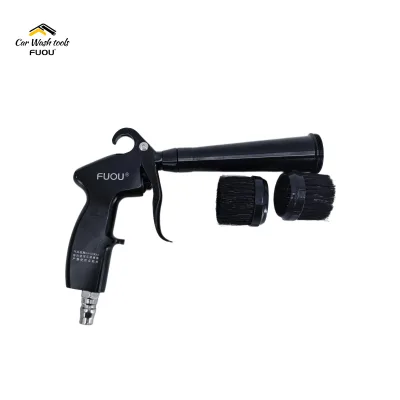
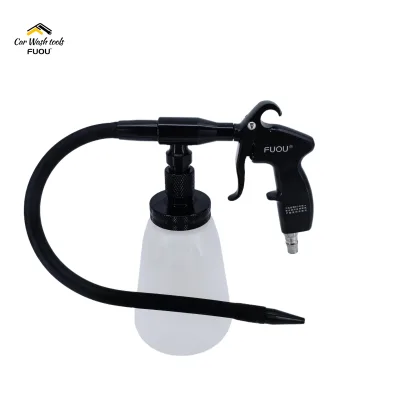


Air Interior Cleaning Tools Car Washing Gun Twist Tornado Car Cleaning Foam Gun
$17500.00 - $18500.00
MOQ: 1 Pieces
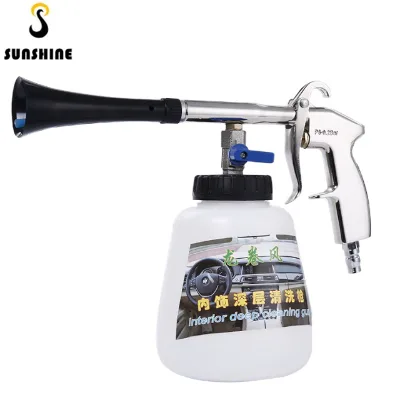
Comprehensive Sourcing Guide
Tornado Car Washing Gun Sourcing Guide
The Tornado Car Washing Gun represents a specialized category of pneumatic and electric cleaning tools designed to deliver high-pressure air mixed with liquid for efficient vehicle interior and exterior cleaning. These devices, often referred to as tornado guns or foam cannons, leverage the Venturi effect or direct pressurization to atomize cleaning solutions, creating a thick foam that clings to surfaces to loosen dirt and grime. For procurement professionals, understanding the distinction between purely pneumatic models and electric variants is critical, as the power source dictates the operational environment, portability, and required infrastructure at the point of use. The observed market listings indicate a diverse range of configurations, from compact handheld units to more robust industrial-grade washers, each serving different segments of the automotive care industry.
Procurement decisions for these tools must balance performance metrics such as output power, pressure capacity, and battery life against ergonomic factors and material durability. The supplied data highlights a wide variance in specifications, with some units boasting output powers up to 1500W and others listing "other" or unspecified power ratings, which necessitates rigorous verification during the sourcing phase. Furthermore, the presence of multiple brand names, model numbers, and material compositions in the current market signals a fragmented supplier landscape. Buyers must navigate this complexity by establishing clear technical requirements and validation protocols to ensure that the selected equipment meets the specific operational demands of their fleet maintenance or detailing operations.
Product Scope and Observed Listing Signals
The current market for tornado car washing guns exhibits significant variability in product attributes, reflecting a broad spectrum of intended uses and manufacturing standards. Listings indicate that these tools are primarily marketed for car interior washing, though their high-pressure capabilities often extend to exterior detailing tasks. The observed product names range from "Tornado Air Gun" to "tornado gun" and "Car Washer," suggesting that terminology is not yet standardized across suppliers. This lack of uniform nomenclature requires buyers to look beyond product titles and focus on functional descriptions, such as the ability to "spray air with liquid," to accurately identify the tool’s capabilities. The presence of both "Multicolor" and specific color options like "Black" or "Black white" indicates that aesthetic customization is available, which may be relevant for branding purposes in commercial detailing businesses.
Material composition and physical dimensions vary widely among the observed listings, presenting both opportunities and challenges for procurement. Some units are constructed from steel, while others utilize aluminum alloy or a combination of steel, plastic, and brass components. This divergence in materials directly impacts the tool’s weight, durability, and resistance to corrosion, with some listings specifying a weight of 1kg or 1.5kg. Additionally, package sizes range from compact dimensions like 13x6x26 cm to larger configurations, affecting shipping costs and storage requirements. Buyers must carefully evaluate these physical specifications to ensure compatibility with their existing workflow and storage infrastructure, particularly when sourcing in bulk quantities where packaging efficiency can significantly influence total landed cost.
Technical Specifications to Verify
Power source and output capacity are the most critical technical differentiators for tornado car washing guns, directly influencing cleaning efficiency and operational flexibility. The observed data includes electric models with specified output powers, such as 1500W, alongside units with unspecified or "other" power ratings. For electric models, battery capacity is a key performance indicator, with some listings citing capacities above 8000mAh, which suggests extended runtime for continuous use. However, the presence of "other" battery capacity listings indicates that not all products provide transparent energy specifications. Buyers must verify whether the tool is corded or cordless, and if cordless, confirm the actual usable runtime under load, as nominal battery capacity does not always correlate with practical performance.
Pressure output and nozzle design are equally vital for ensuring effective cleaning results. Several listings specify a pressure rating of greater than 8MPa, which is a substantial pressure level suitable for deep cleaning tasks. However, other entries list pressure as "other," requiring explicit confirmation from the supplier to avoid underpowered equipment. The nozzle type is another area of variation, with fan-shaped nozzles being a common feature for even coverage. Buyers should also verify the model numbers, such as 030B or 030C, as these often correspond to specific internal configurations or accessory kits. Ensuring that the pressure and nozzle specifications align with the intended cleaning application is essential to prevent damage to delicate surfaces or inadequate cleaning performance.
Compliance and Safety Documentation
Certification requirements are a fundamental aspect of sourcing industrial cleaning equipment, ensuring that the tools meet regional safety and environmental standards. The observed listings include CE and RoHS certifications for some units, which are critical for importing into the European Union and other markets with similar regulatory frameworks. CE marking indicates conformity with health, safety, and environmental protection standards, while RoHS restricts the use of specific hazardous materials in electrical and electronic products. Buyers must request valid certification documents and verify their authenticity, as the presence of a logo on a product listing does not guarantee that the specific batch or model is certified. This verification step is particularly important for electric models, which pose additional electrical safety risks.
Material safety and construction quality are also key components of compliance and risk management. The use of materials such as steel, aluminum alloy, and brass must be verified to ensure they are suitable for the intended environment, particularly regarding corrosion resistance and chemical compatibility with cleaning agents. Some listings mention "check details" for product standards, indicating that compliance information may not be fully disclosed upfront. Buyers should require detailed material safety data sheets (MSDS) and construction specifications to assess potential risks, such as the release of harmful substances or mechanical failure under high pressure. Establishing clear compliance requirements in the purchase agreement can mitigate legal and operational risks associated with non-compliant equipment.
Cost Drivers and Commercial Terms
Pricing and minimum order quantities (MOQ) are significant factors in the total cost of ownership for tornado car washing guns. The observed price range spans from $0.99 to $18,500, reflecting a vast disparity in product quality, brand value, and included features. This wide range suggests that low-cost options may lack essential certifications or durable materials, while high-end models may offer advanced features, extended warranties, or bulk packaging efficiencies. Buyers must align their budget with their performance requirements, avoiding the temptation to select the lowest price without a thorough evaluation of the product’s technical specifications and supplier reliability. The MOQs observed range from 1 to 1000 units, with some listings specifying 99 pieces, indicating flexibility for both small-scale and large-scale procurement.
Commercial terms such as warranty, customization, and packaging details also impact the overall procurement strategy. A one-year warranty is mentioned for some products, providing a baseline level of protection against manufacturing defects. Customization options are available, allowing buyers to tailor the product to their specific branding or functional needs, which can add value but may also increase lead times and costs. Packaging details, such as carton quantities and single package weights, are crucial for calculating shipping costs and handling requirements. Buyers should negotiate clear terms regarding warranty coverage, return policies, and customization fees to ensure a transparent and predictable procurement process.
Supplier Qualification and Quality Control
Supplier qualification is essential for mitigating risks associated with inconsistent product quality and unreliable delivery. The observed listings indicate that many suppliers are located in Zhejiang, China, a major manufacturing hub for tools and hardware. While this region offers access to a wide range of suppliers, it also requires buyers to conduct thorough due diligence to identify reputable manufacturers. Verification of the supplier’s business license, production capacity, and quality management systems is a critical first step. Buyers should also assess the supplier’s responsiveness to technical inquiries and their willingness to provide detailed product specifications and certification documents.
Quality control measures must be integrated into the procurement process to ensure that the delivered products meet the agreed-upon standards. This includes implementing pre-shipment inspections to verify product dimensions, material composition, and functional performance. For electric models, testing battery capacity and output power under load is essential to confirm that the products perform as advertised. Buyers should also establish clear acceptance criteria for cosmetic defects and packaging integrity, as these can affect the product’s marketability and customer satisfaction. Regular communication with the supplier regarding quality feedback and continuous improvement initiatives can help maintain high standards over time.
Long-Term Procurement Checks
Long-term procurement success depends on establishing a robust framework for ongoing supplier performance evaluation and product lifecycle management. Buyers should regularly review supplier performance metrics, including on-time delivery rates, product defect rates, and responsiveness to issues. This data-driven approach allows for the identification of high-performing suppliers and the early detection of potential problems. Additionally, buyers should stay informed about changes in product specifications, certifications, and market trends to ensure that their procurement strategy remains aligned with operational needs and regulatory requirements.
Continuous improvement in the sourcing process involves refining technical specifications and commercial terms based on past experiences and feedback. Buyers should document lessons learned from previous purchases, including any issues related to product performance, supplier communication, or logistics. This knowledge base can be used to update request for quotation (RFQ) templates and negotiation strategies, leading to more efficient and effective procurement cycles. By maintaining a proactive approach to supplier management and product evaluation, buyers can ensure a steady supply of high-quality tornado car washing guns that support their operational goals and customer satisfaction.
FAQs
What is the output power of the ZTTOOL Tornado Air Gun?
The ZTTOOL Tornado Air Gun features an output power of 1500W. This electric power source ensures efficient operation for car interior washing tasks. The device is designed to handle high-pressure requirements, with a pressure rating exceeding 8MPa. This combination of power and pressure allows for effective cleaning of vehicle interiors without the need for excessive water usage.
What certifications does the Tornado Air Gun have?
The Tornado Air Gun holds CE and RoHS certifications. These certifications indicate compliance with European health, safety, and environmental protection standards. Buyers can rely on these documented credentials for regulatory compliance in international markets. The product is manufactured in Zhejiang, China, and meets specific industry standards for electrical tools used in automotive care.
What is the minimum order quantity for this product?
The minimum order quantity is 99 pieces. This MOQ applies to the standard listing for the Tornado Air Gun. Buyers should note that observed MOQ ranges across similar listings can vary from 1 to 1000 units. However, for this specific model, the 99-piece threshold is the confirmed baseline for procurement. Bulk orders may offer different pricing structures.
What materials are used in the construction of the gun?
The Tornado Air Gun is constructed from steel, aluminum alloy, and brass components. Some listings also mention plastic components for specific parts. This combination of materials ensures durability and resistance to corrosion during car washing operations. The use of steel and brass provides structural integrity, while aluminum alloy may be used for weight reduction in certain models.
Can the product be customized for specific branding needs?
Yes, customization is available for the Tornado Air Gun. Buyers can request custom branding or specific modifications to meet their requirements. The product page explicitly states that customization options are available. This allows businesses to tailor the product to their specific market needs or corporate identity. Buyers should contact suppliers directly to discuss specific customization details and potential lead times.
What is the warranty period for the Tornado Air Gun?
The Tornado Air Gun comes with a 1-year warranty. This warranty covers manufacturing defects and ensures product reliability for the buyer. The warranty period is a standard offering for this electric car washer. Buyers should retain proof of purchase to validate the warranty claim. This support provides assurance for long-term use in professional car washing environments.