Source Tractors for Lawn, Garden, and Farm Use
Find and compare 30 new wheel tractors including lawn, garden, and farm models with 4WD or 2WD options. Buyers can review specifications like power, drive type, and service life to select the right equipment for their needs.
Key considerations
Products List

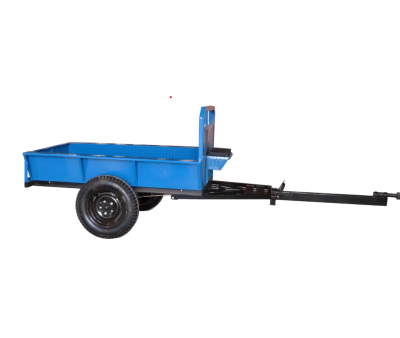
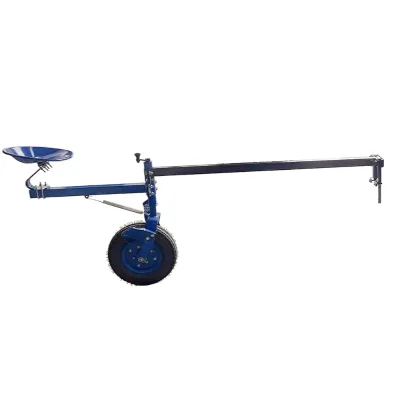
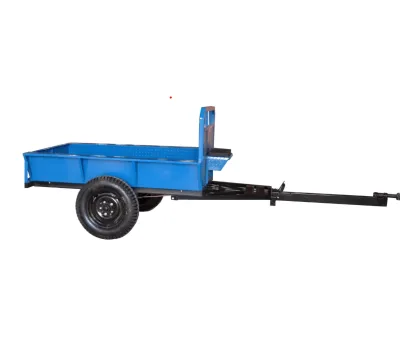


Chinese Agricultural Tractors Covering a Range of 50 to 260 Horsepower
$7300.00 - $36500.00
MOQ: 1 Pieces

High Quality Agricultural Tractors Covering a Range of 50 to 260 Horsepower
$7600.00 - $38000.00
MOQ: 1 Pieces


Comprehensive Sourcing Guide
Strategic Sourcing Guide for Agricultural Tractors
The global market for agricultural machinery presents a complex landscape for procurement professionals seeking reliable equipment for farm operations. When sourcing tractors, buyers must navigate a wide array of technical configurations, regulatory requirements, and supply chain variables. This guide synthesizes available market data to provide a disciplined framework for evaluating potential suppliers and selecting equipment that aligns with specific operational needs. The focus remains on evidence-based criteria derived from current product listings, ensuring that procurement decisions are grounded in verified attributes rather than speculative claims.
Technical Specifications and Configuration Analysis
Understanding the technical architecture of a Tractor is the first step in any sourcing strategy. The market offers diverse configurations ranging from small, electric units to heavy-duty diesel models. A critical observation in the current supply base is the variation in drive systems. Buyers will encounter options featuring 4WD (Four-Wheel Drive) configurations, which are typically associated with larger units designed for lawn, garden, and farm Tractor applications. Conversely, other listings specify 2WD (Two-Wheel Drive) systems, often found in smaller, more maneuverable units. The distinction between these drive types directly impacts traction capabilities and suitability for different terrain conditions.
Power sources also vary significantly across the catalog. While traditional combustion engines utilizing Gas or Diesel fuel remain prevalent, there is a distinct segment of electric tractors available. These electric models are characterized by specific battery voltage ranges, such as 48V with capacities between 300 and 550 V/a, and utilize Motion Controllers (AC) for operation. Power output for larger diesel units can reach 90HP, with transmission systems offering up to 16 forward and 8 reverse gears. This high gear count suggests a design optimized for varied field speeds and load requirements.
Dimensions and weight are equally critical for logistics and operational fit. Product listings indicate a wide spectrum of sizes, categorized as Small, Medium, and specific four-wheel configurations. Weight data reveals a disparity; some compact units weigh approximately 28.7 kg, while larger service weights for heavy-duty models range from 1300 to 2100 kg. Physical dimensions also fluctuate, with some units listed with standard dimensions around 1900x900x1400 mm, while others have specific loading capacity standards ranging from 5000 to 10000 kg. Buyers must cross-reference these physical attributes against their facility constraints and transport capabilities.
Compliance and Certification Verification
In the international trade of agricultural machinery, compliance with safety and quality standards is non-negotiable. The observed market data highlights several key certifications that buyers should prioritize during the supplier evaluation phase. The CE marking is a recurring attribute in the supply list, indicating conformity with health, safety, and environmental protection standards for products sold within the European Economic Area. Furthermore, ISO certifications appear frequently, with some listings specifying ISO/TSISO and general ISO compliance. These certifications suggest that the manufacturing processes adhere to recognized quality management systems.
However, buyers must exercise caution regarding the completeness of compliance documentation. While certifications are listed, specific machinery test reports are noted as "Not Available" in certain product entries. This absence necessitates a rigorous verification process where the buyer explicitly requests third-party test reports or factory inspection certificates before finalizing a purchase. The absence of a test report does not necessarily imply non-compliance, but it does shift the burden of verification to the procurement team. Additionally, emission standards are a critical compliance factor for combustion engine tractors. Current listings reference Euro II standards, which is a baseline requirement in many jurisdictions. Buyers targeting markets with stricter environmental regulations must verify if the supplier can provide units meeting higher emission tiers.
Cost Drivers and Pricing Dynamics
The pricing structure for tractors is influenced by a multitude of factors, including power output, fuel type, and customization options. The observed price range in the market spans from 1 USD to 50,000 USD, reflecting the vast difference between small utility units and large-scale agricultural machinery. This wide variance indicates that cost is not a linear function of the product category but is heavily dependent on the specific technical specifications selected.
Several key drivers influence the final landed cost. First, the fuel system dictates long-term operational costs; electric models may have higher upfront costs due to battery technology but lower running costs, whereas diesel models offer high power but incur fuel expenses. Second, customization availability is a significant cost variable. Listings confirm that customization is available, which can increase the unit price based on the complexity of the requested modifications. Third, packaging requirements impact logistics costs. Options range from "Nude" shipping to specialized wooden boxes or palletized packaging, with specific dimensions like 2260x1080x1380 mm noted for certain units. The choice of packaging directly affects freight charges and potential damage during transit.
Buyers should also consider the Minimum Order Quantity (MOQ) as a cost driver. The observed MOQ range is between 1 and 5 units. This flexibility allows for small-scale procurement but may result in higher per-unit costs compared to bulk orders. The warranty period, typically listed as 1 Year, is another financial consideration. A standard one-year warranty provides a baseline of protection, but buyers should evaluate if extended warranty options are available to mitigate long-term maintenance risks.
Typical Applications and Operational Fit
Selecting the right Tractor requires a clear understanding of its intended application. The market data categorizes usage across several distinct sectors, including Lawn Tractor, Garden Tractor, and Farm Tractor applications. This classification helps buyers align the equipment with their specific operational environment. For instance, the 4WD models are explicitly linked to lawn and garden Tractor uses, suggesting they are optimized for maneuverability and traction in varied terrain.
The hydraulic capabilities of the Tractor are also a primary determinant of its application. Listings indicate a hydraulic output of 2 groups, which is essential for operating implements such as loaders, plows, or mowers. The capacity of the hydraulic system, with some units featuring a 210L capacity, suggests suitability for heavy-duty tasks requiring significant fluid power. Furthermore, the maximum speed of 40 km/h provides insight into the operational tempo; this speed is suitable for transport between fields but may require verification for specific road-legal requirements depending on the local jurisdiction.
The color and aesthetic specifications, such as Red bodies with Silver rims, are often secondary to functional requirements but can be relevant for fleet standardization or brand visibility. The service life of the equipment, estimated at 6-10 years, is a crucial metric for calculating the total cost of ownership. Buyers should factor in this lifespan when comparing the initial purchase price against the long-term value proposition of the machine.
Supplier Evaluation and Origin Analysis
The geographic origin of the manufacturer plays a pivotal role in supply chain reliability and logistics planning. The data indicates that the primary production hubs are located in China, with specific cities such as Chongqing and Wuhan emerging as key manufacturing centers. Wuhan, in particular, is associated with manufacturers like Wuhan Donglisheng, suggesting a concentration of industrial capability in this region.
When evaluating suppliers, buyers should verify the "place of origin" against the "product origin" to ensure consistency. For example, some listings specify Wuhan as the origin, while others simply state China. This level of detail can help buyers assess the logistical lead times and potential tariffs associated with shipping from specific industrial zones. Additionally, the availability of video outgoing-inspection is a valuable tool for remote supplier verification. This feature allows buyers to visually confirm the condition of the machinery before shipment, reducing the risk of receiving non-conforming goods.
The brand name "NEWLAND" appears in the listings, serving as a specific identifier for certain product lines. However, buyers should not rely solely on brand recognition. Instead, they should focus on the manufacturer's ability to provide the specific technical attributes required, such as the model number (e.g., NL131PLUSTAILER or 604) and the specific configuration of the drive wheel and engine. The condition of the products is consistently listed as "New," which is a standard expectation for B2B procurement, but buyers should confirm this status in the contract to avoid receiving refurbished or used units.
Quality Control and Long-Term Procurement Considerations
Ensuring quality in Tractor procurement requires a multi-layered approach involving pre-shipment inspections and post-delivery support. The availability of video outgoing-inspection is a positive indicator of a supplier's transparency, but it should be complemented by a formal quality control protocol. Buyers should request detailed inspection reports that verify the physical dimensions, weight, and functional performance of the machinery. The absence of a machinery test report in some listings underscores the need for buyers to define their own acceptance criteria and testing requirements in the purchase agreement.
Long-term procurement considerations extend beyond the initial purchase. The service life of 6-10 years implies a significant investment, making the availability of spare parts and after-sales support critical. The warranty period of 1 Year is a standard offering, but buyers should negotiate terms that cover critical components for a longer duration if possible. The packaging method, whether Wooden Box, Pallet, or Nude, also affects the longevity of the equipment during transit. Proper packaging is essential to prevent damage that could compromise the 6-10 year service life.
Furthermore, the standardization of the product is a key factor in long-term maintenance. Listings show specific standards such as 310015001970MM and 5, which likely refer to dimensional or load-bearing standards. Buyers should ensure that these standards align with their existing infrastructure and operational protocols. The emission standard of Euro II is another long-term consideration, as regulatory changes may impact the usability of these units in the future. Buyers should monitor local environmental regulations to ensure the purchased tractors remain compliant throughout their service life.
In conclusion, sourcing tractors requires a meticulous approach that balances technical specifications, compliance requirements, and supplier reliability. By leveraging the available data on certifications, origins, and performance metrics, buyers can make informed decisions that minimize risk and maximize operational efficiency. The wide range of options, from electric to diesel, and from small to large units, offers flexibility but demands careful evaluation to ensure the selected equipment meets the specific demands of the agricultural sector.
FAQs
What certifications do the tractors have?
The tractors feature CE and ISO certifications. Some listings specify ISO/TSISO compliance alongside CE marking. Buyers should verify if machinery test reports are available as some entries list them as not available.
Which drive wheel configurations are available?
Available configurations include 4WD and 2WD drive wheels. The 4WD models are typically associated with lawn and garden Tractor applications. Smaller units often utilize the 2WD system for enhanced maneuverability.
How long is the service life of the tractors?
The estimated service life ranges from 6 to 10 years. This duration applies to the new condition units listed. Buyers should consider this lifespan when calculating total cost of ownership against the initial purchase price.
Can the tractors be customized for specific needs?
Customization is available for these Tractor models. Buyers can request modifications to fit specific operational requirements. This option may influence the final unit price and lead time depending on the complexity of the request.
What is the warranty period for the equipment?
The standard warranty period is 1 year. This coverage applies to the new condition machinery provided by the suppliers. Buyers should confirm if extended warranty options are negotiable for critical components.
Which fuel types are used in the tractors?
The tractors utilize Gas, Diesel, or Electric fuel sources. Electric models feature specific battery voltages and motion controllers. Diesel units often reach 90HP power output with multiple forward and reverse gears.
Where are the tractors manufactured?
The tractors originate from China, specifically Chongqing and Wuhan. Wuhan is associated with manufacturers like Wuhan Donglisheng. Buyers should verify the specific place of origin for accurate logistics planning.