Find Turbocharger for Excavators, BMW Engines, and New Energy
Source 30 verified Turbocharger units with CE and ISO certifications for excavators, BMW engines, and new energy applications. Compare specifications, prices, and lead times from suppliers in Guangdong, China.
Key considerations
Products List
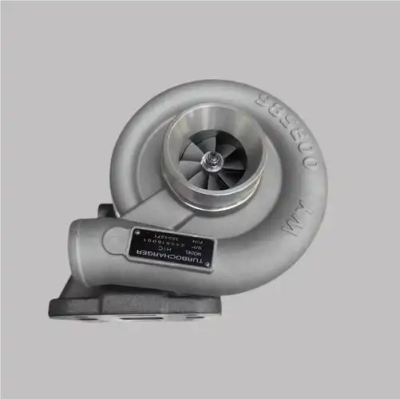


Custom Private Label Supercharger Engine Assembly Complete Kit Turbocharger
$433.00 - $666.00
MOQ: 1 Pieces


Comprehensive Sourcing Guide
Strategic Sourcing Guide for Industrial Turbocharger Procurement
Navigating the global market for Turbocharger components requires a disciplined approach that balances technical precision with rigorous supplier verification. The core keyword "Turbocharger" encompasses a diverse array of products, ranging from automotive exhaust-gas-turbo-super-chargers to specialized industrial turbines used in heavy machinery and new energy applications. Buyers must understand that the supply chain is fragmented, with varying specifications, certifications, and operational parameters. This guide provides a structured framework for evaluating potential suppliers, ensuring that procurement decisions are grounded in verified data rather than marketing assertions. The following sections detail the critical dimensions of sourcing these high-performance components, focusing on technical alignment, compliance, cost structures, and long-term reliability.
Technical Specifications and Component Variability
The first step in any sourcing strategy is a precise definition of technical requirements. Turbochargers are not monolithic; they vary significantly in design, application, and performance metrics. Based on observed market data, the product landscape includes axialflow electric Turbocharger types designed for specific engine models such as the 4jg2t and 12V190. These units often feature ETS (Exhaust-Gas-Turbo-Super-Charger) configurations with runoff types, indicating specific integration needs for the exhaust system.
Buyers must verify the physical and operational attributes of the unit before placing an order. Key specifications to validate include the engine model compatibility, cooling cylinder type, and piston movement mechanisms. For instance, some units are explicitly designed as air-cooled, two-stroke, high-speed diesel engines, while others may serve different fuel types or stroke configurations. The physical dimensions are equally critical; observed product sizes range from small components to large machine assemblies, with specific package dimensions like 32x28x38 cm noted for certain single-item units. Weight is another vital factor, with some standard units weighing approximately 15kg, while others may be significantly heavier depending on the housing material, which is often aluminium for corrosion resistance and weight reduction.
Furthermore, the internal architecture must match the application. The presence of a turbine component is standard, but the specific type, such as the ETS Exhaust-Gas-Turbo-Super-Charger, dictates the flow dynamics and efficiency. Buyers should also consider the "Parts" classification, as some listings categorize these components under transformers or electricity usage, suggesting a broader integration into power systems beyond traditional combustion engines. When evaluating a potential supplier, request detailed technical drawings that confirm the "prod_model" number, such as SE-1806 or 8971760801, and ensure the "Customized Models" option is available if standard parts do not fit the specific machinery constraints.
Compliance, Certification, and Quality Assurance
In the B2B procurement of mechanical components, certification is not merely a formality but a prerequisite for market entry and operational safety. The supply chain for turbochargers often involves products originating from specific manufacturing hubs, with China and the Guangdong region being prominent sources. To ensure compliance, buyers must verify that the supplier holds valid certifications such as CE and ISO. Some listings indicate a combined ISO and CE status, while others may reference specific component standards like ISOETS.
Quality assurance extends beyond the initial certification. A robust sourcing process requires the supplier to provide a Machinery Test Report, which serves as empirical evidence of the product's performance under load. This document should detail the results of stress tests, noise level assessments, and efficiency ratings. For example, low noise levels are a desirable attribute for units intended for environments where acoustic pollution is a concern. Additionally, the "Quality" attribute should be explicitly defined as "High-Quality," but this claim must be backed by the aforementioned test reports and the supplier's adherence to international standards.
The condition of the product is another critical compliance factor. The market predominantly offers "New" condition units, but buyers must confirm the absence of refurbished or used components unless explicitly requested. The warranty period is a direct indicator of the manufacturer's confidence in their product; a standard 12-month warranty is common, but this should be clearly stated in the contract. Furthermore, the "Parts" classification and "Application Fields" (such as New Energy) must align with the buyer's regulatory environment. If the Turbocharger is intended for use in new energy applications, the supplier must demonstrate that the unit meets the specific safety and performance standards required for that sector.
Cost Drivers and Pricing Structures
Understanding the cost drivers for turbochargers is essential for budgeting and negotiation. The price range in the observed market is vast, spanning from 1 USD to 10,000 USD. This wide disparity is driven by several factors, including the complexity of the engine model, the material composition (such as aluminium bodies), and the level of customization required. A standard unit for a common engine model like the 4jg2t may fall at the lower end of the spectrum, whereas a custom-engineered unit for a specialized application like the 12V190 or a new energy system will command a premium.
Minimum Order Quantity (MOQ) is a significant cost driver. While some suppliers offer an MOQ of 1 PCS/Set, making it feasible for small-scale testing or replacement, others may require a minimum of 10 PCS. This variation impacts the unit cost; higher volume orders typically result in a lower price per unit due to economies of scale. Buyers must also consider the "Packing" requirements, as options range from standard cartons to wooden cases for larger or more delicate units. The choice of packaging can influence the final landed cost, especially if the shipping method requires specialized handling.
Payment terms also play a role in the overall cost structure. The standard payment method observed is T/T (Telegraphic Transfer), which offers a balance of security and speed. However, buyers should negotiate terms that align with their cash flow, potentially seeking a deposit structure that mitigates risk. The "Delivery Time" is another variable; while some suppliers offer a rapid 3-7 working days lead time, others may require 15-20 days, particularly for customized models. These lead times affect inventory planning and potential downtime costs, which must be factored into the total cost of ownership.
Typical Applications and Industry Alignment
Turbochargers serve a wide array of industries, and identifying the correct application is crucial for selecting the right component. The primary application observed is for excavators, where high torque and reliability are paramount. In this sector, the Turbocharger must withstand harsh operating conditions and provide consistent power output. The "Application" field also includes automotive sectors, with specific mentions of BMW, indicating that these components are compatible with high-performance passenger vehicles.
Beyond traditional machinery, the "Application Fields" extend to new energy sectors. This suggests that Turbocharger technology is being adapted for hybrid systems or alternative fuel applications, where efficiency and emissions control are critical. The "Usage" attribute, listed as "Electricity," further supports the integration of these components into electrical systems, possibly for auxiliary power units or energy recovery systems. The "Brand" of the component, such as HKS, can also indicate a specific market segment, often associated with performance tuning and aftermarket upgrades.
When sourcing, buyers must ensure that the "prod_model" and "Part Number" (e.g., 129935-18010) match the exact requirements of their machinery. Mismatched models can lead to installation failures or reduced engine performance. The "Customization" availability is a key factor for buyers with unique machinery configurations. If standard parts do not fit, the supplier's ability to provide custom models becomes a decisive factor in the procurement decision.
Supplier Evaluation and Operational Capabilities
Evaluating a supplier involves more than just checking their product catalog. Buyers must assess the supplier's operational capabilities, including their location, lead times, and shipping logistics. The "Place of Origin" is a critical piece of information, with many suppliers located in China, specifically in the Guangdong region. This location often implies a mature supply chain and access to raw materials, but it also necessitates careful verification of the supplier's legitimacy and export capabilities.
The "Company Name" and reputation are also important. While specific names should not be recommended, buyers should look for established entities with a history of reliable delivery. The "Shipping" options, such as DHL, UPS, and FedEx, indicate the supplier's ability to handle international logistics efficiently. However, the "Lead Time" must be realistic; a promise of 3-7 working days is impressive but may not be feasible for all orders, especially those requiring customization. Buyers should verify the supplier's actual capacity to meet these timelines before committing.
The "Standard" of the product, often listed as "1PCS" or "custom," reflects the supplier's flexibility. A supplier that offers custom standards is better equipped to handle unique buyer requirements. Additionally, the "prod_packing" method, whether carton or wooden cases, should be evaluated for its suitability for the specific product and shipping route. A supplier that uses high-quality packing materials demonstrates a commitment to protecting the product during transit, reducing the risk of damage.
Quality Control and Long-Term Procurement Considerations
Ensuring long-term reliability requires a proactive approach to quality control. Buyers should insist on a "Machinery Test Report" for every batch of products, ensuring that the "Quality" claim of "High-Quality" is substantiated by data. The "Noise Level" and "Speed" attributes should be monitored to ensure they meet the operational requirements of the machinery. For instance, a high-speed unit must maintain stability under varying load conditions without excessive noise or vibration.
The "Warranty" period is a key indicator of the supplier's confidence in their product. A 12-month warranty is standard, but buyers should clarify the terms of the warranty, including what is covered and the process for claims. The "Condition" of the product, specifically "New," should be verified upon receipt to ensure that no refurbished or used units are delivered. The "Body Material," such as aluminium, should be inspected for defects or inconsistencies that could affect performance.
Long-term procurement considerations also include the availability of spare parts and the supplier's ability to support the product throughout its lifecycle. The "Customization" option allows for future adjustments if the machinery requirements change. Buyers should also consider the "Payment" terms and the "Delivery Time" in the context of their supply chain strategy. A supplier with a reliable lead time and flexible payment terms can help mitigate risks associated with supply chain disruptions.
In conclusion, sourcing turbochargers requires a meticulous approach that balances technical specifications, compliance, cost, and supplier reliability. By adhering to the guidelines outlined in this guide, buyers can make informed decisions that ensure the procurement of high-quality, reliable components. The key is to verify all claims, request detailed documentation, and maintain a clear understanding of the product's application and performance requirements. This disciplined approach will lead to successful procurement outcomes and long-term operational success.
FAQs
What certifications do these turbochargers hold?
The products hold CE and ISO certifications. Some listings also reference ISOETS for specific components. Buyers should verify the Machinery Test Report to confirm compliance with these standards before purchasing.
How long is the delivery time for orders?
Delivery typically takes 3 to 7 working days for standard items. Customized models may require about 15 to 20 days. Lead times vary based on the specific customization and production capacity of the supplier.
What is the minimum order quantity for these units?
The minimum order quantity is 1 PCS/Set for many listings. Some specific suppliers may require a minimum of 10 PCS. Buyers should check individual product pages to confirm the exact MOQ for their selected model.
Where are these Turbocharger products manufactured?
Products originate from China, with a specific focus on the Guangdong region. This location indicates a mature supply chain. Buyers should verify the specific factory location to ensure logistical compatibility with their needs.
Can these turbochargers be customized for specific engines?
Customization is available for various engine models and specifications. Buyers can request custom models to fit unique machinery constraints. The supplier offers options to adapt the product to specific requirements like the 4jg2t or 12V190 engines.
What warranty is provided for the new condition units?
A 12-month warranty is standard for these new condition units. This warranty covers defects and ensures product reliability. Buyers should confirm the specific warranty terms and claim process with the supplier prior to finalizing the order.