Source Used Wheeled Excavator with Cummins Engine for Construction, Mining, and Marine Projects
Find and compare 26 Used Wheeled Excavator with Cummins Engine listings from China. Evaluate models like the SWEL210 and UME-15ton based on operating weight, drive type, and hydraulic components to match your specific project requirements.
Key considerations
Products List


Hot-Selling 15-Ton Excavator with CE-Certified Cummins Euro 5 Engine
$8500.00 - $9000.00
MOQ: 1 Pieces


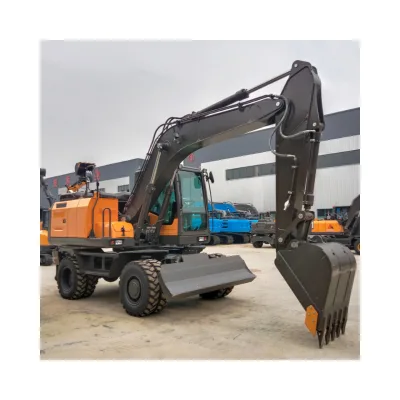


High Performance Used Excavator with Hydraulic Drive for Earthworks
$32000.00 - $48000.00
MOQ: 1 Pieces

EAC Certified Used Excavator with Hydraulic Drive for Specialized Use
$15000.00 - $21500.00
MOQ: 1 Pieces

Specialized Used Excavator with EAC Certification and Hydraulic Drive
$15000.00 - $21500.00
MOQ: 1 Pieces


Specialized Used Excavator with Hydraulic Drive EAC Certification Included
$15000.00 - $21500.00
MOQ: 1 Pieces


Fuel Efficiency Long-Lasting Easy Maintenance Well-Maintained Used Excavator
$45000.00 - $48000.00
MOQ: 1 Pieces


Efficient Used Excavator with 21800kg Weight and Low Operating Costs
$19000.00 - $26000.00
MOQ: 1 Pieces

New Design Big Mining Used Cummins Engine Crawler Excavator Price
$109800.00 - $119800.00
MOQ: 1 Pieces


Original Used Medium and Large Excavator Wheel Excavator Low Price on Sale
$30000.00 - $36000.00
MOQ: 1 UNIT


Durable PC240 Excavator: Perfect for Tough Industrial Applications
$17400.00 - $24500.00
MOQ: 1 Pieces
Comprehensive Sourcing Guide
Used Wheeled Excavator with Cummins Engine Sourcing Guide
Procuring a used wheeled excavator equipped with a Cummins engine requires a disciplined approach to verification, as the secondary market for heavy machinery is fragmented and highly variable in condition. Buyers must recognize that while the Cummins brand is a trusted indicator of engine reliability and parts availability, the overall machine health depends heavily on maintenance history, hydraulic system integrity, and structural fatigue. This guide provides evidence-based procurement strategies to help buyers navigate the complexities of sourcing these machines, focusing on technical verification, commercial risk mitigation, and long-term operational viability.
The following sections outline the critical steps for evaluating listings, verifying technical specifications, ensuring compliance, and managing supplier relationships. By adhering to these structured checks, procurement teams can reduce the risk of acquiring defective equipment and ensure that the chosen machine aligns with specific project requirements, whether for construction, mining, or marine applications. The focus remains on observable facts and trusted industry practices rather than speculative claims.
Product Scope and Observed Listing Signals
When scanning supplier catalogs, buyers will encounter a wide range of wheeled excavators, often categorized by operating weight, bucket capacity, and drive type. Observed listings indicate a price range from approximately $4,121 to $119,800 USD, reflecting the vast disparity between smaller, older units and larger, more recent models. It is crucial to note that the minimum order quantity (MOQ) for these high-value assets is typically one unit, meaning each purchase is a unique negotiation rather than a bulk commodity transaction. Buyers should carefully distinguish between "New" and "Used" conditions, as certifications like ISO9001 may apply to the manufacturing process of new units but do not guarantee the condition of used inventory.
Specific models observed in the market include the SWEL210, a large-scale wheeled excavator with an operating weight of 21 tons, and the UME-15ton, a crawler variant that highlights the diversity in drive types and sizes. Some listings feature hydraulic transmission and internal combustion drive, while others may specify electric drive or rear drive configurations. Buyers must verify the exact model number and machine weight, as discrepancies between listed specifications and actual machine capabilities can lead to significant operational mismatches. For instance, a machine listed with a 21-ton operating weight may have different hydraulic flow rates or boom reach capabilities compared to a 15-ton unit, affecting its suitability for specific tasks.
Technical Specifications to Verify
The engine is the heart of the machine, and for those seeking a Cummins-powered unit, verification of the engine brand and model is paramount. Observed data confirms that some used excavators, such as the 330 model, are equipped with Cummins engines, often paired with core components like gearboxes and pumps from reputable brands such as Cat or Liyuan. Buyers should request detailed engine logs, including total working hours, which can range from 6,001 to 8,000 hours in observed used units. High operating hours do not necessarily indicate poor condition, but they require a thorough inspection of the engine’s compression, turbocharger, and fuel injection systems to ensure longevity.
Beyond the engine, the hydraulic system and structural components are critical areas for inspection. The 330 model, for example, features hydraulic cylinders and pumps from Cat Brand, which are known for durability and performance. Buyers should verify the condition of the hydraulic valves, which may be from brands like Hydac, and check for any signs of leaks or pressure loss. Additionally, the machine’s physical dimensions, such as the 767725503377mm standard for the UME-15ton, must be confirmed to ensure compatibility with site constraints. The braking method, often air brake in larger units, and the drive mode, such as rear drive, should also be verified to match the operational environment and safety requirements.
Compliance and Safety Documentation
Compliance with international standards is essential for importing and operating heavy machinery across borders. Observed listings frequently cite ISO9001 and CE certifications, which indicate that the manufacturer or supplier adheres to specific quality management and safety standards. However, buyers must distinguish between certifications for new manufacturing processes and those applicable to used equipment. For used excavators, the focus should be on verifying that the machine meets the safety regulations of the destination country, including emissions standards and noise levels.
Documentation such as the original equipment manufacturer (OEM) manuals, service records, and previous inspection reports are vital for assessing the machine’s history. Buyers should request proof of ownership and ensure that there are no liens or encumbrances on the equipment. Additionally, the packing method, whether naked or standard packaging, should be confirmed to prevent damage during transit. For machines originating from China or China Shandong, buyers should be aware of any specific export requirements or documentation needed for customs clearance, ensuring a smooth logistics process.
Cost Drivers and Commercial Terms
The cost of a used wheeled excavator is influenced by several factors, including the machine’s age, operating hours, brand reputation, and current market demand. The observed price range of $4,121 to $119,800 USD reflects these variables, with higher prices typically associated with newer models, lower operating hours, and well-maintained hydraulic systems. Buyers should consider the total cost of ownership, including transportation, insurance, and potential repair costs, rather than focusing solely on the purchase price.
Commercial terms such as payment methods, warranty provisions, and return policies are critical components of the procurement agreement. Given the high value of these assets, buyers should negotiate secure payment terms, such as letters of credit or escrow services, to mitigate financial risk. It is also important to clarify the condition of the machine at the time of delivery and establish clear procedures for handling any discrepancies or defects discovered upon inspection. Buyers should avoid relying on vague condition descriptions and instead seek detailed, itemized reports from independent inspectors.
Supplier Qualification and Quality Control
Selecting a reliable supplier is as important as selecting the right machine. Buyers should verify the supplier’s business license, export history, and customer reviews to assess their credibility. Suppliers originating from China or China Shandong may have varying levels of experience and quality control processes, so it is essential to conduct due diligence on their track record. Buyers should request references from previous clients and, if possible, visit the supplier’s facility or arrange for a third-party inspection.
Quality control measures should include a comprehensive pre-shipment inspection, covering mechanical, hydraulic, and electrical systems. Buyers should specify the criteria for acceptance, such as acceptable levels of wear on tracks, tires, and hydraulic hoses. For machines with specific components like Cummins engines or Cat hydraulic pumps, buyers should verify the authenticity and condition of these parts through serial number checks and performance tests. Establishing a clear quality assurance protocol before purchase can prevent costly disputes and ensure that the machine meets the buyer’s expectations.
Long-Term Procurement Checks
After the initial purchase, buyers must implement a robust maintenance and monitoring strategy to maximize the machine’s lifespan and performance. Regular servicing of the Cummins engine, including oil changes, filter replacements, and coolant checks, is essential to prevent premature wear. Buyers should also monitor the hydraulic system for any signs of leakage or pressure drops, addressing issues promptly to avoid costly repairs. Keeping detailed records of all maintenance activities can help identify patterns and predict future maintenance needs.
Furthermore, buyers should stay informed about changes in regulations and market conditions that may affect the machine’s operation and resale value. For example, emissions standards may become stricter, requiring upgrades or modifications to the engine. Buyers should also consider the availability of spare parts and technical support in their region, as this can impact the machine’s uptime and operational efficiency. By proactively managing these long-term factors, buyers can ensure that their investment in a used wheeled excavator with a Cummins engine delivers consistent value over time.
FAQs
What operating weights are available for used wheeled excavators with cummins engine?
Available models include units with operating weights of 21 tons and 38 tons. The 21-ton SWEL210 model features a large-scale size and hydraulic transmission. The 38-ton 330 model utilizes a Cummins engine and Cat hydraulic components. Buyers should verify the specific weight class required for their project scale and site conditions.
Can I customize the bucket type for a Used Wheeled Excavator with Cummins Engine?
Customization is available for bucket configurations. Options include standard backhoe buckets and grab shovel attachments. These variations allow operators to adapt the machine for different material handling tasks. Buyers should specify their preferred bucket type during the sourcing process to ensure compatibility with the selected excavator model.
Which certifications apply to new and used wheeled excavators with cummins engine?
Certifications include ISO9001 and CE marks. These apply to both new and used conditions depending on the specific listing. The ISO9001 certification indicates adherence to quality management standards. Buyers should request valid certification documents to verify compliance with international safety and manufacturing standards before finalizing procurement.
What drive types are offered for wheeled excavators with cummins engine?
Drive types include internal combustion drive and electric drive options. Internal combustion models typically use diesel fuel and feature rear drive modes. Electric drive variants offer alternative power solutions for specific operational environments. Buyers must select the drive type that aligns with their fuel availability and emission requirements.
How is the packaging handled for shipped wheeled excavators with cummins engine?
Packaging methods vary by model and supplier. Options include naked packaging for direct shipment and standard packaging for added protection. The 21-ton model often uses naked packaging, while other units may use standard methods. Buyers should confirm the packaging type to ensure safe transit and proper handling during international shipping logistics.
What is the typical condition of used wheeled excavators with cummins engine?
Used units are generally listed in working condition with recorded operating hours. Some models show working hours between 6001 and 8000. Core components like engines and pumps are often from reputable brands such as Cummins and Cat. Buyers should review maintenance records and operating hour logs to assess the remaining service life of the equipment.