Source Vegetable Spring Rolls for Home, Restaurant, Catering
Find 30 listings for Vegetable Spring Rolls with options for frozen storage and customized packaging. Buyers can compare specifications, shelf life, and pricing to select suitable products for home, restaurant, or catering applications.
Key considerations
Products List





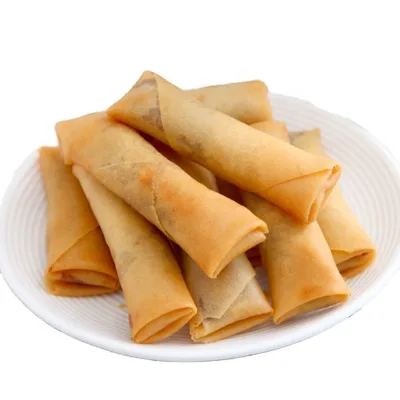
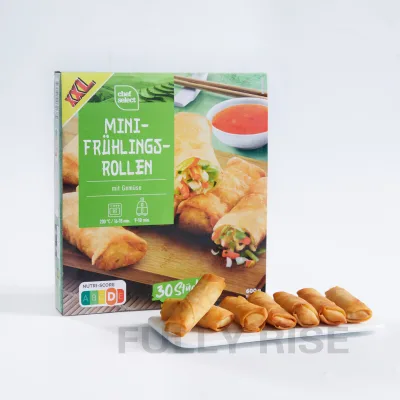
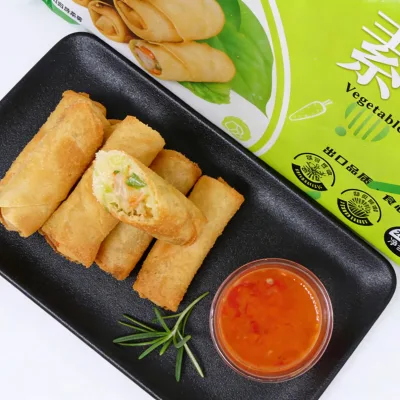
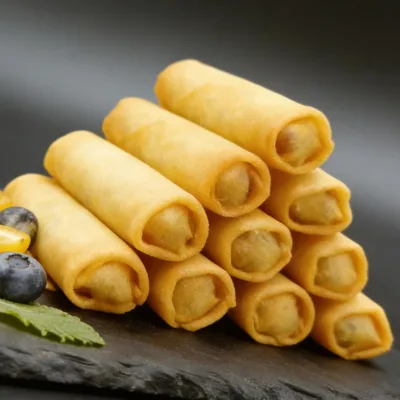


Comprehensive Sourcing Guide
Strategic Sourcing Guide for Vegetable Spring Rolls
Understanding Product Definitions and Core Attributes
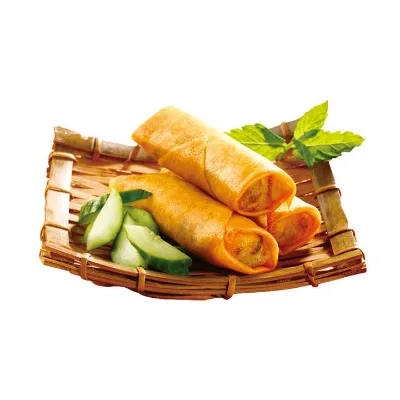
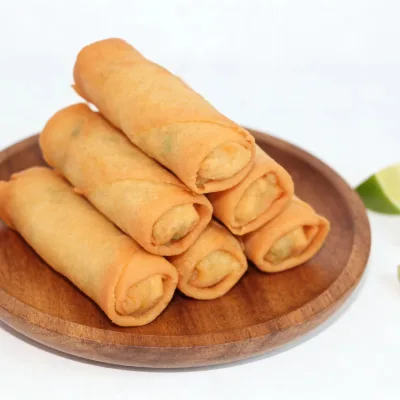
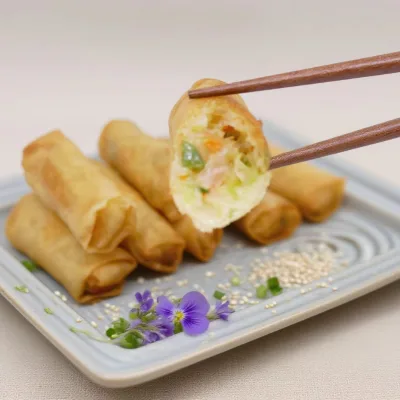
When initiating a procurement strategy for Vegetable Spring Rolls, buyers must first distinguish between the finished ready-to-cook product and the raw pastry components. The market data indicates a diverse range of offerings under the umbrella of "Vegetable Spring Rolls," including frozen pre-prepared product foods, steamed rolls, and specific spring roll pastry types. A critical observation from current listings is the variation in product classification; some items are explicitly labeled as "Vegetable" type with ingredients comprising flour and vegetables, while others are categorized as "Spring Roll Pastry" where the primary content is wheat flour, water, vegetable oil, and salt.
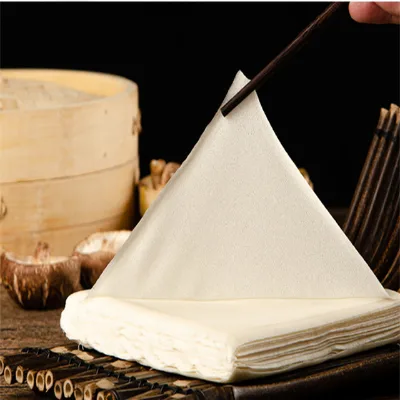
The distinction is vital for operational planning. Finished Vegetable Spring Rolls are often described as having a "Salty" taste profile and are intended for direct frying or heating, whereas the pastry sheets are "Tasteless" and serve as a wrapper for custom fillings. The core ingredient profile for the pastry variants consistently lists wheat flour as the main component, sometimes accompanied by water and vegetable oil. Buyers should verify the specific "Product Name" and "Type" attributes in supplier catalogs to ensure alignment with their menu requirements. For instance, a supplier listing "Love Spring Rolls" may offer a specific flavor profile distinct from a generic "Spring Roll Pastry" product. The storage requirement is universally consistent across these categories: frozen storage under -18 degrees Celsius is the standard to maintain integrity and shelf life.
Technical Specifications and Packaging Standards
Technical specifications for Vegetable Spring Rolls vary significantly based on the intended application, whether for home consumption or restaurant bulk service. The observed product models include specific identifiers such as SFDS-SPR, SFAF-VSPRL, and SP00125, which often correlate with specific weight or dimension standards. A notable specification range found in the market involves individual unit weights, with documented standards including 12.5g, 15g, 17g, 20g, 25g, 40g, 50g, and imperial equivalents like 1oz and 42.6g. For pastry sheets, dimensions are equally critical, with observed specifications ranging from 15x15 cm to 25x25 cm, allowing for flexibility in roll size.
Packaging is another technical area requiring precise verification. The data reveals multiple packaging configurations, ranging from "Inner: Box, Outer: Carton" to "Standard Shipping Packaging" and "Carton" only. Some suppliers offer customized packaging options, which is a key attribute for buyers seeking private label solutions. The unit weight per carton also varies; one observed standard is 400g per box with 20 boxes per carton, while another listing notes a single gross weight of 13.000 kg for a specific package size of 54x27.5x22.5 cm. Buyers must confirm the "prod_packing" and "prod_standard" details to ensure compatibility with their cold chain logistics and storage facilities. The shelf life is a critical technical parameter, with observed ranges extending from over 12 months to 24 months, contingent on maintaining the frozen storage condition.
Compliance, Certification, and Regulatory Checks
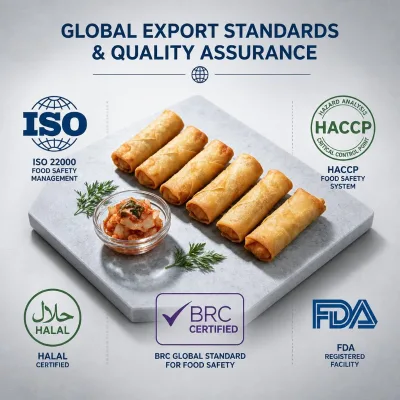
In the global food trade, compliance is non-negotiable. The supply base for Vegetable Spring Rolls often includes suppliers who hold certifications such as HALAL, BRC, and ISO. These certifications are not merely marketing claims but are essential for accessing specific markets, particularly in regions with strict dietary laws or high food safety standards. Buyers must verify the validity of these certificates directly with the issuing bodies, as the presence of a certification mark on a product page does not guarantee current compliance for every SKU.
Furthermore, the origin of the product plays a significant role in regulatory acceptance. The majority of the observed supply originates from Shandong, China, with specific manufacturing hubs identified in Gaomi City and Weifang. While this region is a known food production center, buyers must ensure that the specific facility meets the import regulations of their destination country. The "prod_standard" often lists "Standard Specifications Or Customized," which implies that the product may be manufactured to meet specific client requirements rather than a single universal standard. Therefore, the procurement process must include a request for the specific standard documents (e.g., ISO 22000, BRCGS) relevant to the specific batch or production line.
Cost Drivers and Pricing Dynamics
The pricing structure for Vegetable Spring Rolls is influenced by several dynamic factors, primarily the level of processing and the packaging configuration. The observed price range in the market spans from $1.30 to $2800 USD, a vast disparity that reflects the difference between a single unit of pastry and a bulk container of finished goods. The Minimum Order Quantity (MOQ) is another significant cost driver, with observed ranges from 1 unit to 5000 units.
Buyers should analyze the cost per unit rather than the total order value. For instance, a high MOQ of 5000 units may reduce the per-unit cost but increases the capital outlay and storage requirements. Conversely, an MOQ of 1 allows for testing but may carry a premium price. The "Customization" attribute is a major cost variable; products with customized packaging or specific weight standards (e.g., 42.6g vs. 25g) often incur higher production costs due to the setup of new molds or packaging lines. Additionally, the "Instruction for use" (fried vs. steamed) can impact the final cost, as pre-fried or pre-steamed products require more processing steps than raw pastry sheets. Buyers must request detailed cost breakdowns to understand the impact of customization on the final landed cost.
Typical Applications and Usage Scenarios
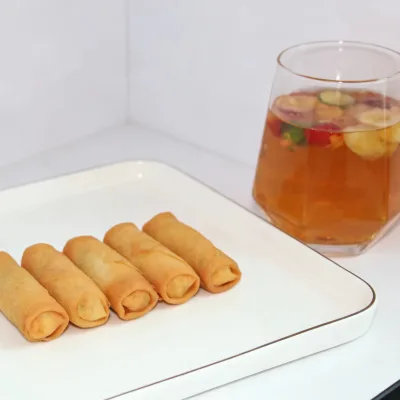
The application of Vegetable Spring Rolls extends across multiple sectors, from home kitchens to large-scale restaurant operations. The product attributes explicitly list "Home / Restaurant" as the primary application areas. For home users, the product is often marketed as a convenient snack, with instructions for use indicating that the product can be fried directly. The target demographic includes children, adults, and the elderly, suggesting a versatile product suitable for family meals.
In the commercial sector, the "Usage" is defined as "Eat Snacks" or as a component in larger menu items. The "Instruction for use" for pastry sheets specifies that they "Can be used to wrap spring rolls, samosa," indicating their role as a raw material for in-house preparation. This distinction is crucial for buyers in the food service industry; a restaurant may prefer to buy raw pastry sheets to control the filling and freshness, while a retailer may prefer frozen pre-prepared rolls for immediate sale. The "Taste" attribute, ranging from "Salty" to "Tasteless," further dictates the application. Salty rolls are ready-to-eat snacks, while tasteless pastries are versatile wrappers for various fillings.
Supplier Evaluation and Geographic Considerations
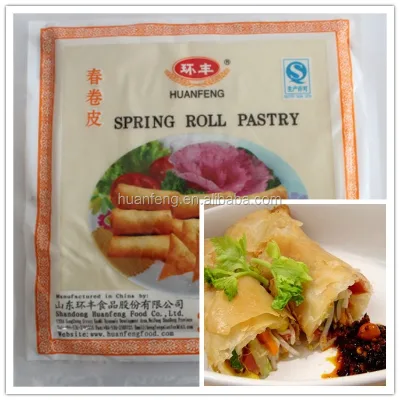
Evaluating suppliers for Vegetable Spring Rolls requires a focus on geographic consistency and manufacturing capability. The supply chain is heavily concentrated in Shandong, China, with specific addresses listed as Gaomi City and Weifang. This concentration suggests a robust local supply chain for wheat flour and vegetable ingredients. However, buyers should not assume that all suppliers in this region offer identical quality. The "Manufacturer" attribute, such as "Shandong Huanfeng Food Co., Ltd," indicates that specific entities are responsible for production.
When evaluating potential partners, buyers should verify the "Customization" capability. The market data shows that customization is available, but the extent of this capability varies. Some suppliers offer "Standard Shipping Packaging," while others provide "Inner: Box, Outer: Carton" with client-specific customization. The "Brand Name" attribute, such as "huanfeng," suggests that some suppliers operate with established brand identities, which can be a proxy for market reputation. However, buyers must conduct their own due diligence to ensure the manufacturer's capacity aligns with their volume needs. The "Address" and "Location" details should be cross-referenced with the company's registration to ensure legitimacy.
Quality Control and Long-Term Procurement Strategy
Long-term procurement of Vegetable Spring Rolls requires a robust quality control framework. The "Storage Type" of "Frozen Under -18 Degree" is a non-negotiable requirement for maintaining product quality. Any deviation in the cold chain during transit can compromise the shelf life, which is observed to be between 12 and 24 months. Buyers must implement strict temperature monitoring protocols to ensure that the product arrives in optimal condition.
Quality control should also extend to the ingredient verification. While the "Main Ingredient" is consistently listed as wheat flour, water, vegetable oil, and salt, the presence of vegetables in the "Vegetable" type products must be verified to ensure they meet the buyer's specifications for freshness and type. The "Ingredients" attribute for some products is listed as "no," which may indicate a lack of specific additive information or a specific product line that is purely pastry. Buyers must request detailed ingredient lists to check for allergens or prohibited substances in their target markets.
Finally, the "Selling Units" and "Single package size" data provide insight into the logistics efficiency of the supplier. A single gross weight of 13.000 kg and a package size of 54x27.5x22.5 cm are specific metrics that buyers should use to calculate shipping costs and warehouse space requirements. By standardizing these metrics across suppliers, buyers can optimize their supply chain efficiency. The ability to customize the "prod_standard" and "prod_packing" allows for long-term flexibility, enabling buyers to adapt to changing market demands without switching suppliers.
Comparative Analysis of Product Variants
To assist in decision-making, the following table summarizes the key differences observed between the primary product categories available in the market.
| Feature | Finished Vegetable Spring Rolls | Spring Roll Pastry Sheets |
|---|---|---|
| Primary Type | Vegetable / Pre-Prepared | Pastry / Wrapper |
| Main Ingredients | Flour, Vegetable, Salt | Wheat Flour, Water, Oil, Salt |
| Taste Profile | Salty | Tasteless |
| Instruction for Use | Fried / Ready to Cook | Wrap Fillings, then Fry/Steam |
| Typical Weight | 12.5g - 50g per unit | Varies by sheet size (15x15 to 25x25 cm) |
| Storage | Frozen (-18°C) | Frozen (-18°C) |
| Target Application | Home Snacks, Restaurant Ready | In-house Preparation, Customization |
| Customization | Available (Flavor, Size) | Available (Size, Packaging) |
This comparison highlights that while both products share a frozen storage requirement and similar base ingredients, their end-use and preparation methods differ significantly. Buyers must align their procurement choice with their operational model, whether they require a ready-to-serve product or a versatile raw material for customization.
FAQs
What is the storage requirement for Vegetable Spring Rolls?
The product must be stored frozen under -18 degrees Celsius to maintain quality. This condition ensures the shelf life remains valid for over 12 months up to 24 months depending on the specific variant.
Which certifications are available for these food products?
Available certifications include HALAL, BRC, and ISO standards for food safety compliance. Buyers should verify the validity of these certificates directly with the issuing bodies for specific batches.
Can buyers request customized packaging for bulk orders?
Yes, customization is available for both packaging and product specifications. Options include inner box and outer carton configurations tailored to client requirements or standard shipping packaging.
What are the typical weight specifications for individual units?
Individual unit weights range from 12.5g to 50g with specific standards like 15g, 20g, and 40g. Imperial equivalents such as 1oz and 42.6g are also documented in product standards.
Where are the primary manufacturing locations for these products?
The majority of supply originates from Shandong, China, specifically in Gaomi City and Weifang. This region serves as a known food production center for wheat flour and vegetable ingredients.
How do pastry sheets differ from finished Vegetable Spring Rolls?
Pastry sheets are tasteless wrappers made of wheat flour, while finished rolls are salty and ready to cook. Finished products require frying, whereas sheets are used to wrap custom fillings before cooking.