Source Watch Band Options for Wrist Watches, Sports Gear, and Fashion Accessories
Explore 30 Watch Band listings featuring metal, silicone, and fabric materials in sizes from 10mm to 28mm. Compare analog and digital compatible straps with customization options for logos and finishes to find suitable wrist watch accessories.
Key considerations
Products List


One-Piece Silicone Watch Band with Protective Case Flexible Rubber Strap
$0.69 - $0.96
MOQ: 500 Pieces


$0.68 - $0.79
MOQ: 50 Sets

$3.30 - $3.90
MOQ: 50 Sets


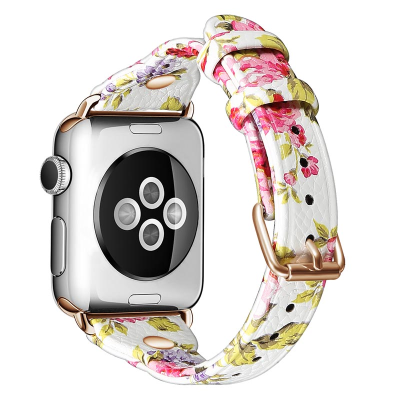
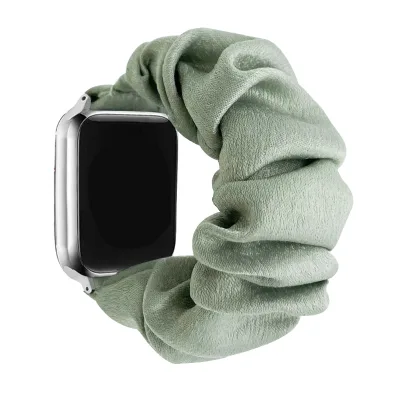


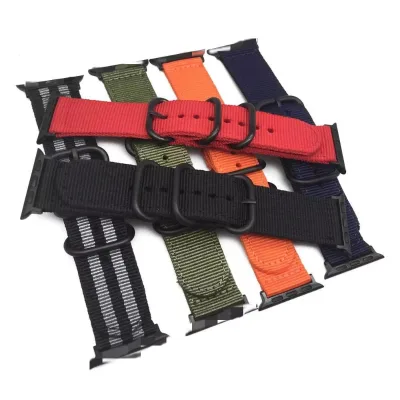
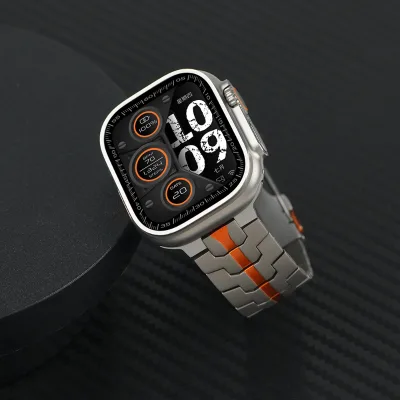


Comprehensive Sourcing Guide
Watch Band Sourcing Guide
Sourcing watch bands requires a nuanced understanding of material properties, aesthetic finishes, and mechanical compatibility. The market offers a diverse array of options ranging from durable metals and flexible silicones to woven fabrics, each serving distinct style and functional requirements. Buyers must navigate a landscape where customization is prevalent, allowing for tailored logos, colors, and sizes to meet specific brand identities. This guide provides a structured approach to evaluating suppliers, verifying technical specifications, and ensuring commercial viability for both fashion and sport-oriented timepieces.
The procurement process begins with defining the target application, whether for luxury analog displays, digital sport watches, or universal fitments. Observed market signals indicate a strong emphasis on fashion-forward designs with finishes such as polishing, coating, and plating. Simultaneously, there is a robust segment for eco-friendly and reflective sport bands, highlighting the need for buyers to align their material choices with their brand’s sustainability and performance claims. Understanding these divergent market segments is crucial for selecting the right supplier capabilities and quality control protocols.
Product Scope and Observed Listing Signals
The current market landscape for watch bands is characterized by a wide variety of materials and styles, primarily driven by consumer demand for both aesthetic appeal and functional durability. Metal bands, often finished with polishing, coating, or plating, are prevalent in fashion-oriented segments, offering colors like steel, black, gold, rose gold, and gunmetal. These bands are typically associated with analog displays and are available in standard sizes ranging from 10mm to 28mm, with specific models catering to precise width requirements such as 12mm, 14mm, 16mm, 18mm, 20mm, 22mm, 24mm, and 26mm. Buyers should note that metal bands often require rigorous quality checks for plating adhesion and clasp functionality.
In contrast, the sport and casual segments feature materials like silicone and woven fabric, which prioritize comfort and versatility. Silicone bands are frequently marketed as eco-friendly and are available in pure colors, while woven fabric options may include reflective features for visibility. These bands often support universal fitments and can be customized with concave or silkscreen logos. The presence of digital display compatibility in some listings suggests that certain bands are designed specifically for smartwatches or digital timepieces, requiring attention to connector types and strap flexibility. Buyers must distinguish between these material categories to ensure the selected band meets the intended use case, whether it is high-fashion accessory or rugged sport equipment.
Technical Specifications to Verify
Verifying technical specifications is critical to ensuring that the watch bands fit the intended timepieces and meet performance expectations. Size compatibility is a primary concern, with standard widths ranging from 10mm to 28mm, including specific increments like 12mm, 14mm, 16mm, 18mm, 20mm, 22mm, 24mm, and 26mm. Buyers must confirm the exact lug width of their watches and match it with the supplier’s available sizes, as mismatches can lead to significant return rates. Additionally, some suppliers offer customized sizes, which may require longer lead times and higher minimum order quantities, so buyers should plan their inventory accordingly.
Material composition and finish quality are equally important technical factors. Metal bands should be inspected for surface treatments such as polishing, brushing, coating, and plating, which affect both appearance and corrosion resistance. Silicone bands need to be evaluated for elasticity, colorfastness, and hypoallergenic properties, especially if marketed as eco-friendly. Woven fabric bands should be assessed for weave density and durability, particularly if they feature reflective elements. Buyers should request samples to verify these attributes, as visual descriptions on product pages may not fully capture the tactile and functional qualities of the materials.
Compliance and Safety Documentation
Compliance and safety documentation are essential for ensuring that watch bands meet regulatory standards in target markets, particularly regarding material safety and environmental impact. For metal bands, buyers should verify that plating processes comply with restrictions on heavy metals such as lead, cadmium, and nickel, which are common concerns in jewelry and accessory regulations. Silicone bands, especially those marketed as eco-friendly, should be accompanied by documentation confirming the absence of harmful substances like phthalates and latex. Buyers must ensure that suppliers can provide relevant test reports or certificates of compliance to mitigate legal and reputational risks.
Environmental claims, such as "eco-friendly," require substantiation through credible certifications or transparent supply chain practices. Buyers should inquire about the sourcing of raw materials and the manufacturing processes used, particularly for silicone and fabric bands. Additionally, packaging materials should be evaluated for sustainability, as many suppliers offer options like carton, plastic bag, or export packaging. Buyers should align their packaging choices with their brand’s sustainability goals and ensure that suppliers can provide documentation on the recyclability or biodegradability of packaging materials. This diligence helps in maintaining brand integrity and meeting consumer expectations for responsible sourcing.
Cost Drivers and Commercial Terms
Cost drivers in Watch Band procurement are influenced by material selection, customization complexity, and order volume. Metal bands with intricate plating or polishing finishes typically command higher prices due to the labor and material costs involved. Silicone and fabric bands may be more cost-effective, especially when produced in large volumes, but customization options such as logo printing or unique colors can increase unit costs. Buyers should analyze the cost structure in relation to their target retail price points and ensure that the chosen supplier offers competitive pricing without compromising on quality.
Commercial terms, including minimum order quantities (MOQs) and payment terms, vary significantly across suppliers. Observed MOQs range from 10 to 1000 pieces, with some suppliers requiring higher volumes for customized orders. Buyers should negotiate MOQs based on their inventory turnover rates and storage capabilities, considering that lower MOQs may result in higher per-unit costs. Shipping methods, such as air freight, ocean freight, or express services like TNT, UPS, and DHL, also impact total landed costs. Buyers should evaluate shipping options in relation to lead times and budget constraints, ensuring that the chosen logistics partner aligns with their supply chain requirements.
Supplier Qualification and Quality Control
Supplier qualification is a critical step in ensuring consistent quality and reliable delivery of watch bands. Buyers should assess suppliers based on their production capabilities, quality control processes, and track record in the industry. Suppliers located in manufacturing hubs like Shenzhen and Xiamen in China often have established supply chains and expertise in producing high-volume orders. Buyers should verify the supplier’s ability to handle customization requests, such as logo engraving or color matching, and ensure that they have robust quality control measures in place to maintain consistency across batches.
Quality control protocols should include pre-production samples, in-process inspections, and final random inspections before shipment. Buyers should request detailed inspection reports and photos of the production process to verify adherence to specifications. For metal bands, checks should focus on plating uniformity, clasp functionality, and surface finish. For silicone and fabric bands, inspections should assess material integrity, color accuracy, and stitching quality. Establishing clear quality standards and communication channels with suppliers helps in minimizing defects and ensuring that the final products meet the buyer’s expectations.
Long-Term Procurement Checks
Long-term procurement success depends on continuous monitoring of supplier performance and market trends. Buyers should establish key performance indicators (KPIs) such as on-time delivery rates, defect rates, and responsiveness to issues. Regular audits and feedback sessions with suppliers help in identifying areas for improvement and strengthening the partnership. Additionally, buyers should stay informed about emerging materials and design trends, such as new eco-friendly silicone compounds or innovative weaving techniques, to keep their product offerings competitive.
Supply chain resilience is another critical aspect of long-term procurement. Buyers should diversify their supplier base to mitigate risks associated with geopolitical issues, natural disasters, or production disruptions. Maintaining open communication with multiple suppliers ensures flexibility in sourcing and helps in managing inventory levels effectively. Furthermore, buyers should regularly review their cost structures and negotiate favorable terms based on volume commitments and long-term partnerships. By focusing on these strategic checks, buyers can build a robust and adaptable supply chain that supports their business growth and customer satisfaction.
FAQs
What materials are used for watch bands?
Watch bands are available in metal and plastic materials. Metal options include steel, while plastic variants often feature silicone. These materials support various finishes like polishing, coating, and plating to achieve different styles.
Which sizes are available for watch straps?
Straps come in standard sizes ranging from 10mm to 28mm. Specific models offer sizes like 12mm, 14mm, 16mm, 18mm, 20mm, 22mm, 24mm, and 26mm. Customized sizes are also available upon request for specific needs.
Can I customize the logo on the Watch Band?
Yes, logo customization is available with options like concave or silkscreen types. Buyers can request custom logos on metal or silicone bands. This service allows for personalized branding on fashion or sport-style straps.
What is the minimum order quantity for these bands?
Minimum order quantities range from 10 to 1000 pieces depending on the specific product model. Some items require 500 pieces while others may need 1000 pieces. Buyers should check the specific model details for exact MOQ requirements.
Where are these watch bands manufactured?
Products originate from manufacturing locations in Shenzhen and Xiamen, China. These facilities produce various styles including analog and digital display compatible bands. The origin ensures access to established supply chains for export packaging.
How are the watch bands packaged for shipping?
Packaging options include cartons, plastic bags, and export packages. Some items are packed as 100 pieces per bag, while others allow for air or ocean freight requests. Customized packing solutions are available to meet specific buyer requirements.
What colors are offered for metal watch straps?
Metal straps are available in steel, black, gold, rose gold, and gun color. Additional color options include silver, pink, and brass for certain models. These finishes support both fashion and sport styles for wrist watches.