Source Watch Strap for Wrist Watch, Sport, and Swatch Strap
Explore 30 Watch Strap options featuring silicone, rubber, and nylon materials with customizable styles and OEM/ODM services. Buyers can compare specifications like hardness, width, and curing processes to find the ideal fit for various applications.
Key considerations
Products List


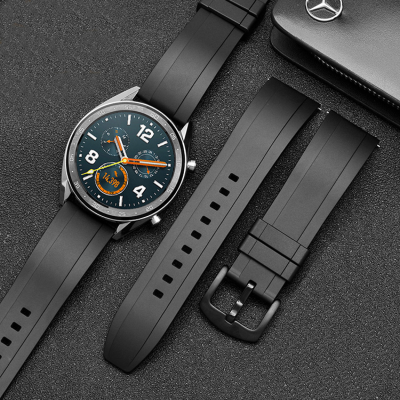


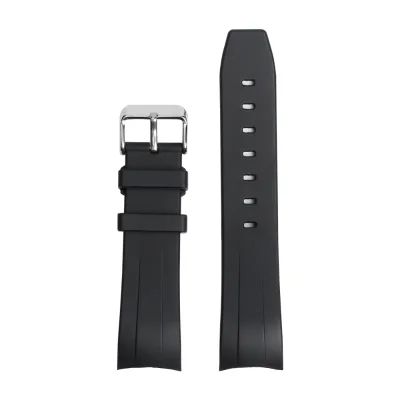
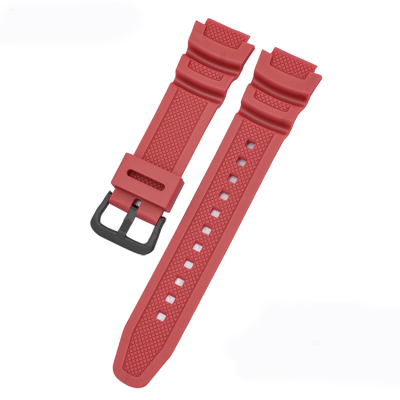


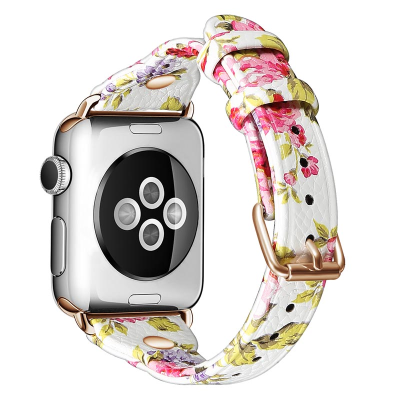
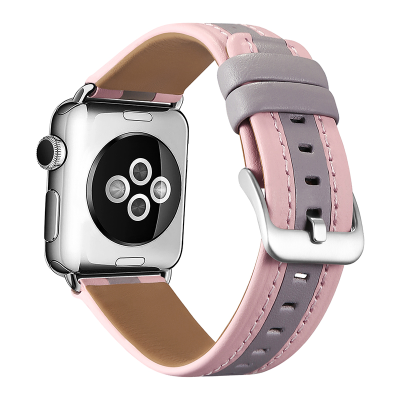
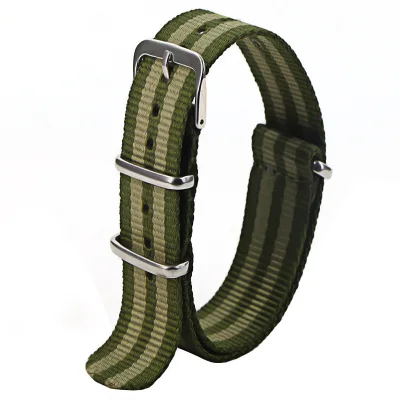
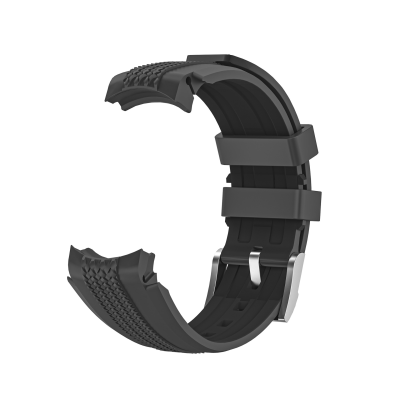

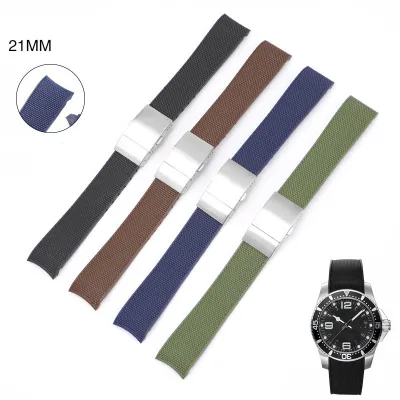


Comprehensive Sourcing Guide
Strategic Sourcing Guide for Watch Strap Procurement
Understanding Product Attributes and Material Composition
When initiating a procurement strategy for watch straps, the first critical step involves defining the precise material composition and physical attributes required for the application. The market offers a diverse range of options, but current supply data highlights a significant presence of silicone and rubber-based products. Silicone straps are frequently characterized by their flexibility and specific hardness ratings, such as Shore 70A, which indicates a balance between durability and comfort against the skin. In contrast, rubber variants often emphasize waterproof capabilities and are marketed with keywords like "Waterproof Rubber Watch Strap." Buyers must distinguish between these materials, as the manufacturing process and performance characteristics differ significantly.
The production of these straps often relies on compression molding, a process that allows for high precision in shaping. This method is particularly effective for achieving tight tolerances, with observed specifications indicating a tolerance of ±0.1mm. Such precision is vital for ensuring that the strap fits the watch case and lugs correctly without gaps or misalignment. Furthermore, the curing process is a key technical differentiator. High-quality silicone straps often undergo a secondary curing stage, with observed parameters suggesting a temperature of 200°C for a duration of 2 to 4 hours. This step is essential for stabilizing the material properties and ensuring the longevity of the product. The choice of curing agent, such as Platinum Catalyst or Double2,4 Vulcanizing Agent, also plays a pivotal role in the final product's chemical resistance and thermal stability.
Buyers should also note the variety of available styles and applications. The market includes "Fashion" and "Sport" categories, with specific models designed for universal compatibility or specific brands like Swatch. The weight of the product is another observable attribute, with some units recorded at approximately 25g, while single package gross weights may vary based on packaging density. Understanding these baseline attributes allows procurement teams to filter suppliers effectively and request samples that match the intended use case, whether it is for casual wear, athletic activities, or high-fashion accessories.
Technical Specifications and Dimensional Standards
Precision in dimensions is paramount when sourcing watch straps, as the interface between the strap and the watch case must be exact. Standardized widths are a common requirement in the industry, with observed specifications including 20 mm and 22 mm bands. These dimensions must align with the lug width of the target timepiece to ensure a secure fit. Beyond width, the overall geometry of the strap is defined by specific standard measurements. For instance, certain product lines adhere to a standard size of 45mm35mm230mm, which dictates the length and profile of the strap assembly. Other variations may feature custom dimensions, such as 20*18mm, depending on the specific model number and design intent.
The model numbers associated with these products serve as unique identifiers for procurement teams. Examples include GYF41103, GYF4167, GYF4163, and GYF41112, alongside others like Wristband-014 and FKM-2. These alphanumeric codes help in tracking inventory and ensuring that the correct variant is ordered. Additionally, the presence of adjustable features is a key specification for many users. While some straps are fixed, others are designed to be adjustable, offering a range of fit options for different wrist sizes. The inclusion of non-spring mechanisms in certain designs indicates a specific attachment style that buyers must verify against their watch models.
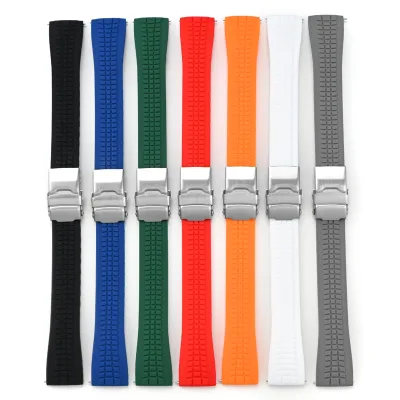
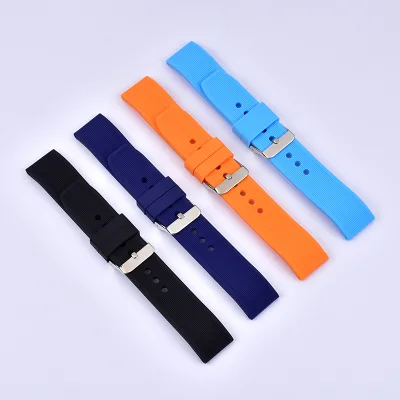
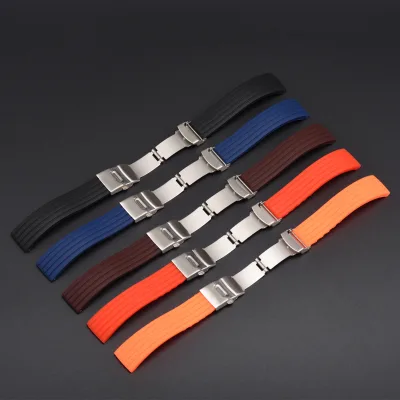
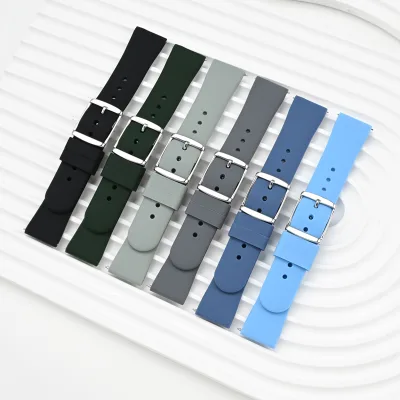
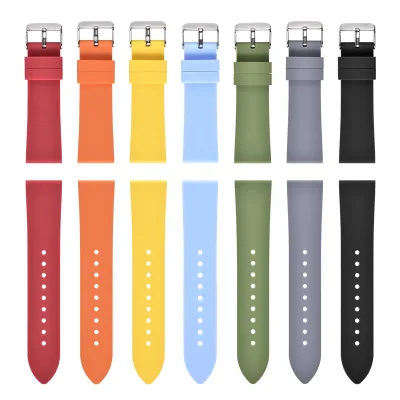
Color and finish options further complicate the specification landscape. Available band colors often come in combinations with buckle finishes, such as Black with a Silver buckle, Red with a Silver buckle, or various combinations with Black buckles. The color palette can range from pure solid colors to more complex designs. For buyers requiring branding, the LOGO type is a critical specification, with Silkscreen being a documented method for applying logos. This ensures that any corporate or brand identity can be applied consistently across the product line. The single package size, observed at 25X25X3 cm, provides logistical data for estimating shipping volumes and storage requirements.
Compliance, Certification, and Quality Assurance
Navigating the compliance landscape is essential for B2B procurement, particularly when sourcing products for international markets. The supply data indicates that suppliers may hold a range of certifications, including Rosh, ISO 9001, ISO 14001, and IATF 16949. These certifications serve as indicators of a supplier's commitment to quality management, environmental responsibility, and automotive-grade quality standards, respectively. While the presence of these certifications suggests a robust quality control system, buyers must verify the validity and scope of these certificates for the specific product lines they intend to purchase. It is important to treat these certifications as observed attributes rather than guaranteed standards for every listed item.
The material safety and environmental impact are also critical considerations. The "Eco-Friendly" feature is a noted attribute for certain silicone straps, suggesting that the manufacturing process or material composition aligns with sustainability goals. However, buyers should request specific test reports or material safety data sheets (MSDS) to confirm these claims. The use of specific curing agents, such as Platinum Catalyst, often correlates with higher purity and lower toxicity, which is beneficial for products that come into prolonged contact with human skin.
Quality assurance extends beyond certifications to include the physical inspection of the product. The tolerance of ±0.1mm mentioned in the technical specifications is a measurable quality metric. Buyers should establish clear acceptance criteria based on these tolerances during the inspection phase. Additionally, the packaging standards, such as OPP bags, carton boxes, or custom packaging, play a role in protecting the product during transit. The "Customerred Welcome" note regarding packaging suggests that suppliers are open to custom packaging solutions, which can be leveraged to enhance brand presentation. Verifying the packaging integrity and the accuracy of the labeling is a crucial step in the quality control process before final acceptance.
Cost Drivers and Pricing Dynamics
The pricing structure for watch straps is influenced by a complex interplay of factors, including material costs, manufacturing complexity, and order volume. The observed price range in the market spans from $0 to $69.9, indicating a wide spectrum of product tiers. This variation is likely driven by differences in material quality, design complexity, and the level of customization required. Silicone and rubber materials have different cost bases, and the inclusion of features like custom logos or specific buckle finishes can significantly impact the final unit price.
Minimum Order Quantity (MOQ) is another critical cost driver. The observed MOQ range varies from 1 to 500 units. Lower MOQs, such as 1 unit, are typically associated with sample orders or small-batch customizations, which often carry a higher per-unit cost due to setup and handling fees. Conversely, larger orders within the 500-unit range may benefit from economies of scale, resulting in a lower cost per unit. Buyers must balance their inventory needs with their budget constraints to determine the optimal order quantity.
Customization is a significant factor in pricing. The availability of OEM/ODM services and customization options allows buyers to tailor products to their specific needs, but this comes at a premium. The cost of tooling for compression molding, the setup for silkscreen printing, and the development of custom packaging all contribute to the overall cost. Additionally, the lead time for custom orders, which can range from 3 to 8 working days for samples, may influence the pricing strategy. Buyers should factor in the total cost of ownership, including potential rush fees for expedited production, when negotiating with suppliers.
Supplier Evaluation and Operational Capabilities
Evaluating potential suppliers requires a thorough assessment of their operational capabilities and reliability. The supply data indicates that the origin of these products is primarily China, with specific mentions of Guangdong as a production hub. This region is known for its robust manufacturing infrastructure, but buyers should still conduct due diligence to ensure the supplier meets their specific quality and ethical standards. The availability of both OEM and ODM services suggests that suppliers are capable of handling a range of production models, from manufacturing existing designs to developing new products from scratch.
The customization capabilities of a supplier are a key differentiator. The fact that customization is "Available" and that "Customerred Welcome" packaging is offered indicates a flexible approach to client needs. Buyers should verify the supplier's ability to handle specific requirements, such as custom model numbers or unique color combinations. The sample availability, with a lead time of 3-8 working days, is a positive indicator of responsiveness. However, buyers should also inquire about the supplier's capacity to scale production and their track record for meeting deadlines.
Supplier reliability is further assessed through their certification status and quality control processes. The presence of ISO 9001 and IATF 16949 certifications suggests a commitment to standardized quality management. Buyers should request evidence of these certifications and ask for references from other clients. The ability to provide detailed product specifications, such as the Shore 70A hardness or the ±0.1mm tolerance, demonstrates a high level of technical competence. Additionally, the supplier's willingness to accommodate specific packaging requirements, such as OPP bags or custom boxes, is a sign of a customer-centric approach.
Quality Control Protocols and Inspection Standards
Implementing a robust quality control (QC) protocol is essential to ensure that the received watch straps meet the required specifications. The first step in QC is the verification of material properties. Buyers should confirm that the material matches the agreed-upon specification, whether it is silicone or rubber, and that the hardness rating, such as Shore 70A, is consistent across the batch. Dimensional accuracy is another critical aspect, with a tolerance of ±0.1mm serving as a benchmark. Inspection should involve measuring the band width, length, and overall geometry to ensure they align with the standard sizes of 45mm35mm230mm or custom dimensions.
Visual inspection is also necessary to check for defects such as discoloration, uneven coloring, or imperfections in the silkscreen logo application. The color combinations, such as Black with Silver buckle or Red with Black buckle, should be verified against the approved samples. The packaging should be inspected to ensure it meets the agreed-upon standards, whether it is an OPP bag, a box, or custom packaging. The single package size of 25X25X3 cm should be consistent, and the gross weight of 0.050 kg should be within acceptable limits.
For high-volume orders, statistical process control (SPC) can be employed to monitor production consistency. Buyers should establish clear acceptance criteria and reject rates, and consider conducting third-party inspections if the order value is significant. The secondary curing process, with its specific temperature and time requirements, should be verified to ensure the material properties are stable. Regular communication with the supplier regarding QC results and any necessary corrective actions is vital for maintaining product quality throughout the production cycle.
Long-Term Procurement and Strategic Considerations
Sourcing watch straps is not merely a transactional activity but a strategic initiative that requires long-term planning. The flexibility of the supply chain, indicated by the availability of both OEM and ODM services, allows buyers to adapt to changing market demands. As consumer preferences shift towards eco-friendly products, the "Eco-Friendly" attribute of certain silicone straps becomes increasingly valuable. Buyers should consider the environmental impact of their sourcing decisions and explore suppliers who prioritize sustainable practices.
The ability to customize products, including logos and packaging, offers a competitive advantage in the market. By leveraging these customization options, buyers can differentiate their products and build brand loyalty. However, this requires a deep understanding of the customization process and the associated costs. Long-term contracts with suppliers who demonstrate reliability and quality can help stabilize costs and ensure a consistent supply of high-quality straps.
Finally, buyers should maintain a proactive approach to supplier relationship management. Regular audits, performance reviews, and open communication channels are essential for fostering a strong partnership. By staying informed about industry trends and technological advancements, buyers can make informed decisions that align with their long-term business goals. The Watch Strap market is dynamic, and a strategic approach to procurement will ensure that buyers remain competitive and responsive to customer needs.
FAQs
What materials are used for these watch straps?
The straps are primarily made of silicone and rubber. Silicone options feature Shore 70A hardness for comfort, while rubber variants are marketed as waterproof for durability.
Can I customize the Watch Strap with my logo?
Yes, customization is available including silkscreen logo application. Both OEM and ODM services are offered to meet specific branding requirements for your product line.
What certifications do the Watch Strap suppliers hold?
Suppliers may hold Rosh, ISO 9001, ISO 14001, and IATF 16949 certifications. These indicate adherence to quality management and environmental standards for international markets.
How long does it take to get a sample?
Samples are available for stock with a lead time of 3 to 8 working days. This allows buyers to verify quality and specifications before placing larger orders.
What is the minimum order quantity for these straps?
The minimum order quantity ranges from 1 to 500 units depending on the supplier. Lower quantities often apply to samples while bulk orders benefit from economies of scale.
Which dimensions are standard for these watch bands?
Standard band widths include 20 mm and 22 mm with a standard size of 45mm*35mm*230mm. Custom dimensions like 20*18mm are also available based on specific model requirements.