Source Waterproof Anti-Theft Fanny Waist Bag for Travel Hiking Sports
Explore 30 verified options for the Waterproof Anti-Theft Fanny Waist Bag, comparing materials like polyester and nylon, sizes, and customization features from suppliers in China. Buyers can evaluate MOQs, lead times, and packing details to find the right fit for daily use or outdoor activities.
Key considerations
Products List


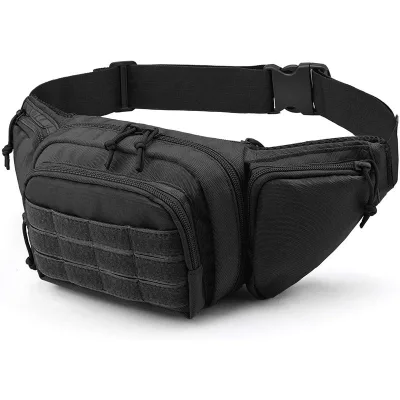
Waterproof Belt Chest Handbag Unisex Fanny Pack Belly Bags Purse Waist Pack
$1.20 - $1.50
MOQ: 1000 Pieces



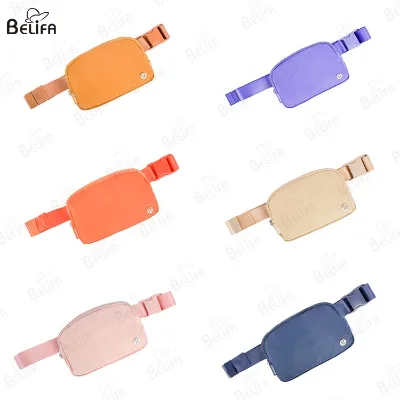
Custom Logo Crossbody Bag Chest Bag Men Waist Bag Fanny for Men Fanny Pack
$10.33 - $10.89
MOQ: 50 Pieces




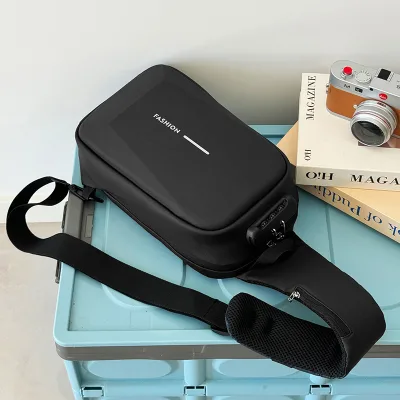
Crossbody Bags for Women Fanny Pack Waterproof Nylon Waist Bag Chest Pack
$4.98 - $6.00
MOQ: 300 Pieces


Shoulder Chest Bag Waterproof Fanny Pack Waist Bags with Adjustable Belt
$3.25 - $4.25
MOQ: 500 Pieces

Comprehensive Sourcing Guide
Waterproof Anti-Theft Fanny Waist Bag Sourcing Guide
Procuring waterproof anti-theft fanny waist bags requires a strategic balance between material durability, security features, and supply chain reliability. These accessories are increasingly vital for travelers, athletes, and daily commuters who need secure, hands-free storage in unpredictable weather conditions. The market offers a diverse range of options, from soft, flexible designs to structured, box-type configurations, each serving distinct user preferences. Buyers must navigate this variety by focusing on specific technical attributes that ensure product longevity and user satisfaction.
The sourcing process is heavily influenced by customization capabilities and minimum order quantities (MOQs). Many suppliers offer OEM/ODM services, allowing brands to tailor dimensions, colors, and branding elements to their specific identity. However, these customizations often come with higher MOQs, typically ranging from 500 to 1000 pieces, which can impact initial inventory costs. Understanding these commercial terms early in the negotiation phase helps buyers align their procurement strategy with their sales forecasts and budget constraints, ensuring a smoother transition from sample approval to mass production.
Product Scope and Observed Listing Signals
The current market landscape for waterproof anti-theft fanny waist bags reveals a strong emphasis on versatility and style. Products are categorized by shape, including box-type, dumpling-type, and cube-type designs, catering to different aesthetic and functional needs. Materials predominantly feature polyester, nylon, and Oxford fabrics, each offering unique benefits in terms of weight, texture, and resistance to wear. The hardness of these bags varies from soft to medium soft, providing comfort against the body during extended wear, while the unisex gender appeal broadens the potential customer base significantly.
Waterproofing is a critical feature, with many listings explicitly highlighting water-resistant or fully waterproof construction. This attribute is essential for protecting contents from rain and accidental splashes, making these bags suitable for outdoor activities and urban commuting. Additionally, the closure mechanisms are primarily zipper-based, ensuring secure access to compartments. The fashion-forward style of these products suggests they are designed not just for utility but also as a fashion accessory, appealing to consumers who value both form and function in their daily carry items.
Technical Specifications to Verify
When evaluating technical specifications, buyers should prioritize dimensions and packaging details to ensure logistical efficiency. Standard sizes observed in the market include dimensions such as 32x15x5 cm, 40x15x9 cm, and 34x2x15 cm, with some options offering customizable sizing to meet specific brand requirements. Packaging methods vary, with some products packed individually in OPP bags and others in cartons, which directly impacts shipping volume and cost. Verifying the single package size, such as 46x10x18 cm for certain models, is crucial for calculating freight charges and warehouse storage needs accurately.
Model numbers and origin locations provide additional context for product identification and supply chain transparency. Models like fleming87, ly-zwp322, and CS-20561 indicate specific design iterations, while origins in regions like Xiamen and Guangdong, China, highlight key manufacturing hubs. Buyers should verify if the product includes specific features like water-proofing certifications or anti-theft mechanisms, as these are often implied rather than explicitly detailed in basic listings. Confirming these technical details with suppliers ensures that the final product matches the intended use case and quality expectations.
Compliance and Safety Documentation
Compliance and safety documentation are paramount when sourcing consumer goods, especially those intended for daily use. While specific certification statuses may vary by supplier, buyers should request evidence of adherence to relevant standards, such as CE marking, which indicates conformity with health, safety, and environmental protection standards for products sold within the European Economic Area. Understanding the regulatory requirements in the target market is essential to avoid customs delays or product recalls, ensuring that the imported goods meet local legal obligations.
Safety considerations also extend to the materials used in the construction of the bags. Buyers should inquire about the chemical composition of the fabrics and zippers to ensure they are free from harmful substances like lead or phthalates, particularly if the products are marketed towards younger demographics or used in close contact with the skin. Requesting material safety data sheets (MSDS) or test reports from independent laboratories can provide assurance that the products are safe for consumers and compliant with international environmental regulations, thereby protecting the brand’s reputation.
Cost Drivers and Commercial Terms
Cost drivers for waterproof anti-theft fanny waist bags include material selection, customization complexity, and order volume. The use of high-denier fabrics like 900D Oxford or specialized nylon can increase material costs but offers superior durability and water resistance. Customization options, such as unique shapes, colors, or branding, often require additional setup fees and higher MOQs, which can affect the per-unit price. Buyers should negotiate based on their projected order volumes, leveraging the potential for long-term partnerships to secure more favorable pricing structures.
Commercial terms such as sample time, production time, and payment terms are critical components of the procurement agreement. Sample production typically takes 5-10 working days, allowing buyers to evaluate quality before committing to large orders. Mass production lead times can range from 35 to 45 days, requiring careful planning to align with seasonal demand or marketing campaigns. Understanding these timelines helps buyers manage inventory levels effectively, avoiding stockouts or excess inventory, and ensures that cash flow is managed efficiently throughout the procurement cycle.
Supplier Qualification and Quality Control
Supplier qualification involves assessing the manufacturer’s production capacity, quality control processes, and past performance. Buyers should verify the supplier’s supply ability, such as the capacity to produce 150,000 bags per month, to ensure they can meet large order demands without compromising quality. Conducting factory audits or requesting third-party inspection reports can provide insights into the supplier’s operational efficiency, workforce conditions, and adherence to quality standards. This due diligence helps mitigate risks associated with supply chain disruptions and ensures consistent product quality.
Quality control measures should be established at multiple stages of production, from raw material inspection to final product testing. Buyers should define clear quality acceptance criteria, including checks for stitching integrity, zipper functionality, and waterproofing effectiveness. Implementing pre-shipment inspections can catch defects before goods leave the factory, reducing the likelihood of receiving substandard products. Establishing a robust quality control protocol protects the buyer’s brand reputation and minimizes the costs associated with returns and customer complaints.
Long-Term Procurement Checks
Long-term procurement checks focus on building a resilient and adaptable supply chain. Buyers should regularly review supplier performance metrics, including on-time delivery rates, product quality consistency, and responsiveness to issues. Maintaining open communication channels with suppliers facilitates continuous improvement and allows for quick resolution of any emerging problems. Additionally, staying informed about market trends and technological advancements in bag manufacturing can help buyers identify opportunities for product innovation and cost optimization.
Diversifying the supplier base is a key strategy for mitigating risk and ensuring business continuity. Relying on a single supplier can expose the business to vulnerabilities such as production delays, quality fluctuations, or geopolitical disruptions. By cultivating relationships with multiple qualified suppliers, buyers can maintain competitive pricing and ensure a steady supply of products even during peak demand periods. Regularly reassessing the supplier portfolio and adapting to changing market conditions ensures long-term success and sustainability in the procurement of waterproof anti-theft fanny waist bags.
FAQs
What customization options are available for these bags?
Customization is available for these bags, allowing buyers to specify dimensions like 32*15*5cm or 40*15*9cm. You can also request custom sizes such as 34*2*15cm or 13.11 x 8.78 x 1.77 inches. This flexibility supports unique branding needs while maintaining the waterproof and anti-theft features.
How long does it take to produce an order?
Production time typically ranges from 35 to 45 days after sample approval. Sample preparation requires 5 to 7 days or 7 to 10 working days depending on the specific model. This timeline ensures quality control while meeting standard lead times for bulk manufacturing orders.
Which materials are used for these waterproof waist bags?
These bags are constructed from durable materials including Polyester, Nylon, and Oxford fabric. The material choice ensures the product remains waterproof and suitable for daily use. Different models may vary in hardness, ranging from soft to medium soft, to suit various user preferences.
Can I order small quantities for testing purposes?
Minimum order quantities vary by model, with some requiring 500 pieces and others 1000 pieces. While samples are available, bulk orders must meet these specific thresholds. Buyers should verify the exact MOQ for their chosen model before placing a purchase request.
What certifications do these products meet?
Some models in this category meet the CE standard, ensuring compliance with relevant safety regulations. This certification applies to specific product lines like the 45-67 model. Buyers should confirm certification status for their specific order to ensure regulatory compliance in their target market.
How are the products packaged for shipping?
Packaging options include individual bags in OPP bags or bulk cartons depending on the order size. Specific models like 45-67 use cartons for protection during transit. This packaging ensures the waterproof and anti-theft features remain intact until the product reaches the buyer.
Where are these bags manufactured?
These bags originate from manufacturing facilities in China, specifically in locations like Xiamen and Guangdong. The production base supports a supply ability of 150,000 bags per month. This location ensures efficient logistics and access to established supply chains for global distribution.