Source White Powder Cetrorelix Acetate for Research Pharma and Clinical Use
Find 30 listings for White Powder Cetrorelix Acetate with varying specifications and certifications. Buyers can compare purity, packaging, and origin details to identify suitable pharmaceutical grade suppliers for research and clinical applications.
Key considerations
Products List


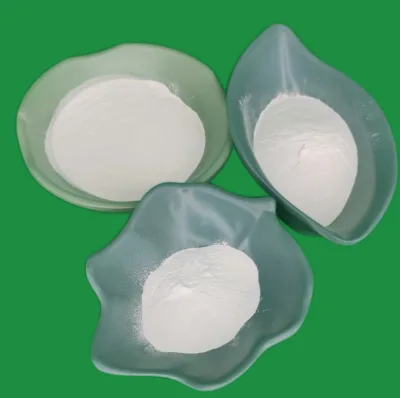
Cosmetic Grade 99% Pure Tranexamic Acid Powder Daily Chemicals Raw Material
$274.51 - $442.63
MOQ: 1 kilograms


Comprehensive Sourcing Guide
Strategic Sourcing Guide for White Powder Cetrorelix Acetate
Procuring high-purity Cetrorelix Acetate in white powder form requires a disciplined approach that balances technical verification with supply chain reliability. As a critical pharmaceutical intermediate, this substance is characterized by specific molecular properties and rigorous quality standards. Buyers must navigate a landscape where product attributes, such as the white to off-white appearance and specific molecular weight, serve as primary identifiers. The following guide outlines the essential parameters for sourcing this material, ensuring that procurement decisions are grounded in verified data and industry best practices rather than unverified claims.
Technical Specifications and Molecular Identity
The foundation of any successful procurement strategy for Cetrorelix Acetate lies in the precise verification of its technical specifications. The product is fundamentally identified as a white powder, with observations ranging from pure white to off-white. This visual characteristic is a primary indicator of the material's state but must be corroborated by analytical data. The molecular formula for this compound is documented as C70H92ClN17O14, with a corresponding molecular weight of approximately 1431.061 g/mol. These figures are non-negotiable identifiers; any deviation suggests a different substance or a significant impurity profile.
Density and refractive index are critical physical constants for verification. Observed data indicates a density of 1.42 and a refractive index of 1.667. While these values provide a baseline, buyers should understand that physical properties can vary slightly based on the specific batch conditions or the presence of counter-ions. The melting point is a crucial thermal property, with observed values around 245°C. This high melting point is consistent with the complex peptide structure of the molecule. Additionally, the pKa value of 9.82 defines the ionization behavior of the compound, which is vital for formulation scientists determining solubility and stability in various pharmaceutical environments. The product is typically supplied in a powder form, which necessitates specific handling protocols to prevent clumping or moisture absorption.
Compliance, Certification, and Regulatory Standards
In the pharmaceutical sector, compliance is not merely a formality but a prerequisite for market entry. When sourcing Cetrorelix Acetate, buyers must verify that the supplier adheres to recognized quality management systems. The available data points to certifications including BP (British Pharmacopoeia), USP (United States Pharmacopeia), ISO, HSE (Health, Safety, and Environment), and GMP (Good Manufacturing Practice). These certifications indicate that the manufacturing process meets international standards for safety and efficacy.
However, the presence of a certification label on a product page does not automatically guarantee that every batch is compliant. Buyers must request current, valid certificates of analysis (COA) and specific certification documents that correspond to the batch being purchased. The standard for the product is often cited as 99% purity, which aligns with the assay requirements for pharmaceutical-grade materials. It is essential to distinguish between the product standard and the actual test results. While the target purity is >99%, the specific assay method used is High-Performance Liquid Chromatography (HPLC). This method is the industry standard for quantifying the purity of peptide-based pharmaceuticals. Buyers should ensure that the supplier's testing protocols align with the HPLC method to ensure accurate purity reporting.
Cost Drivers and Pricing Dynamics
The pricing of Cetrorelix Acetate is influenced by a complex interplay of factors, including purity levels, packaging requirements, and order volume. The observed market price range for this category of products spans from $0.60 to $1,800. This wide variance is not indicative of quality differences alone but reflects the scale of purchase and the form of the material. Small quantities, such as 1 gram, will naturally carry a significantly higher unit cost compared to bulk industrial orders.
Minimum Order Quantity (MOQ) is a primary driver of cost efficiency. The observed MOQ range extends from 1 gram to 100 units, with specific listings showing MOQs of 1 gram for research samples and 1 kilogram for commercial batches. The flexibility in MOQ allows buyers to manage cash flow and inventory risk effectively. However, purchasing in smaller quantities often incurs a premium due to the fixed costs of packaging and handling. Packaging options, such as foil bags or 25kg drums, also impact the final price. Negotiable packing terms suggest that buyers can optimize costs by selecting packaging that matches their storage capabilities and logistics requirements.
Typical Applications and Suitability Profiles
Cetrorelix Acetate is primarily utilized in the pharmaceutical industry, serving as a key component in reproductive medicine. Its application is broad, covering formulations intended for adults, children, and the elderly. This wide suitability profile underscores the versatility of the molecule in various therapeutic contexts. The product is often used as a chemical intermediate in the synthesis of more complex pharmaceutical agents.
The specific applications are dictated by the molecule's mechanism of action, which involves the inhibition of gonadotropin-releasing hormone receptors. This makes it a critical tool in assisted reproductive technologies and the treatment of hormone-dependent conditions. When evaluating a supplier, buyers should confirm that the product is explicitly designated for pharmaceutical applications. The presence of a "Function: Chemical Intermediate" designation in some listings further supports its role in the broader supply chain of drug manufacturing. Buyers must ensure that the intended end-use aligns with the supplier's declared application scope to avoid regulatory complications.
Supplier Evaluation and Origin Verification
Selecting a reliable supplier is perhaps the most critical step in the procurement process. The origin of the product is a significant factor in establishing trust. Data indicates that the product origin is often listed as Xi'an or Shaanxi Xi'an, China. While this provides a geographical anchor, buyers should not rely solely on the city name. Instead, they must verify the specific manufacturing facility's credentials. The location of the origin can influence shipping times, customs duties, and the overall logistics chain.
Supplier evaluation should extend beyond the product page. Buyers must assess the supplier's ability to provide a Certificate of Analysis (COA) for every batch. The "Specific: COA" attribute in the product data highlights the importance of this document. A reputable supplier will readily provide a COA that details the batch number, manufacturing date, expiration date, and specific test results. Furthermore, the supplier should demonstrate a commitment to quality through their adherence to GMP and ISO standards. The availability of customization options is another positive indicator of a supplier's flexibility and capacity to meet specific client requirements.
Quality Control and Testing Protocols
Quality control is the backbone of pharmaceutical procurement. For Cetrorelix Acetate, the primary quality control metric is purity, which is observed to be greater than 99%. The standard assay method for verifying this purity is HPLC. Buyers must insist on test results that are generated using this specific method to ensure consistency and comparability across batches. The shelf life of the product is typically 2 years, a factor that must be considered when planning inventory and usage schedules.
The physical appearance of the powder, described as white or white to off-white, serves as a preliminary quality check. However, visual inspection is insufficient for final acceptance. Buyers should establish a protocol that includes receiving the COA, verifying the batch number against the shipment, and potentially conducting independent third-party testing for critical parameters. The product model, such as HNR-Cetrorelix Acetate or A669, may vary between suppliers, but the underlying chemical identity must remain constant. Any discrepancy in the molecular formula or weight should trigger an immediate investigation.
Long-Term Procurement Considerations
Sourcing Cetrorelix Acetate is not a one-time transaction but a long-term relationship that requires strategic planning. The availability of customization options suggests that suppliers can adapt to changing needs, such as specific packaging sizes or purity requirements. However, buyers must maintain a clear understanding of the supply chain's stability. The origin location, whether Xi'an or Shaanxi, implies a specific logistical route that must be factored into lead time calculations.
Buyers should also consider the scalability of the supply. As production needs grow, the ability of the supplier to increase volume without compromising quality is paramount. The observed MOQ of 1kg for commercial batches suggests a transition point from research to production. Planning for this transition involves negotiating pricing tiers and ensuring that the supplier can maintain consistent quality across larger volumes. Finally, the shelf life of 2 years necessitates a just-in-time inventory strategy to minimize waste and ensure that the material remains effective throughout its intended use. By focusing on these long-term factors, buyers can secure a reliable supply of high-quality Cetrorelix Acetate for their pharmaceutical operations.
Comparative Analysis of Product Attributes
To facilitate decision-making, the following table summarizes the key attributes observed in the market for Cetrorelix Acetate and related compounds. This comparison helps buyers distinguish between the target product and similar substances like Abarelix.
| Attribute | Cetrorelix Acetate | Abarelix (Reference) |
|---|---|---|
| Product Name | Cetrorelix Acetate | Abarelix |
| Appearance | White to Off-White Powder | White Powder |
| Molecular Formula | C70H92ClN17O14 | C72H95ClN14O14 |
| Molecular Weight | 1431.061 | 1416.0631 |
| CAS Number | 120287-85-6 | 183552-38-7 |
| Density | 1.42 | 1.286 |
| Purity Standard | >99% | HPLC 99% |
| Test Method | HPLC | HPLC |
| Shelf Life | 2 Years | Not Specified |
| Origin | Xi'an / Shaanxi Xi'an | Shaanxi Xi'an |
| MOQ Range | 1g - 100 (varies) | 1kg (specific listing) |
This table highlights the distinct molecular differences between Cetrorelix Acetate and Abarelix, emphasizing the importance of verifying the CAS number and molecular weight to prevent procurement errors. While both are white powders used in pharmaceutical applications, their chemical structures and physical properties differ significantly. Buyers must ensure that the specific product ordered matches the intended therapeutic or research requirements.
Conclusion
Procuring White Powder Cetrorelix Acetate requires a meticulous approach that prioritizes technical accuracy, regulatory compliance, and supplier reliability. By focusing on the verified molecular properties, such as the CAS number 120287-85-6 and the specific molecular weight, buyers can ensure they are acquiring the correct substance. The presence of certifications like USP, ISO, and GMP provides a framework for quality assurance, but these must be validated through batch-specific documentation. Understanding the cost drivers, including MOQ and packaging, allows for strategic financial planning. Ultimately, a successful procurement strategy for Cetrorelix Acetate is built on a foundation of rigorous verification and a clear understanding of the product's role within the pharmaceutical supply chain.
FAQs
What is the purity level of White Powder Cetrorelix Acetate?
The purity level is greater than 99 percent as verified by HPLC testing. This standard applies to pharmaceutical grade materials sourced from certified facilities in China.
Which certifications are required for White Powder Cetrorelix Acetate?
Required certifications include USP, BP, ISO, HSE, and GMP standards. These ensure the manufacturing process meets international safety and quality requirements for pharmaceutical intermediates.
How is White Powder Cetrorelix Acetate packaged for shipment?
Packaging options include foil bags and 25kg drums with negotiable terms. Buyers can select specific packing sizes based on their storage capabilities and order volume requirements.
Can White Powder Cetrorelix Acetate be customized for specific needs?
Yes, customization is available for this pharmaceutical intermediate. Suppliers offer flexible options to meet specific client requirements regarding specifications or packaging formats.
What is the shelf life of White Powder Cetrorelix Acetate?
The product has a shelf life of 2 years from the manufacturing date. Proper storage is essential to maintain the integrity of the white to off-white powder.
Which location is the origin of White Powder Cetrorelix Acetate?
The product originates from Xi'an or Shaanxi Xi'an in China. Buyers should verify the specific facility credentials to ensure supply chain reliability and quality control.