Source Wood Grain Waterproof Sheet for Furniture, Kitchen, Bathroom
Find 30 listings for Wood Grain Waterproof Sheet suitable for furniture, kitchen, and bathroom applications. Buyers can compare thickness, fire ratings, and surface finishing options from verified Chinese manufacturers.
Key considerations
Products List


Fireproof Grey Waterproof Sheet for Easy Installation Outdoor Flooring
$15.00 - $16.00
MOQ: 300 Square Meters

Durable Grey Waterproof Sheet for Weather Resistant Outdoor Flooring
$15.00 - $16.00
MOQ: 300 Square Meters

Weather Resistant Durable Grey Waterproof Sheet for Outdoor Projects
$15.00 - $16.00
MOQ: 300 Square Meters

Mothproof Grey Waterproof Sheet for Durable Outdoor Decking Needs
$15.00 - $16.00
MOQ: 300 Square Meters

Eco-Friendly Mothproof Grey Waterproof Sheet for Easy Outdoor Setup
$15.00 - $16.00
MOQ: 300 Square Meters


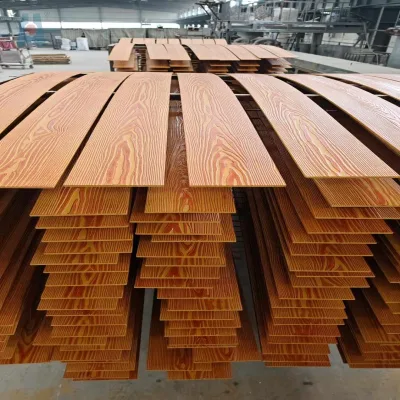


Moisture Resistant Timber Board Waterproof Wood MDF Panel Green MDF Sheet
$4.99 - $16.91
MOQ: 480 Pieces

Marine Plywood Supplier Waterproof Hardwood Marine Plywood Sheet
$32.00 - $33.00
MOQ: 100 Square Meters


Waterproof Fireproof Wood Grain Compact Laminate Board for Interior/Exterior Use
$20.00 - $300.00
MOQ: 300 Pieces


Comprehensive Sourcing Guide
Strategic Sourcing Guide for Wood Grain Waterproof Sheet Procurement
Understanding Product Specifications and Material Composition
When sourcing wood grain waterproof sheets, buyers must first establish a clear understanding of the technical specifications that define product viability. The market offers a diverse range of materials, primarily centered around compact laminate and melamine-faced plywood variants. A critical observation in the current supply landscape is the variation in thickness, which typically spans from 2.0mm up to 30mm for compact laminate options, while other plywood-based solutions may range between 3mm and 30mm. This broad spectrum allows for application-specific selection, where thinner sheets might serve decorative paneling and thicker variants are required for high-wear surfaces or structural elements.
The physical dimensions of these sheets are equally vital for logistics and installation planning. Standardized sheet sizes frequently observed include 1220mm by 2440mm, 1220mm by 3050mm, and 1220mm by 3660mm. Some suppliers also offer customized dimensions, such as 1300mm by 2800mm, or specific board lengths like 2200mm, 2800mm, 2900mm, and 3000mm with a fixed width of 135mm. The density of the material is another key metric, with observed ranges falling between 550kg/m³ and 700kg/m³, influencing the weight and structural integrity of the final product. Furthermore, the surface finishing options are extensive, including texture, matte, glossy, and embossed finishes, which directly impact the aesthetic appeal and tactile feel of the wood grain pattern.
The core material composition often involves melamine-faced plywood or compact laminate structures. Buyers should verify the glue type used in the lamination process, as this dictates the environmental performance. Common glue grades cited in the market include E0, E1, and E2, which refer to formaldehyde emission levels. The bonding strength is another technical parameter, with specific classifications such as Ⅲ(Nc) indicating resistance to water and heat. Additionally, the moisture content of the raw material is typically maintained around 10%, a critical factor for preventing warping or delamination in humid environments.
Compliance, Certification, and Environmental Standards
Navigating the compliance landscape is essential for international procurement, particularly when dealing with construction and furniture materials. The Wood Grain Waterproof Sheet market is characterized by a variety of certifications that validate safety and environmental performance. The CE mark is a prominent certification observed in the supply chain, indicating conformity with health, safety, and environmental protection standards for products sold within the European Economic Area. Beyond CE, buyers should look for Carb (California Air Resources Board) and FSC (Forest Stewardship Council) certifications, which address formaldehyde emissions and sustainable forestry practices respectively. ISO certification is also frequently mentioned as a marker of quality management systems.
Environmental standards are a primary concern for modern procurement strategies. The formaldehyde emission standards are a critical compliance point, with products often rated as "Excellent Grade" to ensure low toxicity. The material's ability to meet specific environmental regulations varies by region, and buyers must verify that the supplier can provide test reports confirming these standards. The "E" grades (E0, E1, E2) serve as a baseline for formaldehyde release, but specific project requirements may demand stricter adherence.
Fire safety is another non-negotiable aspect of compliance. The fire rating for these sheets is often categorized as B1, which denotes a flame-retardant material that is difficult to ignite and slows the spread of fire. This classification is crucial for commercial and public building applications where fire codes are stringent. Buyers should request documentation that explicitly states the fire rating classification and the testing methodology used to achieve it. Additionally, the material's eco-friendly character is often highlighted, suggesting that the manufacturing process and raw materials align with sustainability goals, though specific carbon footprint data should be verified on a case-by-case basis.
Cost Drivers and Pricing Dynamics
The pricing of wood grain waterproof sheets is influenced by a complex interplay of material composition, thickness, surface finishing, and order volume. The observed price range in the market is substantial, spanning from $0.80 to $395 per unit, reflecting the diversity from basic plywood sheets to high-end compact laminates with specialized features. This wide variance indicates that cost is not solely a function of the base material but is heavily driven by the added value of surface treatments and performance attributes.
Thickness is a primary cost driver. Sheets at the lower end of the thickness spectrum (2.0mm to 5mm) generally command lower prices compared to heavy-duty variants reaching 30mm. The density of the material also plays a role; higher density sheets (approaching 700kg/m³) often require more raw material and energy to produce, influencing the final cost. Surface finishing is another significant factor. Glossy, embossed, or textured finishes that mimic high-end wood grains require additional processing steps, which increase the unit price compared to standard matte or plain finishes.
Order volume, represented by the Minimum Order Quantity (MOQ), is a critical component of the cost structure. The observed MOQ range spans from 1 to 1000 units, offering flexibility for small-scale projects while incentivizing bulk purchases for large commercial developments. Suppliers often provide tiered pricing models where the unit cost decreases as the order quantity increases. Customization is a major cost variable; while standard sizes and patterns are more economical, requests for custom dimensions, specific wood grain patterns, or unique thicknesses will incur additional charges.
Packaging requirements also impact the total landed cost. Standard export packaging, such as wooden pallets, polywood pallets, or woven bags, is common. However, specialized packaging for fragile or high-value items may add to the expense. Buyers should factor in the logistics costs associated with the origin location, which is predominantly China, with specific manufacturing hubs in Anhui, Shandong, and Zhangjiagang. Proximity to ports and shipping efficiency can influence the final delivered price, making it essential to evaluate the total cost of ownership rather than just the ex-works price.
Typical Applications and Usage Scenarios
The versatility of wood grain waterproof sheets makes them suitable for a wide array of applications across residential, commercial, and industrial sectors. The primary usage categories include furniture, kitchen cabinetry, bathroom vanities, and laboratory surfaces. The material's inherent waterproof and moisture-proof characteristics make it particularly valuable in high-humidity environments where traditional wood or particleboard would fail. In kitchen and bathroom settings, the sheets provide a durable, easy-to-clean surface that resists water damage and staining.
Commercial applications are equally significant. The sheets are frequently used in office furniture, retail displays, and public building interiors. The "Wear-Resistant" feature ensures that the surface can withstand heavy foot traffic and frequent use without significant degradation. In laboratory settings, the material's resistance to chemicals and moisture, combined with its easy-installation properties, makes it an ideal choice for workbenches and storage units. The "Mothproof" and "Mildewproof" attributes further extend the product's utility to outdoor and semi-outdoor applications, such as patio furniture or exterior cladding, where exposure to the elements is a concern.
The "Modern" and "Classic" style options allow designers to match the sheets to various aesthetic preferences. The wood grain pattern, available in irregular grain and other variations, provides a natural look that enhances the visual appeal of interior spaces. The "Soundproof" and "Thermal Insulation" functions add value in applications where acoustic comfort and energy efficiency are priorities, such as in conference rooms or residential partitions. The "Anti-Static" feature is particularly relevant for electronic manufacturing facilities or server rooms where static discharge could damage sensitive equipment.
Supplier Evaluation and Geographic Considerations
Evaluating suppliers requires a focus on their manufacturing capabilities, geographic location, and logistical reliability. The majority of Wood Grain Waterproof Sheet manufacturers are located in China, with key production hubs identified in Anhui, Shandong, and Zhangjiagang. Each region may have specialized strengths; for instance, Anhui and Shandong are known for their plywood and composite wood industries, while Zhangjiagang is a significant hub for packaging and related manufacturing. Buyers should verify the specific origin of the product to ensure it aligns with their supply chain preferences and to anticipate potential logistics challenges.
Supplier evaluation should also include an assessment of their customization capabilities. The availability of customization is a key differentiator, allowing buyers to tailor product dimensions, thickness, and surface finishes to specific project needs. Suppliers that offer flexible production lines can accommodate unique requirements, such as non-standard sheet sizes or specialized bonding strengths. The "Customized" attribute is frequently highlighted, indicating that many manufacturers are willing to adapt their standard offerings to meet client specifications.
Logistical factors, such as lead times and shipping methods, are critical for project planning. While specific lead times are not universally standardized, buyers should expect variations based on order volume and customization requirements. The packaging method, ranging from carton boxes to polywood pallets, should be evaluated to ensure it meets the protection needs of the product during transit. Standard export pallet packages are common, but for high-value or fragile items, additional protective measures may be necessary.
Quality Control and Long-Term Procurement Strategy
Implementing a robust quality control (QC) strategy is essential for ensuring the long-term performance of wood grain waterproof sheets. Buyers should establish clear acceptance criteria based on the technical specifications observed in the market, such as thickness tolerance, density, and moisture content. Regular inspections should verify that the fire rating remains at B1 and that the formaldehyde emission levels meet the required E0, E1, or E2 standards. The bonding strength, specifically the Ⅲ(Nc) classification, should be tested to confirm resistance to water and heat.
Long-term procurement considerations involve building a sustainable relationship with suppliers who can consistently deliver high-quality products. This includes verifying the supplier's ability to maintain consistent quality across different production batches. The "Eco-Friendly" character of the material should be a recurring theme in procurement discussions, ensuring that the supplier adheres to environmental standards over time. Buyers should also consider the lifecycle of the product, evaluating its durability and resistance to wear, mildew, and UV exposure.
The "Easy Install" feature is a significant advantage for contractors and end-users, reducing installation time and labor costs. However, proper installation techniques must be followed to maintain the product's integrity. Buyers should provide suppliers with clear installation guidelines and ensure that the packaging protects the sheets from damage during shipping. By focusing on these quality control measures and long-term strategies, buyers can mitigate risks and ensure that the wood grain waterproof sheets meet their performance expectations throughout the product's lifespan.
Comparative Analysis of Product Attributes
To facilitate informed decision-making, the following table summarizes the key attributes and specifications observed in the market for wood grain waterproof sheets. This comparison highlights the diversity of options available and assists buyers in selecting the most suitable product for their specific needs.
| Attribute Category | Key Specifications & Observations | Application Relevance |
|---|---|---|
| Material Type | Compact Laminate, Melamine Faced Plywood | Determines structural strength and surface durability |
| Thickness Range | 2.0mm - 30mm (Laminate), 3mm - 30mm (Plywood) | Thicker sheets for high-wear areas; thinner for paneling |
| Surface Finish | Texture, Matt, Glossy, Embossed | Aesthetic matching and tactile requirements |
| Fire Rating | B1 (Flame Retardant) | Critical for commercial and public building compliance |
| Environmental | E0, E1, E2 Glue; Formaldehyde Emission: Excellent Grade | Indoor air quality and health safety |
| Water Resistance | Waterproof, Moisture-Proof, 10% Moisture Content | Essential for kitchens, bathrooms, and outdoor use |
| Dimensions | 1220x2440mm, 1220x3050mm, 1220x3660mm, Custom | Logistics planning and installation fit |
| Certifications | CE, Carb, FSC, ISO | Market access and regulatory compliance |
| Origin | China (Anhui, Shandong, Zhangjiagang) | Supply chain logistics and lead time estimation |
| Packaging | Wooden Pallet, Polywood Pallet, Carton Box, Woven Bag | Protection during transit and handling efficiency |
This structured approach to understanding product attributes ensures that buyers can navigate the complex landscape of Wood Grain Waterproof Sheet procurement with confidence, focusing on the specific requirements of their projects while adhering to quality and compliance standards.
FAQs
What fire rating do wood grain waterproof sheets typically have?
These sheets typically have a B1 fire rating, indicating they are flame-retardant and difficult to ignite. This classification is essential for commercial and public building applications where strict fire codes must be met to ensure safety compliance.
Which certifications are available for wood grain waterproof sheets?
Common certifications include CE, Carb, FSC, and ISO, which validate safety and environmental performance. Buyers should verify these marks to ensure the product meets international standards for formaldehyde emissions and sustainable forestry practices.
How thick are the available Wood Grain Waterproof Sheet options?
Thickness ranges from 2.0mm to 30mm depending on the specific product type like compact laminate or melamine-faced plywood. Thinner sheets suit decorative paneling, while thicker variants are required for high-wear surfaces or structural elements.
Can I order custom dimensions for wood grain waterproof sheets?
Yes, customization is available for dimensions such as 1220x2440mm or specific lengths like 2200mm to 3000mm. Suppliers often accommodate requests for non-standard sizes, though this may affect the unit price and lead time.
Where are Wood Grain Waterproof Sheet manufacturers primarily located?
Manufacturers are predominantly located in China, with key hubs in Anhui, Shandong, and Zhangjiagang. These regions specialize in plywood and composite wood industries, influencing logistics and shipping costs for international buyers.
What surface finishes are offered for wood grain waterproof sheets?
Surface finishing options include texture, matte, glossy, and embossed finishes to mimic wood grain patterns. These finishes impact the aesthetic appeal and tactile feel, allowing buyers to match specific design requirements for furniture or cabinetry.
What is the minimum order quantity for wood grain waterproof sheets?
The minimum order quantity ranges from 1 to 1000 units, offering flexibility for small projects or bulk commercial needs. Suppliers often provide tiered pricing where unit costs decrease as the order volume increases significantly.