acrylic Sourcing Overview
-
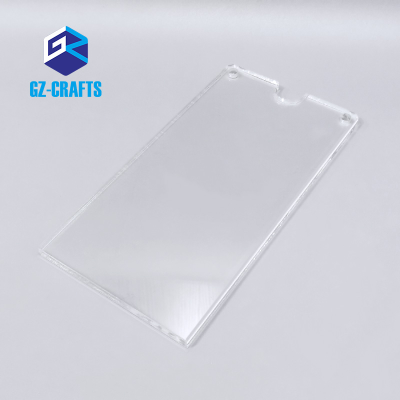
Diverse Product Forms and Applications A common mistake is to overlook the variety in acrylic product types such as sheets, panels, displays, and boxes; selecting the correct form like cast acrylic sheets versus display stands is crucial to meet your specific functional and aesthetic requirements.
-
Material Composition Nuances Request detailed specifications on the acrylic resin type, whether it's thermoplastic acrylic resin, silicone acrylic, or acrylic copolymer, since each material variant influences durability, flexibility, and chemical resistance in distinct ways.
-
Density and pH Range Considerations In practice, most suppliers offer acrylic with densities around 1.2 g/cm3 or 0.5 g/cm3 and pH values spanning from mildly acidic (5.0) to slightly alkaline (8.5); understanding these ranges helps anticipate performance in your intended environment.
-
Water Absorption Impact on Longevity Water absorption rates, varying from less than 0.01% to up to 0.4%, can account for significant differences in product lifespan and maintenance costs, so prioritize lower absorption values for applications exposed to moisture.