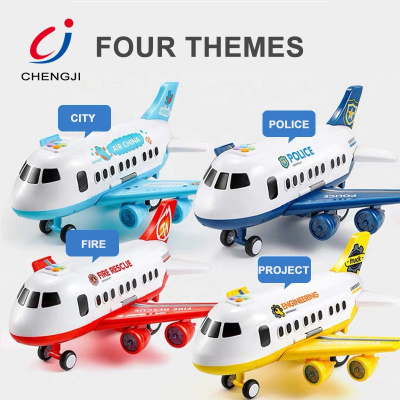
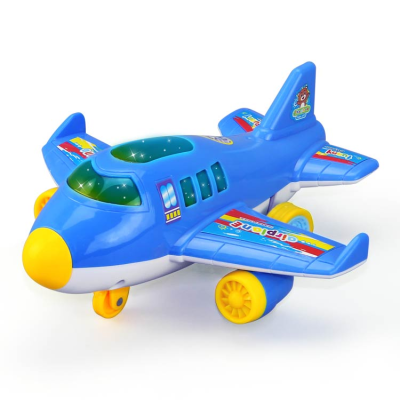
airplane Sourcing Overview
-
Model and Type Compatibility Overlooking the specific model—whether it's a Douglas DC-6, Phenom 100E, B737-800, A319, or A340-600—often leads to mismatched operational capabilities; ensure the selected airplane aligns precisely with your intended use case and fleet requirements.
-
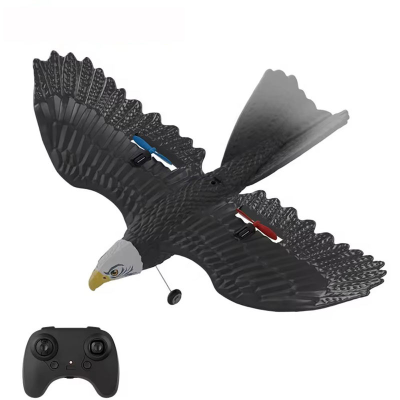
Material Suitability for Durability Negotiate explicitly on the airplane's material composition, choosing between plastic, metal, or alloy based on durability needs and maintenance expectations, as this directly influences longevity and performance.
-
Certification Compliance as Industry Norm In practice, most reputable suppliers will provide airplanes certified under standards like CE, ASTM, SGS, and EN series (EN71, EN62115, EMC, EN60825), which is critical for regulatory acceptance and safety assurance.
-
Functionality Versus Size Trade-off The trade-off between product size—from compact 7.6 cm models to larger 60 x 37 x 72 cm units—and functional features such as electric operation, sliding, rotation, or cyclotron mechanisms depends heavily on your operational priorities and space constraints.