alarm Sourcing Overview
-
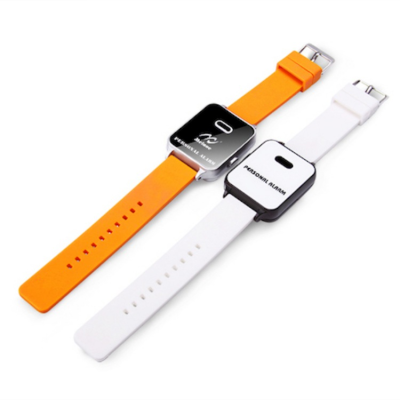
Diverse Alarm Types Require Precise Matching Overlooking the specific alarm type needed often leads to functional mismatches; selecting between options like Fire Alarm, Personal Alarm, or Optical Fiber Alarm must align exactly with your security objectives to avoid costly misapplications.
-
Insist on Comprehensive Certification Compliance Request alarms that carry multiple certifications such as CE, ISO, RoHS, and FCC to ensure adherence to international safety and quality standards, which mitigates risks related to regulatory non-compliance.
-
In Practice, Material Selection Influences Durability and Application Experienced buyers typically favor materials like 304 Stainless Steel or Aluminum Alloy for outdoor and fireproof alarms, while ABS Plastic suits indoor or keychain models, directly impacting product lifespan and suitability.
-
Weight and Signal Transmission Affect Installation and Cost Efficiency The trade-off between wireless and wired alarms hinges on installation complexity and reliability, while weight variations from 10 g to 450 g can influence shipping costs and mounting options, so balance these factors to optimize total expenditure.