analyzers Sourcing Overview
-
Certification Compliance and Regulatory Assurance Overlooking the necessity of certifications like ISO, FDA, CE, RoHS, and SGS often leads to compliance issues and market entry barriers, so prioritize analyzers that carry these certifications to ensure legal and quality standards are met.
-
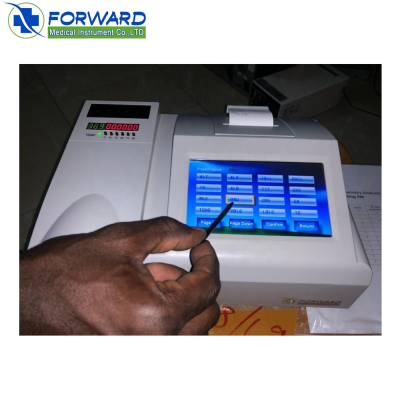
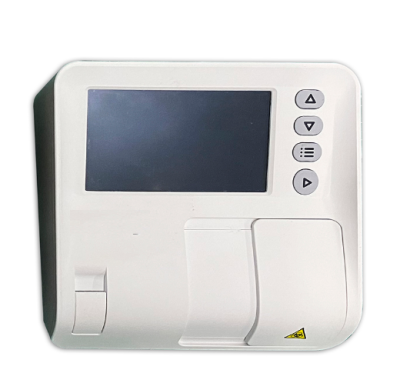
Display Technology Selection Request analyzers with display types that suit your operational environment; for instance, a 5 Inch Touch Screen or Long Life LED offers better usability and durability compared to basic LCD or digital displays, which can enhance user interaction and reduce maintenance.
-
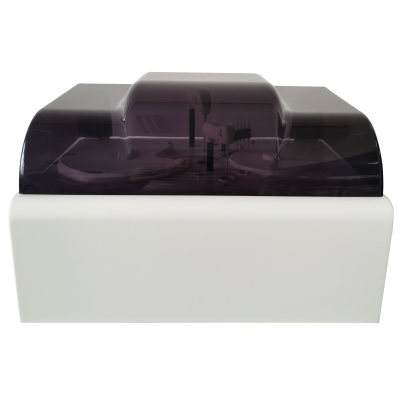
Product Type and Functional Fit In practice, most suppliers categorize analyzers by their specific functions—ranging from Semi Auto Chemistry to Power Quality and Hematology Analyzers—so select the type that aligns precisely with your analytical needs to avoid unnecessary features and costs.
-
Sample Volume and Weight Considerations The trade-off between sample volume capacity (from as low as 1 µL up to 300 µL) and the weight of the device (5 kg to 85 kg) depends on your laboratory’s throughput and space constraints, as heavier models with larger volumes may increase installation and operational costs.