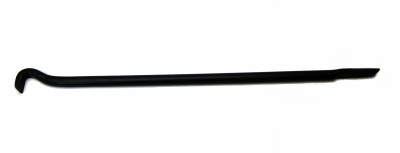
bars Sourcing Overview
-
Material Selection Complexity Overlooking the specific mechanical and corrosion resistance properties of materials like Q235, stainless steel, or carbon steel often leads to sourcing bars that underperform in their intended application, especially in structural or outdoor environments.
-
Product Type Specification Insist on clear identification of the product type, whether it’s a custom tie bar, magnetic product, or rebar, as each serves very different functions and manufacturing standards, which directly impact compatibility and compliance with project requirements.
-
Processing Technique Impact In practice, most suppliers differentiate bars by their technique—hot rolled bars typically offer better ductility for construction, while cold drawn bars provide superior surface finish and dimensional accuracy, influencing the end-use suitability.
-
Surface Treatment and Grade Considerations A critical question to pose your supplier is how the chosen surface treatment, such as galvanizing or passivation, complements the grade like HRB 400 or SD 400, since this combination affects corrosion resistance and longevity, thereby impacting total lifecycle costs.