battery Sourcing Overview
-
Material Selection Risks Overlooking the chemical composition can lead to safety and compatibility issues; for instance, choosing Lithium Thionyl Chloride or Lead Acid batteries without assessing application suitability often results in performance problems or regulatory hurdles.
-
Certification Compliance Necessity Insist on suppliers providing key certifications like UN38.3 for transport safety and RoHS for hazardous substance compliance to ensure your batteries meet international standards and avoid costly legal complications.
-
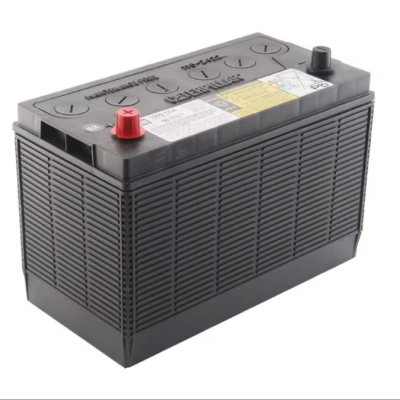
Battery Type and Application Fit In practice, most suppliers categorize batteries as Standby, Lithium Polymer Battery Pack, or Lead Acid Battery, so understanding your device’s power requirements and operating conditions will guide you to the correct type and avoid mismatches.
-
Capacity and Voltage Cost Impact Capacity options from 600 mAh to 800 Ah/10 Hr and nominal voltages ranging from 2 V to 12 V can significantly influence overall system cost and efficiency; selecting the optimal balance between these parameters directly affects your return on investment.