bell Sourcing Overview
-
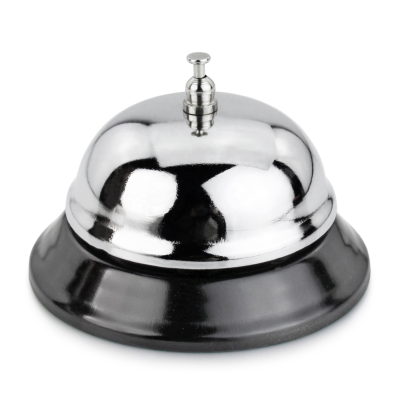
Material Suitability and Durability Overlooking the specific material choice often leads to premature wear or corrosion; for example, ABS and plastic variants suit lightweight applications, whereas stainless steel or aluminum alloys offer superior longevity and resistance in harsh environments.
-
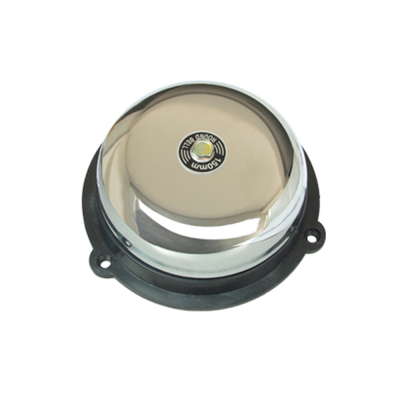
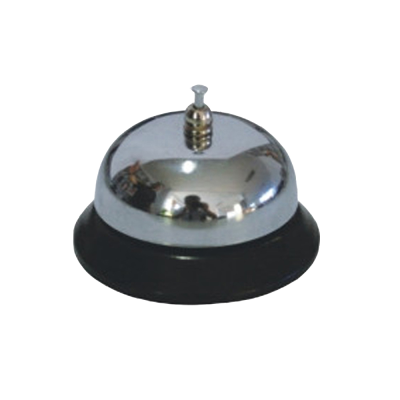
Tailor Product Type to Application Needs Negotiate the exact bell type based on operational context—electric bells like explosion proof or flameproof models are essential for hazardous settings, while combination or bicycle bells fit everyday usage scenarios.
-
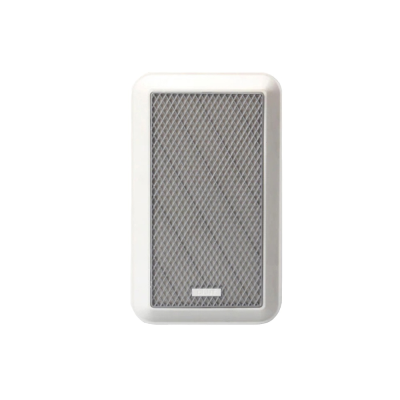
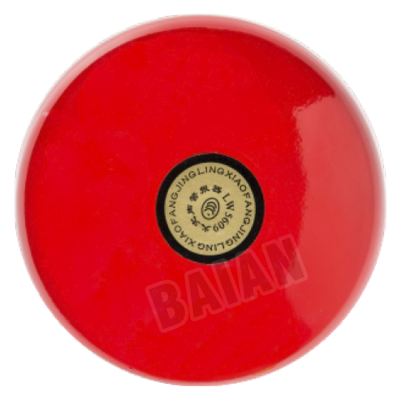
Working Principle Selection Insight In practice, most industrial bells rely on electromechanical or electromagnetic principles for reliable sound output, whereas electro acoustic styles are less common and typically reserved for specialized signaling.
-
Certification and Voltage Compliance Check A critical question to pose your supplier is whether the bell meets required certifications such as CE or RoHS and supports your facility’s voltage standards, be it AC 220 V or DC 24 V, to ensure safety and regulatory adherence.