bin Sourcing Overview
-
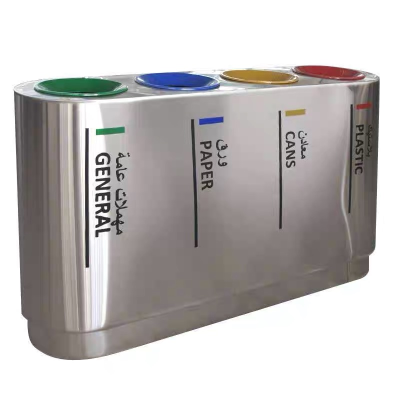
Material Suitability and Durability Risks Overlooking the material's compatibility with the intended environment often leads to premature wear or corrosion; for example, choosing iron or mild steel for outdoor urban furniture without proper coating can result in rust, whereas 304 stainless steel or HDPE offers superior weather resistance.
-
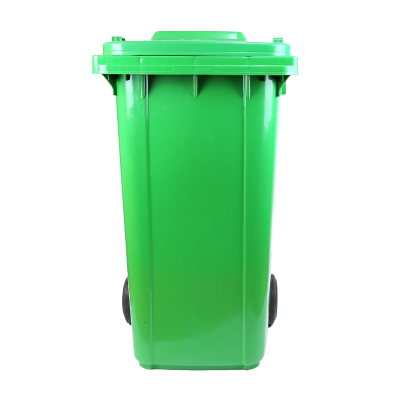
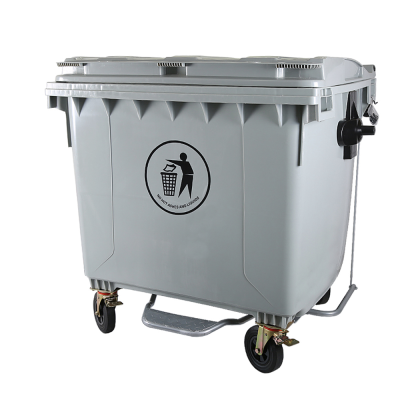
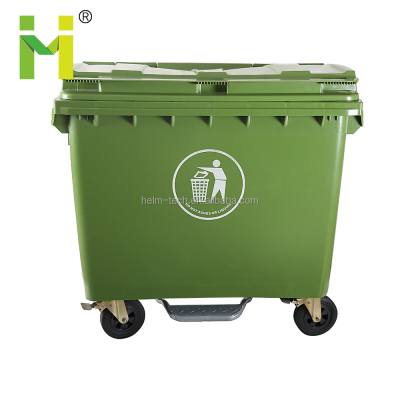
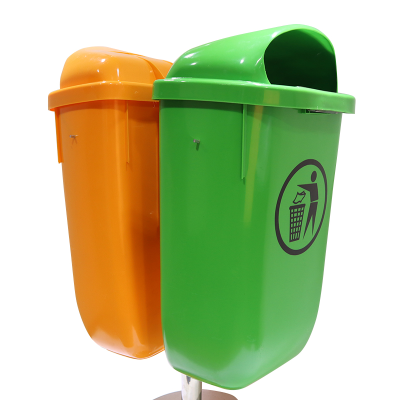
Specify Product Type and Functional Design Insist on clearly defining the bin's function—whether a sanitary bin, wheelie bin, or sensor dustbin—to ensure the design meets operational needs, such as mobility for wheelie bins or hygienic features for sanitary bins.
-
Capacity Alignment with Usage Requirements In practice, most suppliers offer bins ranging from 15 L for household use up to 1100 liters for commercial or construction waste; selecting the correct capacity directly impacts waste management efficiency and space utilization.
-
Target Group and Application Impact on Cost The choice of target group—public parks versus hospitals or supermarkets—can account for up to 30% of total cost due to differing standards and customization needs, so tailoring features like pedal operation or sensor activation accordingly optimizes investment.