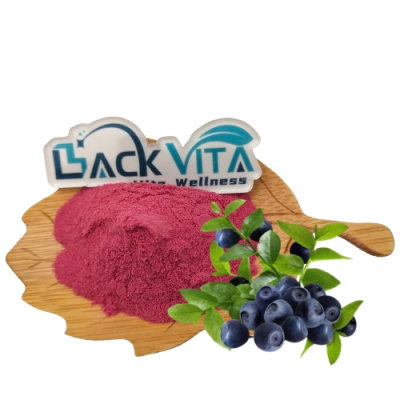
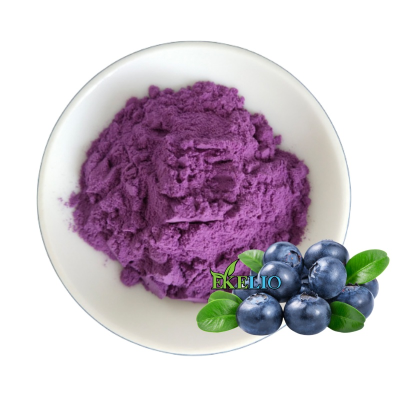
blueberry Sourcing Overview
-
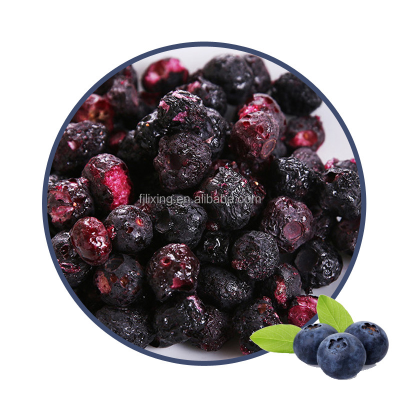
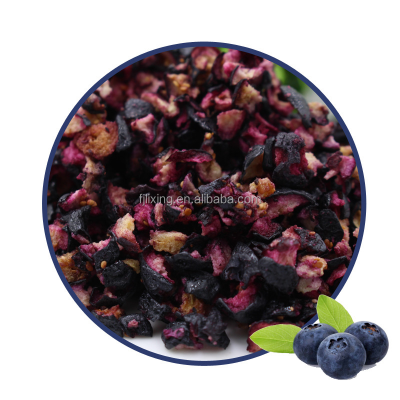
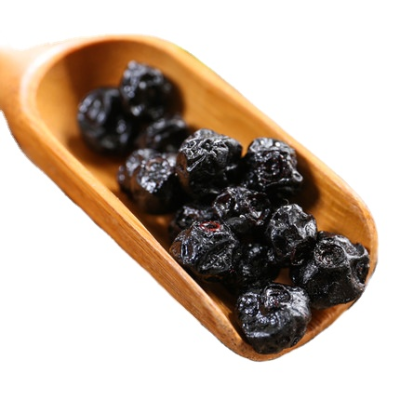
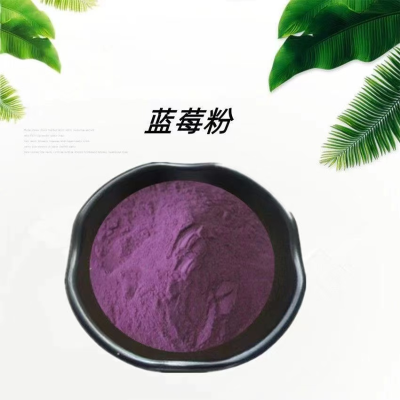
Product Form Selection A common mistake is overlooking how the blueberry form—whether fresh, frozen, IQF, dried, or powdered—directly impacts shelf life and storage needs; for instance, fresh blueberries have a shelf life of just 10-18 days, whereas powders and concentrates can last up to 2 years.
-
Certification Requirements Insist on certifications that align with your target market and regulatory demands, such as FDA for the US market or Organic certification if positioning for health-conscious consumers, as these credentials greatly influence supplier credibility and product acceptance.
-
Packaging Specifications In practice, most suppliers offer a range of packaging options from bulk drums to transparent bags; negotiate for packaging that preserves product integrity while meeting your logistical and branding needs, considering custom packaging for premium presentation or bulk packaging for cost efficiency.
-
Storage Temperature and Shelf Life Considerations Choosing the right storage temperature directly affects product viability and cost, since frozen blueberries require storage below -18 °C to maintain quality for up to 24 months, whereas products stored under 18 °C generally have shorter shelf lives, impacting inventory turnover and waste.