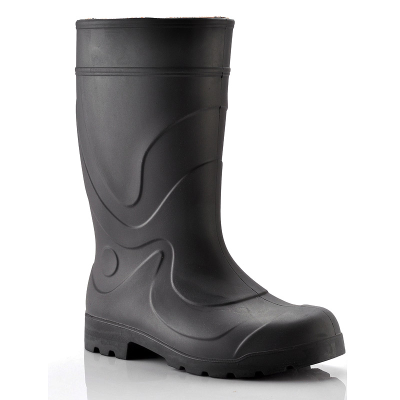
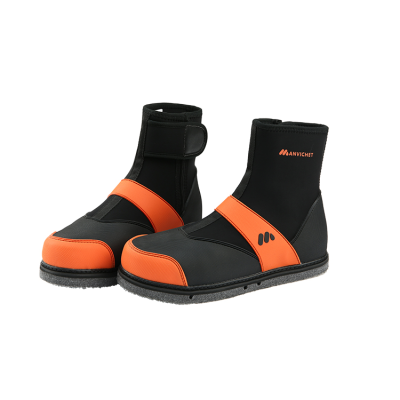
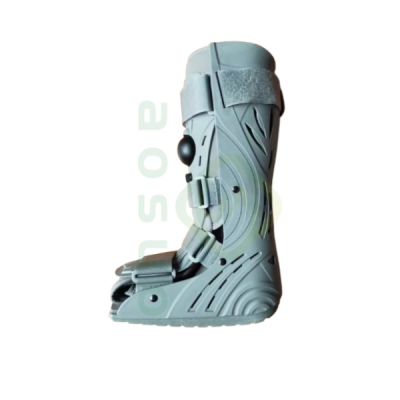
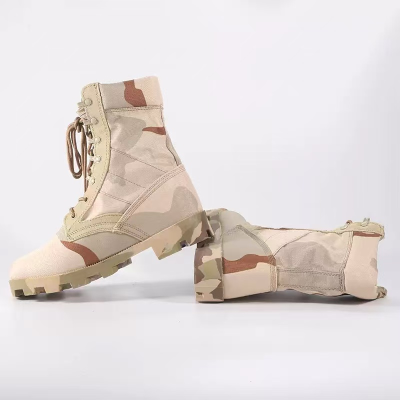
boot Sourcing Overview
-
Material Selection and Durability Risks Overlooking the specific material composition such as genuine cow leather versus synthetic options like EVA or mesh can lead to durability issues or user dissatisfaction, especially in demanding environments where leather or nubuck offers superior longevity.
-
Design Features Tailored to Safety Needs Negotiate inclusion of essential design elements like steel toe caps, slip resistance, and puncture resistance based on the end-use; these features significantly enhance workplace safety and compliance with industry standards.
-
Sizing Range and Market Expectations In practice, most suppliers provide a broad US size range from 4 to 12 to accommodate diverse workforces, so ensure the chosen supplier reliably stocks or manufactures this spectrum to avoid limiting your customer base.
-
Certification Impact on Compliance and Cost A critical question to pose your supplier is whether their boots carry certifications like CE, ISO 9001, ISO 14001, or BSCI, as these not only affect regulatory compliance but also influence the overall procurement cost and brand reputation.