buffer Sourcing Overview
-
Material Composition and Performance Overlooking the specific materials like neoprene, rubber, and steel can lead to selecting buffers that fail under impact or insulation demands; prioritize impact-resistant compounds tailored to your operational environment to ensure durability.
-
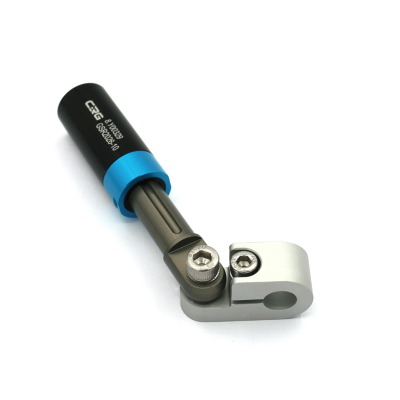
Product Type Alignment Request precise identification of the buffer type—whether it's a shock buffer, spreader buffer block, or crane spreader buffer pad—to match the equipment's function and load requirements accurately, avoiding mismatched components that compromise safety.
-
Certification Verification In practice, suppliers adhering to ISO 9000, ISO 9001, CE, SGS, REACH, and ROHS standards demonstrate compliance with international quality and environmental regulations, which is critical for long-term reliability and regulatory acceptance.
-
Damping Force and Color Considerations A critical question to pose your supplier is whether the buffer offers bidirectional or single effect damping force, as this directly affects operational performance; additionally, clarify color options like black, white, blue, red, or yellow if visibility or coding is relevant to your application.