cable Sourcing Overview
-
Material and Product Type Alignment Overlooking the compatibility between cable material and product type often leads to performance issues; for example, fiber optic cables must use fiber optic material, while power cables typically require copper or aluminum alloy for conductivity.
-
Certification Verification Insist on obtaining cables with relevant certifications such as RoHS, UL, or CE to ensure compliance with safety and environmental standards, which can vary significantly depending on your target market.
-
Origin Country Considerations In practice, most suppliers from China and Taiwan offer competitive pricing but may vary in quality, whereas Germany is known for premium manufacturing standards; balancing origin with quality expectations is key.
-
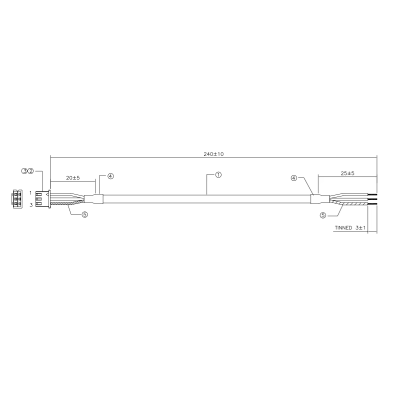
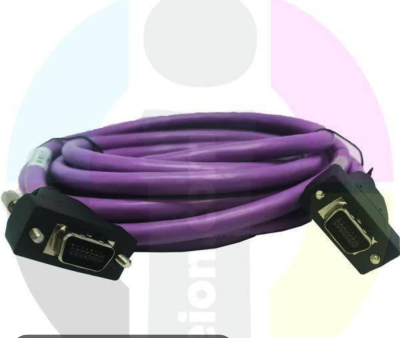
Pin Configuration Impact A critical question to pose your supplier is whether the cable's pin configuration—ranging from 4 to 80 pins—matches your technical requirements, as this directly affects installation compatibility and overall system performance.