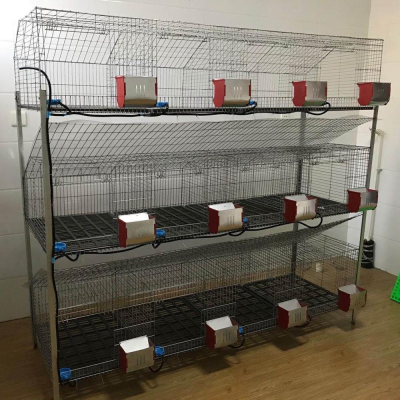
cages Sourcing Overview

Target Group:
VeterinaryParrotFinchBudgieParakeetCockatielPigeonLove BirdsBirdCatDogRabbitChickenSquirrelHamsterGuinea PigPigQuail
Product Type:
Veterinary Modular CagesDog CagesVet Cage BankDog KennelVeterinary CagesStainless Steel Vet CagesCombination CagesPet CageBird CageMetal CageChicken CagePoultry EquipmentBattery CageLayer CagePigeon CageBreeding Bird CagePlastic Transport Bird CagesRabbit CageCommercial CageBreeding Cage
Capacity:
9 Rabbits12 Rabbits18 Rabbits24 Rabbits10-15 Chickens48-160 Birds120 Birds180 Birds240 Birds300 Birds
Type:
FeedingCleaningBreedingHeat PreservationTrapWire MeshMetal Storage Cage
Color:
GreyWhiteSilver
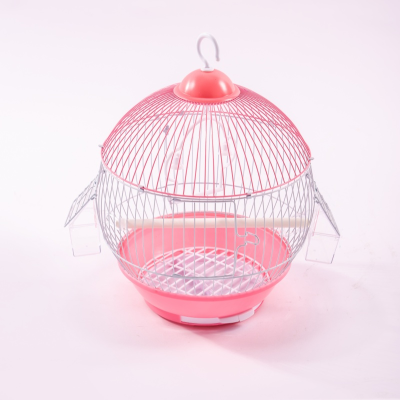
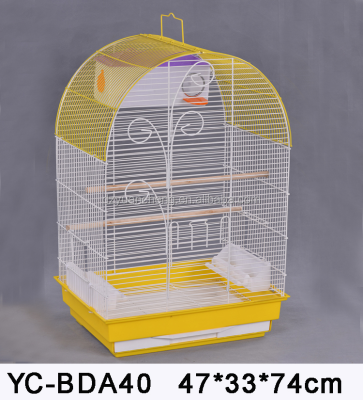
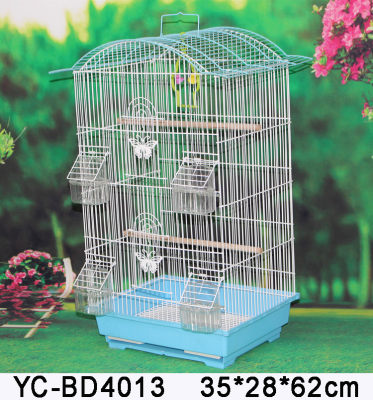
  • Avoiding Mismatched Cage Types Purchasing cages without aligning the product type to the target animal often results in inadequate housing; for instance, veterinary modular cages suit clinical needs, while metal or plastic transport bird cages cater to specific bird species like finches or parrots.

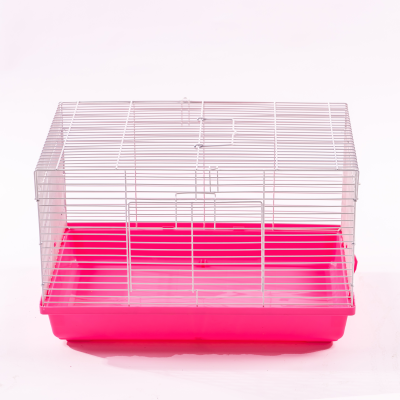
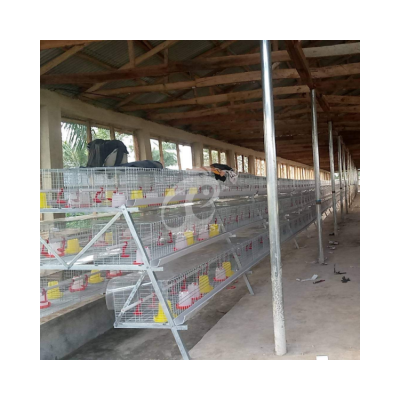
  • Specify Capacity Requirements Clearly Negotiate exact cage capacities upfront, as options range from small units for 9 rabbits to large-scale setups accommodating up to 300 birds, ensuring you neither overspend on excess space nor compromise animal welfare.

  • Industry Norms on Cage Functionality In practice, suppliers commonly differentiate cages by their primary function—feeding, breeding, heat preservation, or cleaning—which dictates design features and material choice, such as wire mesh for ventilation or metal for durability.

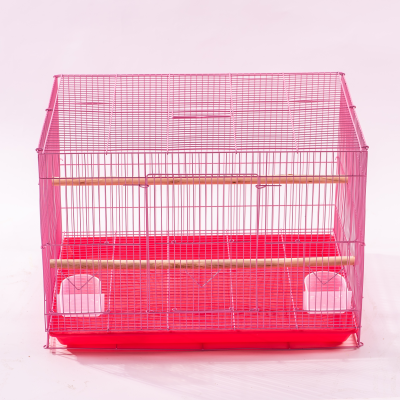
  • Color Selection and Cost Implications Choosing cage colors like grey, white, or silver can influence both aesthetics and pricing; while neutral tones are standard, custom colors might increase costs without adding functional value.

No results

No suppliers match the current filters

Frequently Asked Questions