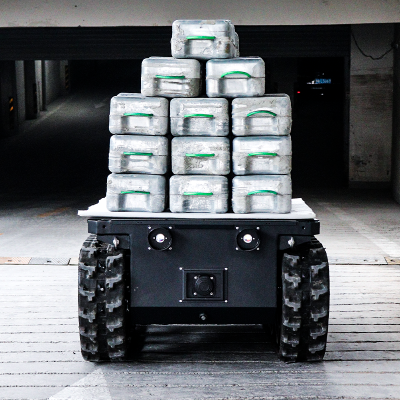
carrier Sourcing Overview
-
Beware of Mismatched Carrier Types Selecting the wrong product type, such as confusing a personnel carrier with a heavy-duty dump carrier, often leads to operational inefficiencies and safety risks; align the carrier type precisely with your intended application, whether it’s underground transport or crane operations.
-
Negotiate Load Capacity to Match Operational Demands Insist on clarifying load capacity requirements upfront, ranging from 0.8 tons for light-duty tasks up to 300 tons for heavy industrial use, to avoid costly over-specification or underperformance in your fleet.
-
Insider Insight on Certification Standards In practice, most reputable suppliers will offer carriers certified under CE, ISO, and EPA standards, but depending on your market, securing additional certifications like FDA or DOT can be critical for compliance and acceptance.
-
Material and Speed Choices Affect Total Cost of Ownership The selection between heavy-duty steel, stainless steel, or specialized materials like optical glass combined with speed ranges from 0-2 km/h adjustable to 12 km/h directly impacts maintenance costs and operational efficiency, so weigh these factors carefully against your budget and usage scenarios.