Laiwu Manhing Vegetables Fruits Corporation
Lead Time 15 DaysLow MOQ 1 TonsAverage Response 6-24h2 ReviewsEstablished 10 Years+


Main Products:Ginger, Sushi Ginger
Address:Laiwu,Shandong,China
Export Year:2006-11-13


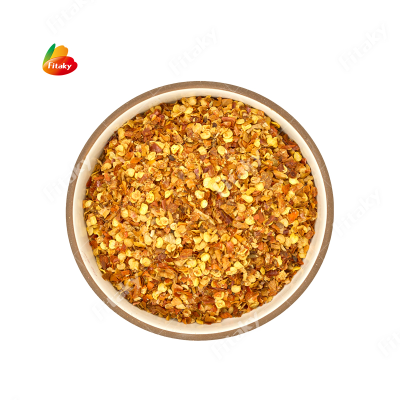
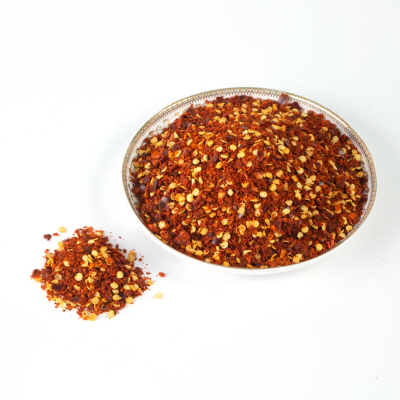
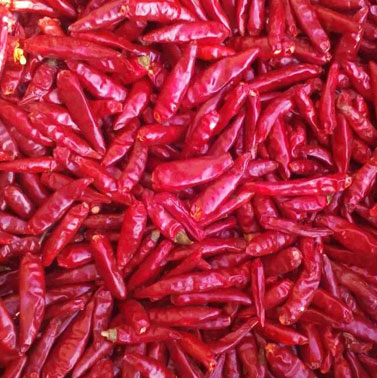
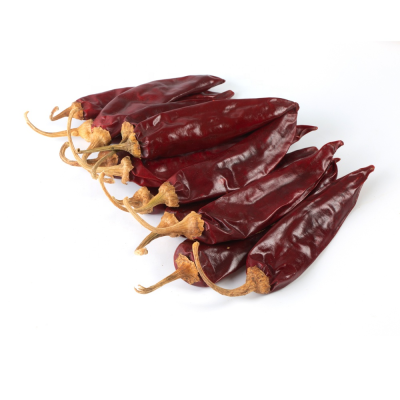
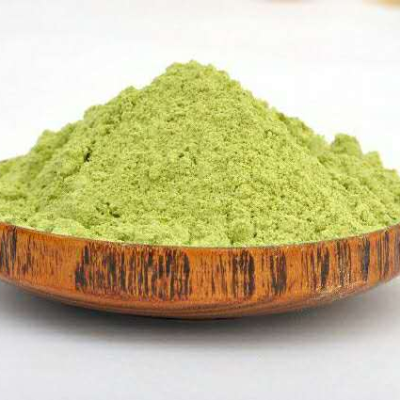
Diverse Product Forms and Material Selection A common mistake is overlooking the variety in product types and materials—from fresh and dehydrated to powders and pastes—each demanding different storage and handling; specifying the exact form and material such as dried chilli pods or paprika powder is crucial to meet your end-use requirements.
Pungency Level Specification Insist on clear pungency ratings, as the Scoville Heat Units (SHU) range widely from 2,000 up to above 50,000 SHU, directly influencing flavor intensity and customer acceptance; precise heat level selection ensures product consistency and market fit.
Certification Compliance as a Market Norm In practice, most reputable suppliers provide certifications like HACCP, FDA, ISO, or EU standards, which serve as a baseline for food safety and quality assurance; targeting these certifications reduces risk and facilitates smoother import and regulatory approval.
Shelf Life and Storage Conditions Impact on Cost Shelf life, often between 12 to 24 months under cool and dry conditions, can account for up to 20% of total inventory cost due to spoilage risk and storage needs; choosing products with longer shelf life and suitable storage recommendations optimizes inventory turnover and reduces waste.